
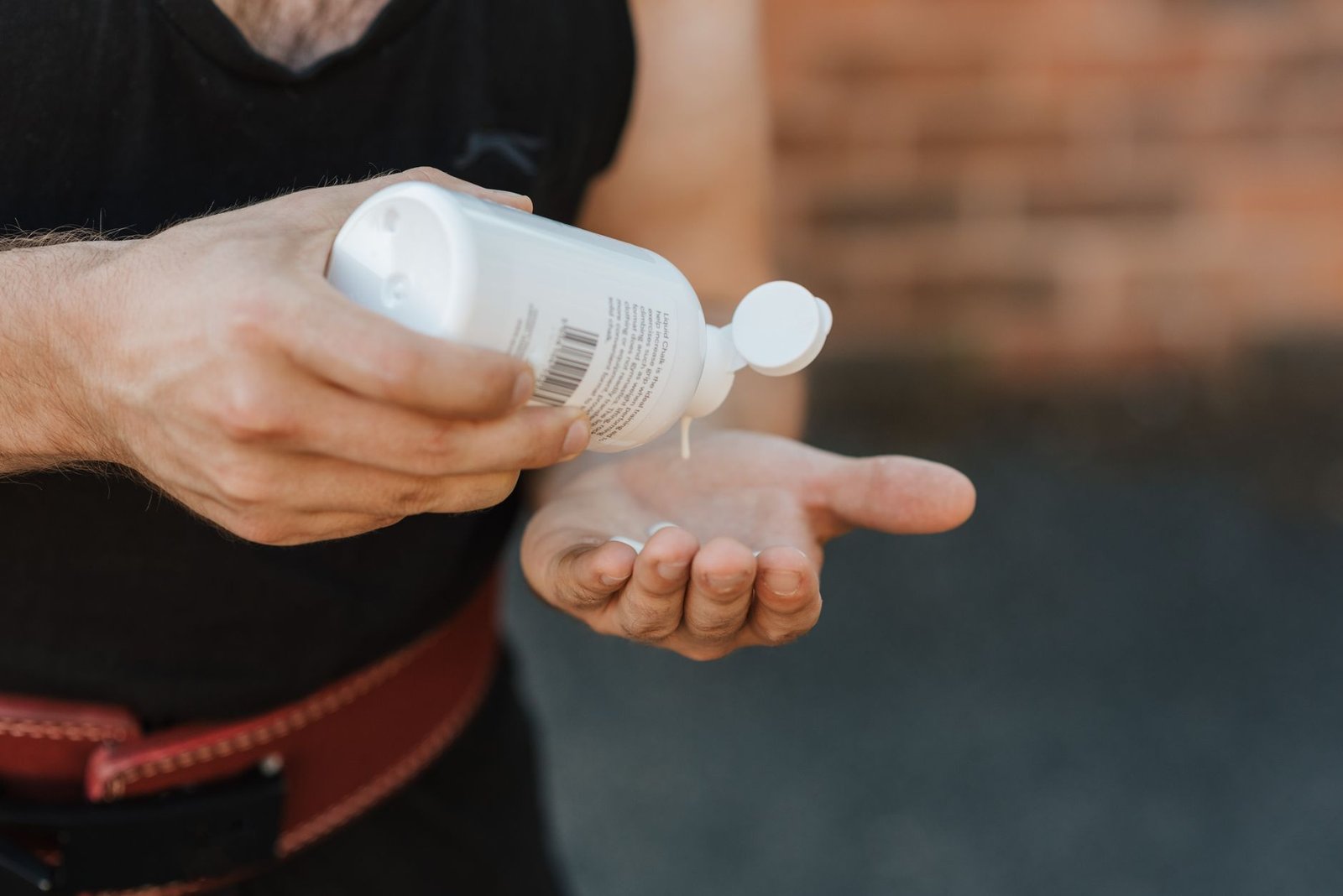
Introduction: Understanding Liquid Chalk for Gym Climbing
The world of climbing, especially bouldering and sport climbing in gyms, has seen an exponential rise in popularity across India. As more enthusiasts discover the thrill of scaling walls, the demand for effective grip enhancement solutions grows. Among these, **liquid chalk for gym climbing** has emerged as a game-changer, offering a cleaner, more efficient alternative to traditional block or loose chalk. This innovative product helps climbers maintain a superior grip, reducing slips and enhancing confidence on challenging routes.
Traditional chalk, typically magnesium carbonate in powder form, is effective but often creates a dusty environment in indoor climbing gyms, leading to visibility issues and potential respiratory concerns for some. Liquid chalk, on the other hand, is a blend of magnesium carbonate, alcohol, and sometimes drying agents, which evaporates quickly upon application, leaving a thin, even layer of chalk on the hands. This quick-drying formula not only minimizes airborne dust but also provides a durable, long-lasting coating that adheres better to the skin. For Indian climbers navigating the humid conditions common in many parts of the country, or simply seeking a more hygienic option, understanding the nuances of **liquid chalk gym climbing hand** products is crucial for making an informed choice. This comprehensive guide will delve into everything you need to know about liquid chalk, helping you compare options and elevate your climbing performance.
Why Choose Liquid Chalk for Gym Climbing? Benefits & Drawbacks
Making the switch to liquid chalk isn’t just a trend; it’s a strategic decision for many serious climbers. Its unique formulation offers a distinct set of advantages, particularly within the indoor gym environment. However, like any product, it also comes with its own considerations. Understanding these can help you decide if **liquid chalk for gym climbing** is the right fit for your routine.
The Undeniable Benefits of Liquid Chalk
Liquid chalk stands out for several compelling reasons, directly addressing common pain points associated with traditional chalk.
* **Superior Grip and Durability:** The alcohol base in liquid chalk helps to thoroughly clean and dry the skin, removing oils and sweat before depositing a fine, even layer of magnesium carbonate. This results in a stronger, more consistent grip that often lasts longer than a single application of traditional chalk. Climbers frequently report fewer re-chalking breaks, allowing for more sustained focus on the route.
* **Reduced Dust and Mess:** This is perhaps the most celebrated benefit, especially in indoor settings. As the alcohol evaporates, the chalk adheres firmly to the hands, significantly reducing airborne dust. This creates a cleaner gym environment, benefits those with allergies or respiratory sensitivities, and keeps your gear and clothes less chalky. Many gyms, particularly in metropolitan areas like Bengaluru, Delhi, or Mumbai, are even encouraging or mandating the use of liquid chalk to maintain air quality.
* **Enhanced Hygiene:** The alcohol content acts as a disinfectant, killing bacteria and germs on the hands. This is a significant advantage in communal spaces like climbing gyms, where equipment is shared and touch points are numerous. Using liquid chalk can contribute to better personal and communal hygiene, a factor increasingly valued by health-conscious athletes.
* **Economic in the Long Run:** While the initial cost per bottle might seem higher than a block of chalk, the efficiency and longevity of each application often mean you use less product over time. A small amount of liquid chalk can provide a reliable grip for multiple climbs, making it a cost-effective choice for regular climbers.
* **Portability and Convenience:** Most liquid chalk comes in compact, spill-proof bottles, making it easy to carry in your gym bag without worrying about messy leaks. A quick squeeze, rub, and dry, and you’re ready to climb – no need to fumble with a chalk bag mid-route if you’ve applied it well beforehand.
Potential Drawbacks and Considerations
Despite its many benefits, liquid chalk isn’t without its minor downsides, which are important to acknowledge.
* **Drying Time:** After application, liquid chalk requires a few seconds to dry completely. While generally quick, this waiting period might be a minor inconvenience for some, especially if they’re used to the instant gratification of powder chalk. Climbers in a hurry might find themselves shaking their hands vigorously to speed up the process.
* **Skin Dryness:** The alcohol in liquid chalk, while excellent for drying hands quickly, can also lead to excessive skin dryness or cracking for some individuals, especially with frequent use. This is a particular concern for those with naturally dry or sensitive skin. It’s crucial to balance its use with proper hand care, like moisturizing after climbing.
* **Cost per Unit:** While potentially more economical in the long run, the upfront cost of a bottle of liquid chalk in INR can be higher than a traditional chalk block. For casual climbers, this might seem like a barrier. However, when considering the performance and cleanliness benefits, the value proposition often tips in favour of liquid chalk.
* **Less Tactile Feedback:** Some climbers prefer the feel of dipping their hands into a chalk bag and applying loose chalk, finding it more satisfying or providing a specific tactile feedback they’re used to. Liquid chalk offers a different sensation, which might take some getting used to.
By weighing these pros and cons, especially in the context of your personal climbing style and the specific environment of Indian climbing gyms, you can make an informed decision about integrating **liquid chalk gym climbing hand** products into your routine.
Key Features to Consider When Buying Liquid Chalk in India
When you’re ready to invest in **liquid chalk for gym climbing**, the market offers a variety of options. Navigating these choices requires understanding the key features that differentiate products and impact their performance. For the Indian consumer, considerations like availability, price point, and suitability for local conditions are paramount.
Alcohol Content and Drying Speed
The primary solvent in liquid chalk is alcohol, typically isopropyl alcohol or ethanol. This ingredient serves multiple purposes: it helps suspend the magnesium carbonate, disinfects your hands, and most importantly, facilitates rapid drying.
* **Higher Alcohol Content:** Generally leads to faster drying times, which is convenient for quick applications between climbs. It also tends to be more effective at stripping oils and sweat from the skin, resulting in a drier, grippier surface. However, products with very high alcohol content can be more aggressive on the skin, potentially leading to excessive dryness or irritation with frequent use.
* **Lower Alcohol Content:** May take slightly longer to dry but can be gentler on the skin. These formulations might be preferred by climbers with sensitive skin or those who find higher alcohol options too harsh.
* **Consideration for India:** In humid Indian climates, faster-drying liquid chalk with a good alcohol content can be particularly beneficial, as it helps counteract the natural moisture on hands and in the air more effectively.
Magnesium Carbonate Purity and Texture
The effectiveness of any chalk product boils down to its active ingredient: magnesium carbonate. Its purity and how finely it’s ground play a significant role in grip quality.
* **Purity:** High-purity magnesium carbonate provides superior friction and sweat absorption. Look for products that boast high-grade or pharmaceutical-grade magnesium carbonate. Impurities can reduce friction and leave a less effective coating.
* **Texture/Consistency:** Liquid chalk can vary in consistency, from a thinner, more watery solution to a thicker, paste-like gel.
* **Thinner Consistencies:** Tend to spread easily and dry quickly, leaving a very fine, even layer.
* **Thicker Consistencies:** Might require a bit more rubbing to spread but can leave a more substantial coating, which some climbers prefer for a “stickier” feel. The ideal texture is often a matter of personal preference.
Packaging and Bottle Size for Indian Climbers
Practicality and value are crucial for Indian consumers. The packaging of your liquid chalk can impact both.
* **Bottle Design:** Look for sturdy, leak-proof bottles with a secure cap. A good dispenser, whether a flip-top or screw-cap, ensures easy application without wastage. Bottles that are easy to squeeze are also a plus.
* **Size and Portability:** Liquid chalk typically comes in various sizes, from small, travel-friendly bottles (50ml-100ml) to larger, more economical options (200ml-250ml).
* **Smaller Bottles:** Ideal for carrying in a small gym bag or even clipping to your harness. They are convenient for quick touch-ups.
* **Larger Bottles:** Offer better value for money in INR per ml and are suitable for regular climbers who go through a lot of chalk. You might consider purchasing a larger bottle and refilling a smaller, more portable one.
* **Availability:** Check if your preferred brand and size are readily available online (e.g., Amazon India, Decathlon) or at local climbing gyms/sports stores in major Indian cities.
Additional Drying Agents and Skin Conditioners
Some liquid chalk formulations include additional ingredients designed to enhance performance or mitigate the drying effects of alcohol.
* **Drying Agents:** Ingredients like silica or rosin can be added to further boost friction and moisture absorption. Rosin, in particular, can provide an almost “sticky” feel, which some climbers love, but it can also leave residue on holds and is banned in some competitions or gyms. Always check gym rules if using rosin-based chalk.
* **Skin Conditioners:** To counteract the drying effects of alcohol, some brands include skin-friendly ingredients like aloe vera, essential oils, or humectants. These can help maintain skin health, reducing the risk of cracks and excessive dryness, making them a good option for climbers with sensitive skin or those who climb frequently. GameOnGlow, for instance, focuses on holistic wellness, and if they were to offer a liquid chalk, it would likely prioritize skin health alongside grip performance.
By carefully evaluating these features, you can select a **liquid chalk gym climbing hand** product that not only meets your performance needs but also suits your skin type and budget, ensuring a more enjoyable and effective climbing experience in India.
Comparing Top Liquid Chalk Brands Available in India
The Indian market for climbing gear, while growing, often sees a mix of international brands and a few emerging local options. When it comes to **liquid chalk for gym climbing**, most high-quality products available are from well-established global brands, often imported or distributed by local retailers. This section will help you compare some of the prominent choices you’re likely to find, focusing on their typical characteristics and suitability for Indian climbers.
Understanding the Market Landscape in India
Unlike some other sports accessories, dedicated Indian brands for liquid chalk are still somewhat rare. Most climbers in India rely on international brands that have established distribution channels through online retailers like Amazon India, Decathlon, or specialized climbing stores in cities like Delhi, Mumbai, Bengaluru, and Pune. This means pricing will largely be influenced by import duties and brand positioning.
Prominent International Brands and Their Offerings
Let’s look at some of the leading brands and what they typically offer in their liquid chalk formulations:
-
Black Diamond Liquid White Gold:
- Reputation: A highly respected brand in the climbing world, known for quality gear.
- Features: Often praised for its fast-drying formula and excellent coverage. It typically uses high-purity magnesium carbonate. Climbers often find it provides a very reliable, long-lasting base layer.
- Consistency: Tends to be on the thinner side, spreading easily and drying quickly.
- Pros for India: Its fast-drying nature is excellent for humid conditions. Widely available online.
- Cons for India: Can be on the pricier side (often ₹800-₹1500 for a medium bottle, depending on retailer and size). Might be too drying for some skin types with prolonged use.
-
Petzl Power Liquid:
- Reputation: Another titan in climbing and mountaineering equipment.
- Features: Petzl’s liquid chalk is formulated for optimal grip and reduced dust. It’s often lauded for its balance between drying power and skin friendliness.
- Consistency: Typically a medium consistency, easy to apply and spread evenly.
- Pros for India: Reliable performance, good balance for varied skin types. Generally available through specialized retailers and online.
- Cons for India: Similar to Black Diamond, it can be a premium-priced product (₹750-₹1400).
-
Mammut Liquid Chalk:
- Reputation: A Swiss brand known for its high-quality outdoor gear.
- Features: Mammut’s liquid chalk is designed for a strong grip and minimal dust. It’s often formulated to be durable and long-lasting.
- Consistency: Varies slightly by specific product line, but generally offers good coverage.
- Pros for India: Strong brand reputation, good performance.
- Cons for India: Availability might be slightly less consistent than Black Diamond or Petzl, and pricing can be similar or higher.
-
FrictionLabs Secret Stuff:
- Reputation: A premium chalk brand that focuses heavily on the quality and purity of its magnesium carbonate.
- Features: FrictionLabs is famous for its high-purity chalk, claiming superior performance. Their Secret Stuff is a liquid base layer that provides exceptional grip. It’s often touted for its fine texture once dry.
- Consistency: Usually a smooth, slightly thicker consistency that spreads well.
- Pros for India: Excellent grip, highly recommended by professional climbers.
- Cons for India: This is often the most expensive option (₹1200-₹2000+), and availability can be more sporadic as it’s a niche, high-end product. Might be overkill for beginners.
-
Generic/Budget-Friendly Options:
- Reputation: Several smaller brands or white-label products are available on Indian e-commerce platforms.
- Features: These products aim to offer a more affordable entry point into liquid chalk. Quality can vary significantly. Some might have a higher alcohol content, while others might use lower-grade magnesium carbonate.
- Consistency: Highly variable, from very thin to overly thick.
- Pros for India: Significantly more affordable (often ₹300-₹700). Accessible for beginners or those on a tight budget.
- Cons for India: Inconsistent quality, less reliable performance, potential for skin irritation due to undisclosed ingredients or lower purity. It’s crucial to read reviews carefully.
Making Your Decision: A Buying Guide for India
When comparing these options for your **liquid chalk gym climbing hand** needs in India, consider the following:
* **Your Budget:** Determine how much you’re willing to spend. While premium brands offer consistent quality, budget options can be a good starting point if you’re new to liquid chalk.
* **Frequency of Climbing:** If you climb multiple times a week, investing in a higher-quality, perhaps more skin-friendly option, will be beneficial in the long run.
* **Skin Sensitivity:** If you have sensitive skin, look for brands that explicitly mention skin conditioners or are known to be less harsh. Petzl and some formulations of Black Diamond might be a good starting point.
* **Availability:** Check current stock and pricing on major Indian online retailers or local climbing stores. Sometimes, a great brand might be out of stock, forcing you to consider alternatives.
* **Gym Rules:** Confirm if your local climbing gym has any specific rules regarding chalk types (e.g., some ban rosin-based chalk).
Remember, the “best” liquid chalk is ultimately subjective and depends on your individual preferences and needs. It might be worthwhile to try a smaller bottle from a couple of different brands to see what works best for your grip and skin.
How to Apply and Maximize Your Liquid Chalk Performance
Proper application of **liquid chalk for gym climbing** is key to unlocking its full potential. It’s not just about squeezing it onto your hands; a thoughtful approach can significantly enhance your grip, reduce re-chalking, and prolong skin health.
The Optimal Application Technique
Follow these steps for the best results:
1. **Start with Clean, Dry Hands:** Before applying, ensure your hands are clean and free from any lotions, oils, or excessive sweat. A quick wash and thorough drying are ideal. This allows the chalk to adhere directly to your skin for maximum effectiveness.
2. **Dispense a Small Amount:** Squeeze a pea-sized to dime-sized amount of liquid chalk into the palm of one hand. Remember, a little goes a long way. Over-applying can lead to a thick, patchy layer that might peel off or feel uncomfortable.
3. **Spread Evenly:** Rub your hands together vigorously, ensuring the liquid chalk covers all surfaces – palms, fingers (front and back), and between your fingers. Pay special attention to the areas that make primary contact with holds.
4. **Allow to Dry Completely:** This is the most crucial step. Continue rubbing your hands together or simply air-dry them for 10-20 seconds until the alcohol evaporates and your hands are completely dry and coated in a fine, white layer. You should feel a distinct, dry, grippy sensation. Avoid touching holds before it’s fully dry, as this can transfer wet chalk and make holds slippery.
5. **Assess and Reapply (if necessary):** Once dry, visually inspect your hands. If there are any bare spots or if you feel your grip isn’t optimal, apply a tiny additional amount to those specific areas and dry again.
Maximizing Grip and Longevity on the Wall
Beyond initial application, several strategies can help you get the most out of your **liquid chalk gym climbing hand** product.
* **Layering with Powder Chalk (Optional):** Many advanced climbers use liquid chalk as a base layer and then supplement with a light dusting of traditional powder chalk from a chalk bag during longer routes or between attempts. The liquid chalk provides a solid, long-lasting foundation, while the powder chalk offers quick, on-the-go moisture absorption. This can be particularly effective in very humid conditions in India.
* **Strategic Re-Chalking:** With liquid chalk, you won’t need to re-chalk as frequently as with powder chalk. Pay attention to your grip. Re-chalk only when you feel your hands becoming clammy or losing their friction. A quick re-application of a tiny amount of liquid chalk, focusing on sweaty spots, can revive your grip.
* **Focus on Technique, Not Just Chalk:** While liquid chalk significantly enhances grip, it’s not a substitute for proper climbing technique. Focus on precise footwork, body positioning, and efficient movement to conserve energy and reduce reliance on brute grip strength. GameOnGlow always advocates for holistic fitness, where proper technique and conditioning complement grip aids.
* **Maintain Skin Health:** Frequent use of alcohol-based liquid chalk can dry out your skin. To prevent cracks and maintain healthy skin for climbing:
* **Moisturize Regularly:** Apply a good climbing-specific hand balm or a rich moisturizer after your climbing session and before bed.
* **File Calluses:** Keep calluses trimmed and smooth to prevent them from tearing.
* **Rest:** Give your skin time to recover between intense climbing sessions.
Troubleshooting Common Issues
* **Hands Still Feel Slippery After Application:** This usually means you haven’t waited long enough for the chalk to dry completely, or you applied too much, creating a thick, clumpy layer. Ensure thorough drying and use less product next time.
* **Skin Feels Too Dry/Cracked:** Consider switching to a liquid chalk with skin conditioners, or alternate between liquid and less-drying powder chalk. Intensify your moisturizing routine.
* **Chalk Rubs Off Too Quickly:** Ensure your hands were perfectly clean and dry before the initial application. Some liquid chalks simply have better adherence than others; you might need to try a different brand.
By mastering these application techniques and maintenance tips, you’ll not only maximize the performance of your **liquid chalk gym climbing hand** product but also contribute to a more enjoyable and injury-free climbing journey.
Beyond Liquid Chalk: Holistic Grip Enhancement and Hand Care
While **liquid chalk for gym climbing** is an excellent tool for immediate grip enhancement, a truly effective approach to climbing performance and longevity involves more than just a single product. A holistic strategy encompassing overall fitness, specific grip training, and diligent hand care is crucial for any serious climber in India.
Integrating Grip Training into Your Routine
A strong grip isn’t solely dependent on chalk; it’s built through consistent training. Incorporating targeted grip exercises can significantly improve your ability to hold onto challenging routes, making your liquid chalk even more effective.
* **Fingerboard Training:** A staple for advanced climbers, fingerboards (or hangboards) allow you to train specific finger strengths and grip positions. Start with short, controlled hangs and gradually increase intensity.
* **Campus Board Training:** For more dynamic grip strength and power, campus boards involve moving between rungs without using your feet. This builds explosive finger and arm strength.
* **Pinch Blocks and Grippers:** These tools can help develop pinch strength, which is vital for certain types of holds. Hand grippers are portable and can be used anywhere, making them a convenient option for Indian climbers on the go.
* **General Strength Training:** A strong core, back, and shoulders contribute indirectly but significantly to grip endurance and power by allowing you to maintain better body tension and position on the wall, reducing the strain on your fingers. GameOnGlow offers a range of fitness accessories that can support these broader strength training goals.
Essential Hand Care for Climbers
The rigorous demands of climbing, coupled with the drying effects of **liquid chalk gym climbing hand** products, can take a toll on your skin. Proactive hand care is non-negotiable for preventing injuries and ensuring you can climb consistently.
* **Moisturize Religiously:** This is paramount. Use a high-quality, non-greasy hand balm or moisturizer specifically formulated for climbers. Apply it after every climbing session and before bed. Ingredients like shea butter, beeswax, and essential oils are excellent for skin repair and hydration.
* **Manage Calluses:** Calluses are a natural adaptation to climbing, but overgrown or uneven calluses can rip, leading to painful flappers. Gently file down thick calluses with a fine-grit sandpaper or a callus file to keep them smooth and even.
* **Treat Flappers and Splits Promptly:** If you do get a flapper (a torn piece of skin), trim the loose skin with clean nail clippers, clean the wound, and cover it with athletic tape or a bandage to protect it as it heals. For splits in fingertips, use super glue (climbing specific or medical grade) to seal the crack, allowing you to continue climbing with minimal discomfort.
* **Rest and Recovery:** Just like muscles, your skin needs time to repair itself. Schedule rest days for your hands, especially after intense climbing sessions. This allows your skin to regenerate and heal, preventing chronic dryness or injury.
Considering Alternatives or Supplements to Liquid Chalk
While liquid chalk is highly effective, it’s worth knowing about other grip aids that can complement or serve as alternatives in specific situations.
* **Traditional Block/Loose Chalk:** Still popular, especially for outdoor climbing or for those who prefer the tactile sensation. It’s often used in conjunction with liquid chalk as a top-up.
* **Chalk Balls:** A less dusty alternative to loose chalk, these are mesh bags filled with powdered chalk. They offer a good balance between mess reduction and traditional feel.
* **Tape:** Climbing tape is invaluable for protecting tendons, supporting joints, and covering minor cuts or flappers. Learning basic taping techniques can save a climbing session.
* **Antiperspirants:** For individuals with excessively sweaty hands (hyperhidrosis), specialized climbing antiperspirants can be applied hours before climbing to reduce sweat production at the source. These are different from chalk and work on a physiological level.
By embracing a comprehensive approach that includes targeted grip training, diligent hand care, and an understanding of various grip aids, you can optimize your climbing performance and ensure the longevity of your passion. GameOnGlow believes in empowering athletes with not just products, but also the knowledge to excel safely and sustainably in their chosen sport.
FAQs About Liquid Chalk for Gym Climbing
Is liquid chalk truly better than traditional powder chalk for gym climbing?
For gym climbing, **liquid chalk** often offers significant advantages over traditional powder chalk. It provides a superior, longer-lasting base grip by cleaning and drying the skin more effectively. Crucially, it dramatically reduces airborne dust, creating a cleaner and healthier environment for all climbers and staff. Many gyms in India are now preferring or even mandating liquid chalk for these reasons. While traditional chalk has its place, especially outdoors, liquid chalk often wins for indoor performance and hygiene.
How long does a single application of liquid chalk last during a climbing session?
The longevity of a single application of **liquid chalk for gym climbing** can vary based on several factors: the specific brand, your personal sweat rate, the humidity in the gym (common in many Indian cities), and the intensity of your climbing. Generally, a good application can last for several climbs or even an entire bouldering session without needing a full reapplication. Many climbers find they only need to re-chalk once or twice during a 1-2 hour session, often just a quick dab on particularly sweaty areas.
Does liquid chalk dry out my hands more than regular chalk?
Yes, **liquid chalk gym climbing hand** products typically contain a high percentage of alcohol, which is excellent for drying hands quickly and stripping oils. However, this also means it can be more drying to the skin over time compared to traditional, non-alcohol-based chalk. To counteract this, it’s highly recommended to moisturize your hands thoroughly after every climbing session. Some liquid chalk brands also include skin conditioners like aloe vera to mitigate this effect.
Can I use liquid chalk for other sports besides climbing, like weightlifting or gymnastics?
Absolutely! While primarily marketed for climbing, **liquid chalk** is an excellent grip enhancer for a variety of other sports and activities where a secure grip is essential. Many weightlifters and powerlifters use it for deadlifts, pull-ups, and other exercises to prevent slippage. Gymnasts, strongman athletes, and even badminton or tennis players (on their racket handles) can benefit from its superior, mess-free grip. Always check specific competition rules if you’re using it in a competitive setting, but for general training, it’s a versatile choice.
Is it safe to use liquid chalk if I have sensitive skin or allergies?
If you have sensitive skin or allergies, it’s important to approach **liquid chalk for gym climbing** with caution. The alcohol content can be irritating for some, and certain additives (like rosin or fragrances) might trigger reactions. It’s best to:
1. **Check ingredients:** Look for products with fewer additives or those that specifically state they are hypoallergenic or contain skin conditioners.
2. **Patch test:** Apply a small amount to a discrete area of skin (e.g., back of your hand) and wait 24 hours to check for any adverse reactions.
3. **Opt for gentler formulas:** Some brands offer formulations that are less aggressive on the skin.
4. **Prioritize moisturizing:** Regardless of the product, consistent hand care and moisturizing are crucial for sensitive skin. If irritation persists, consult a dermatologist.
Where can I buy good quality liquid chalk in India?
You can find good quality **liquid chalk gym climbing hand** products from various sources in India. Major online retailers like Amazon India, Flipkart, and Decathlon are excellent starting points, often stocking international brands like Black Diamond, Petzl, and Mammut. Specialized climbing gear stores in cities with active climbing communities (e.g., Bengaluru, Delhi, Mumbai, Pune) will also carry a selection. Additionally, many modern indoor climbing gyms themselves sell liquid chalk at their reception desks. Always compare prices and read reviews before making a purchase.
Conclusion: Final Thoughts on Liquid Chalk for Gym Climbing
Choosing the right grip aid is a personal decision, but for the modern Indian climber navigating the vibrant and growing indoor climbing scene, **liquid chalk for gym climbing** presents a compelling option. Its ability to provide superior, long-lasting grip while significantly reducing mess and enhancing hygiene makes it an invaluable tool for performance and gym etiquette alike. From the bustling bouldering gyms of Bengaluru to the sport climbing walls of Delhi, liquid chalk is proving to be a game-changer.
We’ve explored the benefits, delved into the critical features to consider – from alcohol content to purity and packaging tailored for the Indian market – and compared prominent brands to help you make an informed choice. Remember, optimal performance isn’t just about the product; it’s about proper application, consistent hand care, and a holistic approach to your training. By understanding how to select, use, and maintain your grip with **liquid chalk gym climbing hand** products, you can elevate your climbing experience, push your limits, and enjoy cleaner, more confident ascents. GameOnGlow is committed to supporting your athletic journey with insightful information and quality products that empower you to perform your best, safely and effectively. Embrace the power of liquid chalk and climb on!