
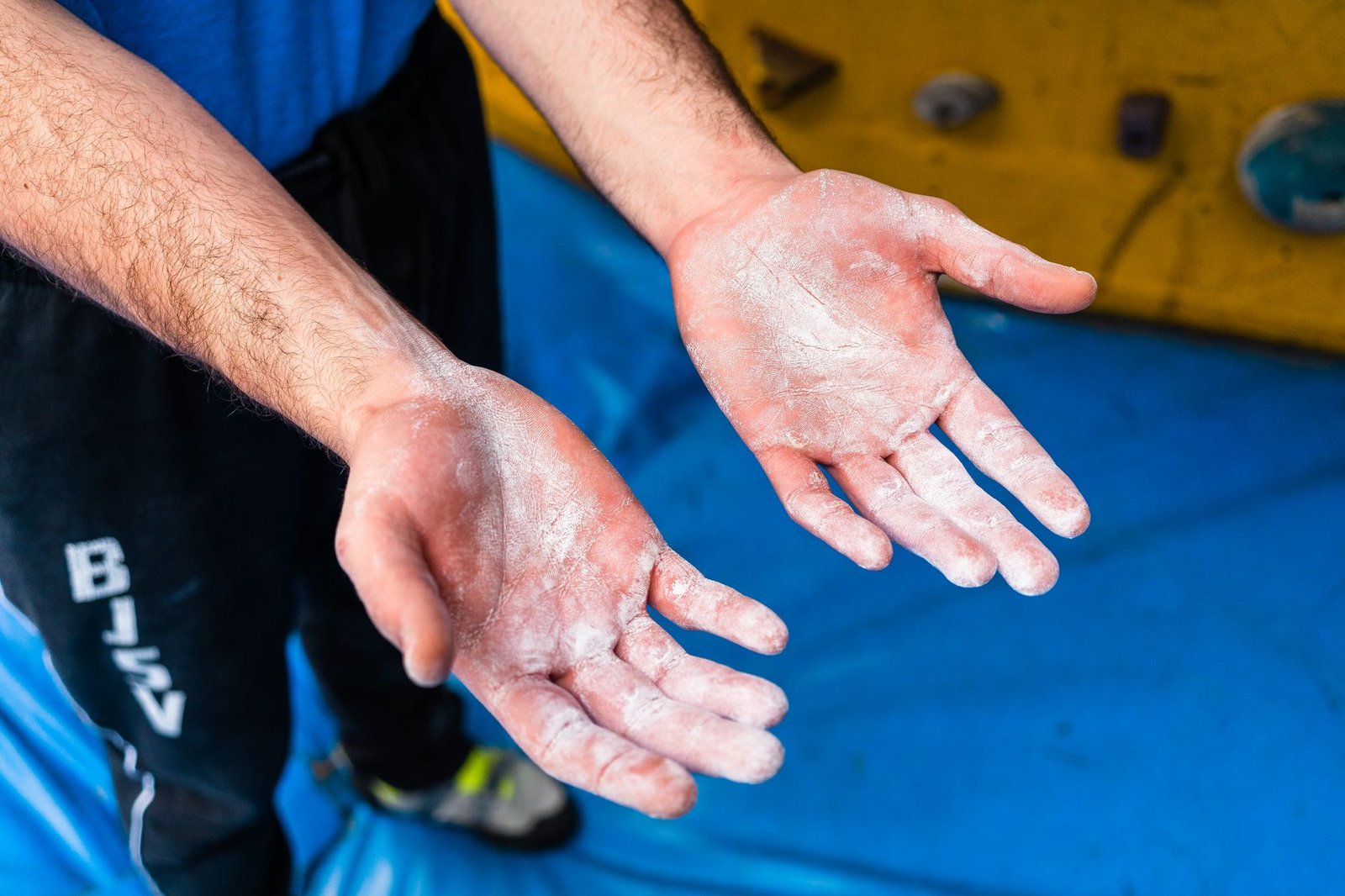
Introduction: Understanding Liquid Chalk for Gym Climbing Hands
The exhilarating world of gym climbing has captivated fitness enthusiasts across India, from the bustling metros of Mumbai to the serene landscapes near Manali. As more and more Mumbaikars, Delhiites, and Bangaloreans discover the thrill of scaling artificial walls, the demand for effective grip enhancement solutions has surged. Among these, liquid chalk for gym climbing hands has emerged as a game-changer. This innovative product offers a superior, long-lasting grip, significantly reducing the chances of slips and falls, thereby boosting confidence and performance on the wall. For beginners and seasoned climbers alike, understanding this essential tool is crucial for unlocking their full potential and ensuring a safer, more enjoyable climbing experience.
Traditional chalk, while effective, often comes with its own set of challenges, including dust, mess, and inconsistent application. Liquid chalk addresses many of these concerns, providing a cleaner, more efficient, and often more durable grip. This comprehensive guide from GameOnGlow aims to demystify liquid chalk, explaining what it is, why it’s becoming indispensable for gym climbing hands, how it works, and the myriad benefits it offers to the Indian climbing community. Whether you’re just starting your climbing journey or looking to refine your technique, delving into the world of liquid chalk will undoubtedly enhance your ascent.
We’ll explore its unique composition, compare it with traditional powder chalk, and provide practical tips for its application. Our goal is to equip you with all the knowledge needed to make an informed decision and elevate your climbing game. Get ready to discover how this simple yet revolutionary product can transform your grip and, by extension, your entire climbing experience.
What Exactly is Liquid Chalk for Climbing?
At its core, liquid chalk is a specially formulated blend designed to improve grip by absorbing moisture and increasing friction between your hands and the climbing surface. Unlike the loose, powdery magnesium carbonate that climbers have traditionally used, liquid chalk comes in a viscous, cream-like form. It typically consists of high-purity magnesium carbonate suspended in an alcohol-based solution, often with other ingredients like binders or skin conditioners to enhance its performance and feel. When applied to the hands, the alcohol quickly evaporates, leaving behind a thin, even layer of magnesium carbonate that adheres much better to the skin than loose chalk.
This innovative delivery mechanism ensures that the chalk is distributed uniformly across the palms and fingers, providing consistent coverage where it’s needed most. The rapid drying time means climbers can apply it just before their climb and be ready to go in seconds, without the cloud of dust associated with traditional chalk bags. For the growing number of climbing enthusiasts in India, from the competitive bouldering scene in Bengaluru to the recreational walls in Pune, understanding the composition and function of liquid chalk is the first step towards a superior grip.
The Science Behind Its Quick-Drying Action
The magic of liquid chalk lies in its quick-drying properties, which are primarily attributed to its alcohol content. When you squeeze a small amount of liquid chalk onto your palm, you’ll notice its fluid consistency. As you spread it evenly over your hands, the alcohol rapidly begins to evaporate. This evaporation process is crucial: it not only carries away moisture from your skin but also leaves behind a dry, fine layer of magnesium carbonate. Magnesium carbonate, the active ingredient in all climbing chalks, is highly effective at absorbing sweat and reducing friction, which are the two main enemies of a good grip.
The alcohol acts as a solvent and a drying agent. It ensures that the magnesium carbonate particles are finely dispersed and adhere closely to the skin as it evaporates, rather than simply sitting on the surface. This creates a more durable and effective chalk layer compared to dipping your hands into a chalk bag. The quick evaporation means that within 10-20 seconds, your hands will feel completely dry and coated, ready to tackle even the most challenging routes. This scientific design is why many Indian climbers are making the switch, finding it a more reliable and less messy solution for their sports and wellness needs.
Liquid vs. Traditional Powder Chalk: A Comparison for Gym Climbing Hand Grip
While both liquid and traditional powder chalk serve the same fundamental purpose – to enhance grip – they achieve it through different means and come with distinct advantages and disadvantages, especially for gym climbing hands. Understanding these differences is key for Indian climbers to choose the best option for their personal preferences and gym environment.
- Application & Coverage: Liquid chalk provides a more even and thorough coating. A small amount spreads across the entire hand, ensuring consistent coverage. Powder chalk, while quick to apply, can be uneven, and requires frequent reapplication.
- Dust & Mess: This is where liquid chalk truly shines. It produces significantly less airborne dust, making gyms cleaner and more pleasant for everyone. Traditional chalk, conversely, creates a visible cloud of dust with every application, leading to messy floors and equipment, and potentially affecting air quality. Many modern climbing facilities in India, particularly those in urban areas, are now preferring or even mandating liquid chalk for this reason.
- Durability of Grip: Anecdotal evidence and user experience suggest that liquid chalk often provides a longer-lasting grip per application. The way it bonds to the skin means it doesn’t rub off as easily as loose powder, allowing climbers to focus on their moves rather than constantly re-chalking.
- Hygiene: In shared gym environments, liquid chalk can be more hygienic as it’s applied directly from a sealed bottle, reducing the risk of cross-contamination that can occur with shared chalk bags.
- Skin Health: Some climbers find traditional chalk to be more drying on their skin due to its constant exposure and abrasive nature. Liquid chalk, with its initial alcohol base, might feel drying momentarily, but the magnesium carbonate layer can sometimes be less irritating over extended periods for certain skin types.
- Cost: Per gram, liquid chalk might appear more expensive upfront. However, given its durability and less frequent reapplication, many climbers find it to be cost-effective in the long run, as less product is wasted. A 100ml bottle, priced around ₹400-₹800, can last for many sessions.
Ultimately, the choice depends on personal preference, the specific climbing environment, and the individual’s priorities regarding grip, cleanliness, and convenience. For a cleaner, more consistent, and often more durable grip, especially in indoor settings, liquid chalk is proving to be the preferred choice for many Indian climbers. Learn more about The Ultimate Guide to GameOnGlow Liquid Chalk Gym for Indian Fitness Enthusiasts
Why Liquid Chalk Matters for Your Gym Climbing Performance
For any climber, whether scaling a challenging boulder problem or working on a lead route, grip is paramount. It’s the fundamental connection between you and the rock (or plastic hold). Liquid chalk for gym climbing hands doesn’t just offer a slight improvement; it can significantly enhance your performance, confidence, and overall experience. The difference it makes extends beyond merely keeping your hands dry; it creates a psychological edge and a tangible physical advantage that can be the deciding factor between a successful send and a frustrating fall. Learn more about The Ultimate Guide to Liquid Chalk Gym for Indian Fitness Enthusiasts
The consistent, reliable grip provided by liquid chalk allows climbers to attempt more difficult moves, trust their hand placements more, and conserve energy that would otherwise be spent worrying about slipping. This translates into better technique, longer endurance, and ultimately, more satisfying climbing sessions. For the competitive Indian climbing scene, where margins are often razor-thin, such an advantage can be invaluable. Learn more about The Ultimate Guide to GameOnGlow Liquid Chalk Gym for Indian Fitness Enthusiasts
Beyond Grip: Hygiene and Environmental Benefits
The advantages of liquid chalk extend well beyond just improving your hold on the plastic. It offers significant benefits in terms of hygiene and environmental impact, making it a more responsible and considerate choice for the modern climbing gym, particularly in densely populated Indian cities where shared spaces are common.
- Cleaner Gym Environment: The most immediate and noticeable benefit is the drastic reduction in airborne dust. Traditional chalk creates a fine powder that settles on holds, equipment, and the floor, requiring constant cleaning. Liquid chalk minimizes this, leading to a much cleaner and more pleasant gym atmosphere for everyone. This is a huge plus for gym owners in India, who often face challenges maintaining cleanliness in high-traffic areas.
- Improved Air Quality: Less dust means fewer airborne particles. This is particularly beneficial for climbers and gym staff who may suffer from respiratory sensitivities or allergies. Better air quality contributes to a healthier environment for prolonged exposure, which is crucial in indoor sports facilities.
- Reduced Hold Contamination: With less loose chalk floating around, climbing holds stay cleaner for longer. This not only preserves the intended texture and difficulty of the holds but also reduces the frequency of deep cleaning required, which can be time-consuming and costly for gyms.
- Enhanced Hygiene for Climbers: Liquid chalk is applied directly from a personal bottle, eliminating the need to share a communal chalk bag. This reduces the transfer of germs and bacteria between climbers, a significant health advantage, especially in post-pandemic awareness.
- Environmental Consideration: While not entirely “eco-friendly” due to its alcohol content, the reduced waste and dust compared to traditional chalk contribute to a slightly smaller environmental footprint within the gym setting. Less chalk dust means less particulate matter that needs to be filtered or cleaned from the environment.
These multifaceted benefits make liquid chalk a compelling choice for any Indian climber who values not only their performance but also the health and quality of their climbing environment.
How to Effectively Use Liquid Chalk for Optimal Hand Grip
Using liquid chalk effectively is straightforward, but a few simple steps can ensure you get the most out of its grip-enhancing properties for your gym climbing hands. Proper application maximizes its benefits, leading to a more consistent and reliable hold throughout your climbing session. Remember, a little goes a long way, and over-application can sometimes be counterproductive, leading to a slick or overly thick layer.
- Shake Well: Before each use, give the bottle a good shake. This ensures that the magnesium carbonate particles are evenly distributed within the alcohol solution, preventing separation and ensuring consistent performance.
- Dispense a Small Amount: Squeeze a pea-sized to dime-sized amount (depending on hand size) into the palm of one hand. For most adults, an amount roughly the size of a ₹5 coin is sufficient. Start with less; you can always add more if needed.
- Spread Evenly: Rub your hands together vigorously, as if applying hand sanitizer. Ensure the liquid chalk covers all surfaces of your palms, fingers, and fingertips. Pay particular attention to the areas that make the most contact with holds.
- Allow to Dry Completely: This is the most crucial step. Keep rubbing your hands together or hold them open to the air until the alcohol completely evaporates and your hands feel perfectly dry and coated with a fine, white layer. This usually takes 10-20 seconds. Do not touch holds until your hands are fully dry, as wet chalk can be slippery.
- Reapply as Needed: The beauty of liquid chalk is its durability. You won’t need to reapply as frequently as with traditional chalk. Reapply when you feel your grip starting to diminish due to sweat or when attempting a particularly challenging sequence. Often, one application can last for several climbs or a significant portion of a bouldering session.
- Post-Climb Care: After your session, wash your hands thoroughly with soap and water to remove any remaining chalk. Consider using a good moisturizer to keep your skin hydrated and prevent excessive dryness, especially if you climb frequently.
By following these steps, Indian climbers can ensure they are maximizing the potential of liquid chalk, enjoying a superior and more reliable grip on every ascent.
The Myriad Benefits of Incorporating Liquid Chalk into Your Routine
Integrating liquid chalk into your regular gym climbing routine offers a spectrum of advantages that can significantly elevate your performance and overall experience. Beyond just enhancing grip, it addresses several common pain points associated with climbing, making it a preferred choice for many Indian athletes.
- Superior and Long-Lasting Grip: The primary benefit is an undeniably better grip. The alcohol base helps to thoroughly dry the hands, and the magnesium carbonate adheres more effectively to the skin, providing a consistent, tenacious hold that lasts longer than traditional chalk. This means less re-chalking and more focus on your climbing moves.
- Reduced Mess and Cleaner Gyms: As discussed, liquid chalk dramatically cuts down on airborne dust and chalk residue on the floor and equipment. This is a huge advantage for gym operators and a welcome relief for climbers who prefer a cleaner, healthier environment. No more white handprints on your clothes or gear!
- Improved Skin Health (for some): While the alcohol can be initially drying, the reduced need for constant reapplication and less abrasive contact with loose powder can actually be gentler on some climbers’ skin over time. It can help prevent excessive drying, cracking, and chafing that might occur with frequent use of traditional chalk.
- Cost-Effectiveness in the Long Run: Although the initial purchase price might be slightly higher than a block of traditional chalk, the efficiency and durability of liquid chalk mean you use less product per session. A single bottle can last for many climbing sessions, making it a more economical choice over time, especially for regular climbers in India.
- Gym-Friendly and Often Mandated: Many modern climbing gyms in India, particularly those focusing on bouldering and lead climbing, are increasingly recommending or even mandating the use of liquid chalk due to its cleanliness benefits. Using liquid chalk ensures you comply with gym rules and contribute to a better environment for everyone.
- Enhanced Focus and Flow: With a reliable grip that lasts, you spend less time worrying about slipping and less time constantly reaching for your chalk bag. This allows for greater concentration on technique, body positioning, and route reading, leading to a more fluid and enjoyable climbing experience.
- Hygienic for Shared Spaces: In a post-pandemic world, hygiene is paramount. Liquid chalk, being a personal application from a sealed container, reduces the risk of germ transfer compared to communal chalk bags, making it a safer option for shared gym environments.
- Versatility: While primarily discussed for gym climbing, liquid chalk is also excellent for other grip-intensive activities like weightlifting, gymnastics, and even some outdoor climbing scenarios where minimizing dust is crucial. GameOnGlow offers a range of grip enhancement products suitable for various sports.
These comprehensive benefits underscore why liquid chalk is fast becoming an indispensable tool for serious and recreational climbers alike across India, helping them achieve new heights with confidence and cleanliness.
Choosing the Right Liquid Chalk: What Indian Climbers Should Look For
With the increasing popularity of gym climbing in India, a variety of liquid chalk brands are now available in the market. Choosing the right one for your gym climbing hands can make a significant difference in your performance and comfort. Here’s what Indian climbers should consider when making their selection, ensuring they invest in a product that truly meets their needs.
Key Factors to Consider When Buying Liquid Chalk
- Consistency and Drying Time: Different brands offer varying consistencies, from thin and watery to thick and creamy. Experiment to find what you prefer. The drying time is also crucial; look for formulations that dry quickly (within 10-20 seconds) to avoid delays in your climbing.
- Grip Quality and Durability: The ultimate goal is a superior, long-lasting grip. Read reviews from other Indian climbers or try small samples if available. A good liquid chalk should provide a strong, dry grip that doesn’t wear off quickly, reducing the need for frequent reapplication.
- Skin Sensitivity: Some individuals have more sensitive skin. While most liquid chalks are formulated to be skin-friendly, some might contain additives that could cause irritation. If you have sensitive skin, look for products that are fragrance-free or hypoallergenic. Always test a small amount on your skin first.
- Ingredients: Primarily, you want high-quality magnesium carbonate. Some brands add rosin or other binders to enhance stickiness, which can be beneficial but might also leave more residue on holds. Others include skin conditioners to counteract the drying effect of alcohol. Understand what you’re putting on your hands.
- Price Point and Value: Liquid chalk prices in India can range from approximately ₹300 to ₹1000 for a 100ml bottle. Consider the value for money – a slightly more expensive product that lasts longer and performs better can be more economical in the long run. Don’t always go for the cheapest option; prioritize quality.
- Brand Reputation and Availability: Look for reputable brands that are widely available in India, either online or at local climbing gear stores. Brands like GameOnGlow are committed to providing high-quality sports and wellness products, including effective grip enhancement solutions that cater specifically to the needs of Indian athletes. Always choose a trusted source.
- Gym Acceptance: While most gyms prefer liquid chalk, it’s always good practice to check if a specific brand or type is permitted, especially if it contains additives that might leave excessive residue.
By carefully evaluating these factors, Indian climbers can confidently choose a liquid chalk that will significantly enhance their gym climbing performance and overall satisfaction.
FAQs About Liquid Chalk Gym Climbing Hand
Is liquid chalk allowed in all Indian climbing gyms?
While most modern climbing gyms in India, especially in major cities like Delhi, Bangalore, and Hyderabad, are increasingly encouraging or even mandating the use of liquid chalk due to its cleanliness benefits, it’s always best to check with your specific gym. Some older or smaller facilities might still primarily cater to traditional chalk users. However, the trend is definitely towards liquid chalk because it drastically reduces dust and mess, contributing to a healthier and cleaner environment for everyone.
How long does one application of liquid chalk last for gym climbing hands?
The duration of a single application of liquid chalk can vary depending on several factors, including your individual sweat rate, the intensity of your climbing, the specific brand of chalk, and even ambient humidity. Generally, a good quality liquid chalk can provide a reliable grip for several climbs or a significant portion of a bouldering session (e.g., 15-30 minutes of continuous climbing) before needing reapplication. This is often significantly longer than traditional powder chalk, which may require reapplication after every few moves or climbs.
Can I use liquid chalk if I have sensitive skin?
Many individuals with sensitive skin can use liquid chalk without issues, but it’s important to be cautious. The alcohol content, while essential for drying, can be momentarily drying to the skin. Some brands include skin conditioners to mitigate this. If you have very sensitive skin, look for liquid chalks that are fragrance-free or specifically marketed as hypoallergenic. It’s always recommended to do a patch test on a small area of your skin before applying it liberally. After your climbing session, make sure to wash your hands thoroughly and apply a good quality moisturizer to keep your skin hydrated.
Where can I buy good quality liquid chalk for gym climbing hands in India?
You can find good quality liquid chalk for gym climbing hands at various places across India. Dedicated climbing gear stores in major cities often stock a range of brands. Online marketplaces like Amazon India, Flipkart, and specialized sports equipment websites are excellent sources, offering a wider selection and often competitive pricing. Additionally, many modern climbing gyms in India also sell liquid chalk directly at their reception. For reliable and high-performance grip solutions, you can explore offerings from reputable Indian sports and wellness brands like GameOnGlow, which focus on quality and user experience. Always check reviews and product descriptions to ensure you’re getting a genuine and effective product.
Is liquid chalk more expensive than traditional chalk in India?
Initially, a bottle of liquid chalk might seem more expensive than a block or bag of traditional powder chalk. For instance, a 100ml bottle of liquid chalk might cost anywhere from ₹400 to ₹800, while a block of traditional chalk could be ₹150-₹300. However, when considering cost-effectiveness, liquid chalk often proves to be more economical in the long run. Because it provides a more durable and long-lasting grip per application, you use less product per session and don’t need to reapply as frequently. This means a single bottle of liquid chalk can last for a significantly longer period than an equivalent monetary amount of traditional chalk, ultimately offering better value for regular Indian climbers.
Conclusion: Elevate Your Ascent with Liquid Chalk for Gym Climbing Hands
The journey of gym climbing is one of continuous improvement, both in skill and in the tools we use to enhance our performance. Liquid chalk for gym climbing hands represents a significant leap forward in grip enhancement technology, offering a cleaner, more consistent, and often more durable solution than its traditional counterparts. For the burgeoning climbing community across India, embracing liquid chalk can mean the difference between a frustrating slip and a triumphant send.
From its scientific formulation that ensures a quick-drying, tenacious grip to its numerous benefits for hygiene and gym cleanliness, liquid chalk is more than just an accessory; it’s an essential upgrade. By understanding what it is, how it works, and how to apply it effectively, Indian climbers can unlock new levels of confidence and capability on the wall. As you continue to push your limits and explore new routes, consider making the switch to liquid chalk. GameOnGlow is dedicated to supporting your athletic endeavors with high-quality products that help you perform at your peak. Elevate your grip, elevate your focus, and truly master the art of ascent.