
Introduction: Understanding Liquid Chalk for Enhanced Grip
For any enthusiast of gym climbing, grip is paramount. It’s the invisible tether between you and the wall, dictating success or failure on challenging routes. While traditional powdered chalk has been a staple for decades, a new contender has steadily risen in popularity: liquid chalk. This innovative grip enhancer offers a distinct set of advantages, particularly relevant for the unique conditions and evolving preferences of the Indian climbing community.
Liquid chalk for gym climbing isn’t just a trend; it’s a performance upgrade. It promises a superior, longer-lasting grip with less mess, making it an attractive option for both seasoned climbers and newcomers alike. As you navigate the diverse world of climbing accessories, understanding the nuances of liquid chalk becomes crucial. This comprehensive guide aims to equip Indian climbers with all the necessary information to compare options, understand features, and make an informed decision, ensuring your hands are always ready for the next ascent.
From its chemical composition to practical application and a detailed comparison of what’s available in the Indian market, we’ll delve deep into why liquid chalk could be the game-changer for your indoor climbing sessions. Whether you’re tackling bouldering problems or scaling lead walls, optimizing your grip with the right product is key to unlocking your full potential and enjoying a safer, more effective climbing experience.
Understanding Liquid Chalk: The Modern Grip Solution for Indian Climbers
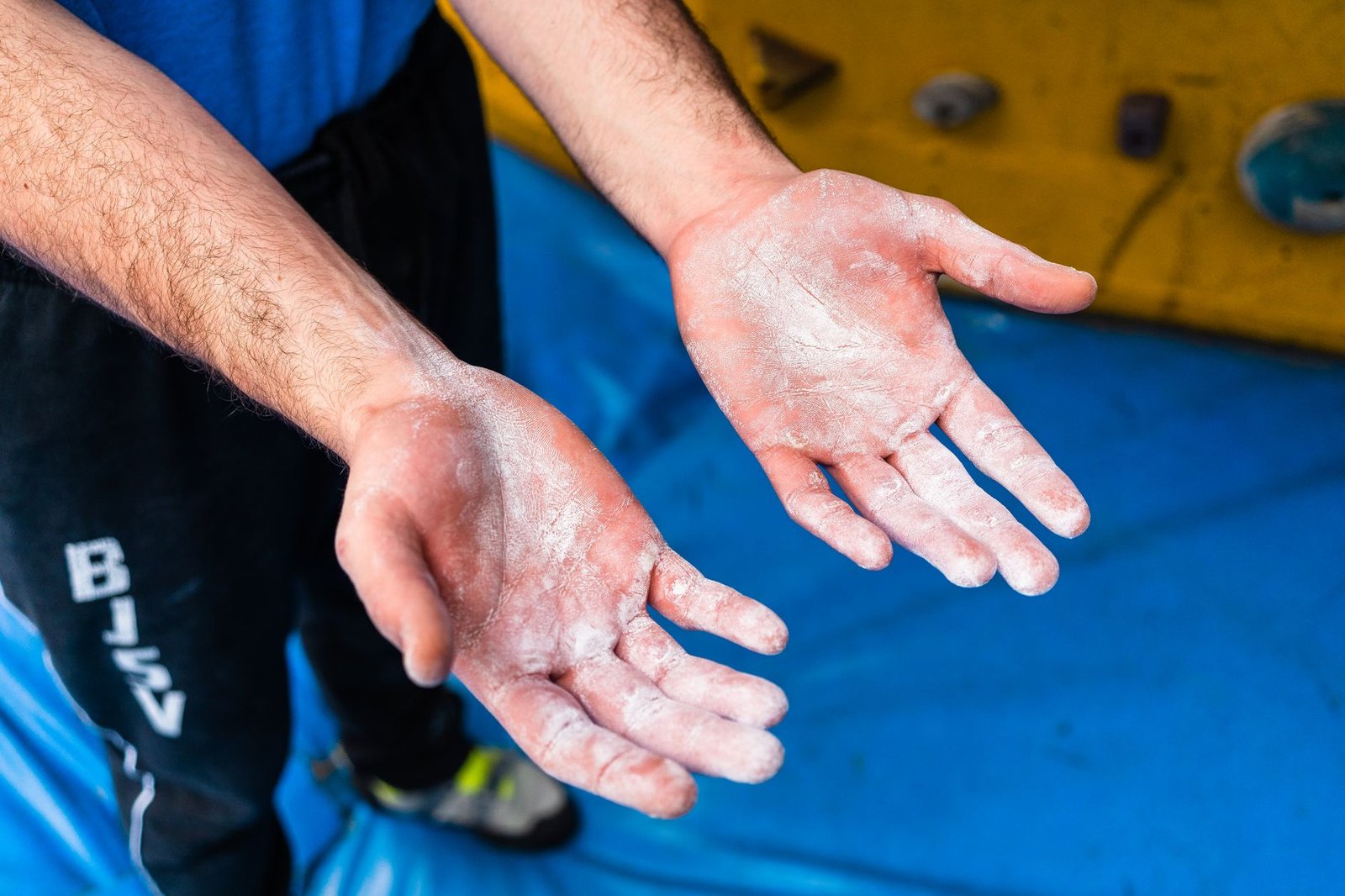
Liquid chalk represents a significant evolution in grip enhancement for sports like gym climbing. Unlike its powdered counterpart, which often consists solely of magnesium carbonate, liquid chalk combines magnesium carbonate with an alcohol-based solution, sometimes incorporating other additives like rosin or drying agents. When applied to the hands, the alcohol quickly evaporates, leaving behind a thin, even, and highly adherent layer of chalk.
This formulation offers several compelling benefits. Firstly, the alcohol acts as a sanitizer, cleaning the hands of oils and sweat before applying the chalk, leading to a much more effective and longer-lasting bond. Secondly, the even distribution of chalk minimizes dust, a significant advantage in indoor climbing gyms where air quality and cleanliness are often concerns. For the Indian climate, where humidity can often be a factor, liquid chalk’s ability to dry hands thoroughly and quickly before applying the grip is particularly beneficial, helping to combat sweaty palms more effectively than traditional chalk alone.
Why Liquid Chalk is Gaining Popularity in India
- Reduced Mess and Dust: Indian gyms, like their global counterparts, appreciate less airborne chalk dust, contributing to cleaner facilities and better air quality. This is a major draw for gym owners and climbers alike.
- Enhanced Hygiene: The alcohol content in liquid chalk provides an initial sanitizing effect, which is highly valued in shared sports environments, especially in a post-pandemic world where hygiene awareness is heightened.
- Superior, Longer-Lasting Grip: Many climbers report that liquid chalk provides a more durable grip that lasts through multiple moves or even an entire climb, reducing the need for reapplication mid-route. This is especially useful for longer climbs or intense bouldering sessions.
- Combatting Humidity: India’s varied climate often includes high humidity, which can quickly turn hands clammy. Liquid chalk’s drying properties are particularly effective in these conditions, providing a reliable grip when traditional chalk might clump or fail.
- Convenience and Portability: A small bottle of liquid chalk is easy to carry in a gym bag, with no risk of spills or messy powder leakage, making it ideal for the active Indian urban climber.
The shift towards liquid chalk among Indian climbers reflects a growing demand for performance-enhancing products that also contribute to a cleaner, safer, and more hygienic climbing environment. Brands like GameOnGlow, committed to promoting active lifestyles and offering quality sports essentials, recognize this trend and aim to provide solutions that meet these evolving needs.
Key Features to Consider When Buying Liquid Chalk in India
Choosing the best liquid chalk for your gym climbing needs in India involves more than just picking the first bottle you see. A thoughtful comparison of features can significantly impact your performance, comfort, and overall climbing experience. Here’s what you should scrutinize:
Alcohol Content and Quick Drying
The alcohol base is crucial for liquid chalk’s efficacy. Higher alcohol content (typically isopropyl or ethanol) means faster evaporation, leaving your hands dry and chalked up quicker. This is vital during high-intensity climbing where every second counts, and you want to avoid waiting for your hands to dry. For the Indian climate, where humidity can be a factor, a fast-drying formula is even more beneficial. Look for products that explicitly mention a quick-drying formula, as this indicates a well-balanced alcohol-to-chalk ratio. However, extremely high alcohol content can also be very drying to the skin over time, so finding a balance is key.
Ingredients and Skin Safety
Beyond magnesium carbonate and alcohol, some liquid chalks include additional ingredients. Rosin, for example, can enhance tackiness, but it’s often banned in certain climbing gyms due to the residue it leaves on holds. Other additives might include drying agents, essential oils for scent, or skin conditioners to counteract the drying effect of alcohol. For frequent climbers, skin health is paramount. Opt for products that are dermatologically tested, hypoallergenic, and free from harsh chemicals or artificial fragrances that could irritate your skin. If you have sensitive skin, consider brands that specifically market their products as skin-friendly or include moisturizing agents.
Packaging and Portability
The practicality of the bottle itself should not be overlooked. A robust, leak-proof bottle is essential, especially when tossed into a gym bag alongside your shoes and harness. Consider the dispenser type – a squeeze bottle with a controlled nozzle is usually ideal, preventing overuse and mess. The size of the bottle also matters: a smaller, travel-friendly size is great for on-the-go, while a larger bottle might be more economical for regular use at your local gym. For Indian climbers who often commute to their gyms, a compact and secure bottle is a definite plus, preventing any unfortunate chalk explosions in your backpack.
Price Point and Value for Money
Liquid chalk prices in India can vary significantly, ranging from budget-friendly options starting around ₹300-₹500 for smaller bottles to premium formulations costing upwards of ₹800-₹1200 or more. While it’s tempting to go for the cheapest option, remember that value isn’t just about the initial cost. Consider the longevity of the grip, how much product you need per application, and the overall quality. A slightly more expensive product that lasts longer and performs better could actually be more cost-effective in the long run. Compare the price per milliliter (ml) to get a true sense of value, and read reviews from other Indian climbers to gauge real-world performance. Learn more about The Ultimate Guide to GameOnGlow Liquid Chalk Gym for Indian Fitness Enthusiasts
Brand Reputation and Reviews
In the burgeoning Indian climbing scene, new brands and products emerge regularly. While exploring new options is great, established brands often have a track record of quality and consistency. Look for brands that are well-regarded within the international and Indian climbing communities. Crucially, check online reviews from actual users, paying particular attention to feedback from climbers in India who might share similar environmental conditions and preferences. This can provide invaluable insights into a product’s real-world performance, its longevity, and any potential issues like skin irritation or residue. Learn more about The Ultimate Guide to Liquid Chalk Gym for Indian Fitness Enthusiasts
By carefully evaluating these features, you can narrow down your choices and select a liquid chalk that not only meets your performance demands for gym climbing but also aligns with your personal preferences for skin safety, convenience, and budget. Learn more about The Ultimate Guide to GameOnGlow Liquid Chalk Gym for Indian Fitness Enthusiasts
Comparing Top Liquid Chalk Options for Gym Climbing in India
The Indian market for climbing accessories, including liquid chalk, is growing, with various options available from international imports to local brands. When comparing these, it’s helpful to categorize them based on their typical characteristics and target users. This section will guide you through the types of liquid chalk you’ll encounter, helping you identify which one aligns best with your climbing style and budget.
The Budget-Friendly Choices
For beginners or those on a tight budget, several liquid chalk brands offer entry-level products. These are typically characterized by a simpler formulation, often with a standard alcohol base and magnesium carbonate. They aim to provide basic grip enhancement without many frills. You might find these in smaller volumes (e.g., 50ml or 100ml) with prices ranging from ₹300 to ₹600. While they might not offer the ultra-long-lasting grip or advanced skin conditioners of premium options, they serve as an excellent starting point to experience the benefits of liquid chalk for gym climbing.
- Pros: Affordable, good for testing the waters, readily available.
- Cons: May require more frequent reapplication, potentially less effective in very humid conditions, sometimes simpler packaging.
- Ideal For: New climbers, casual gym-goers, those looking for an economical alternative to powdered chalk.
When opting for a budget choice, pay close attention to reviews regarding residue and overall drying time, as these can sometimes be areas where cost-cutting measures might affect performance.
Mid-Range Performers: Balancing Cost and Quality
This category represents the sweet spot for many Indian climbers, offering a good balance of performance, features, and price. Mid-range liquid chalks (typically ₹600 to ₹1000 for standard volumes) often boast improved formulations, such as higher-grade magnesium carbonate, optimized alcohol blends for faster drying, and sometimes the inclusion of mild skin conditioners or anti-bacterial agents. These products usually come in more durable and user-friendly packaging, making them a reliable choice for regular gym climbing sessions.
- Pros: Excellent balance of performance and price, good grip longevity, better skin feel, reliable packaging.
- Cons: Still might not be the absolute best for extreme conditions, some variations in formulation quality between brands.
- Ideal For: Intermediate climbers, regular gym-goers, those seeking a dependable everyday liquid chalk.
Many popular international and emerging Indian brands, including those focused on holistic wellness and sports like GameOnGlow, often position their grip solutions in this segment, aiming to provide high-quality products that offer significant value to the everyday athlete.
Premium Formulations: When to Invest More
At the higher end of the spectrum, premium liquid chalks (often ₹1000 and above for standard volumes) are designed for serious climbers who demand the absolute best in grip performance and skin care. These formulations often feature advanced ingredients like pharmaceutical-grade magnesium carbonate, specialized drying agents, and potent skin protectants or conditioners to minimize cracking and irritation from frequent use. Some might even incorporate unique polymers for enhanced friction. The packaging is typically top-tier, ensuring no leaks and precise application.
- Pros: Longest-lasting and strongest grip, superior skin protection, minimal reapplication, high-quality ingredients.
- Cons: Higher price point, may contain ingredients like rosin (check gym rules).
- Ideal For: Advanced climbers, competitors, those with sensitive skin, or anyone who values peak performance and is willing to invest in it.
When considering a premium liquid chalk for your gym climbing, evaluate if the added benefits justify the cost for your specific climbing frequency and intensity. For those pushing their limits on challenging routes, the marginal gains in grip and reduced reapplication can make a significant difference.
Regardless of the category, always check the ingredient list for any potential allergens and ensure the product complies with your local gym’s rules, especially concerning rosin. Reading reviews from fellow Indian climbers can also provide valuable real-world insights into how these products perform in local conditions.
How to Effectively Use Liquid Chalk for Optimal Gym Climbing Performance
Once you’ve chosen your preferred liquid chalk, understanding how to apply and use it effectively is crucial to maximize its benefits for your gym climbing sessions. Proper application ensures you get the best grip, reduce mess, and maintain healthy hands.
Application Techniques for Maximum Grip
- Start with Clean, Dry Hands: Before applying liquid chalk, ensure your hands are free of dirt, oils, and excessive moisture. The alcohol in liquid chalk will help with this, but starting with clean hands provides the best base.
- Dispense a Small Amount: You typically need much less liquid chalk than you would powdered chalk. Start with a pea-sized to dime-sized amount in the palm of one hand. Over-applying can lead to a thick, caked layer that may peel off or feel uncomfortable.
- Spread Evenly: Rub your hands together thoroughly, ensuring the liquid chalk covers all surfaces – palms, fingers, and even the back of your hands if you prefer. Pay attention to areas prone to sweating.
- Allow to Dry Completely: This is the most critical step. Let the alcohol evaporate fully. This usually takes 10-30 seconds, depending on the product and ambient humidity. Your hands should feel completely dry, with a thin, even layer of chalk. Do not touch the climbing holds until your hands are dry, as this can transfer wet chalk and create residue.
- Reapply as Needed: The beauty of liquid chalk is its longevity. You might find you only need to apply it once or twice per climbing session. Reapply if you notice your grip deteriorating due to sweat or if the chalk layer feels worn off.
Combining with Traditional Chalk (or not)
Many climbers use liquid chalk as a base layer. They apply liquid chalk at the start of their session, letting it dry completely, and then use a minimal amount of traditional powdered chalk from a chalk bag for quick touch-ups between attempts or during longer routes. This strategy combines the long-lasting, deep-drying effect of liquid chalk with the instant tactile feedback and moisture absorption of powdered chalk.
- Liquid Chalk First: This establishes a strong, clean base grip.
- Powdered Chalk for Touch-ups: If your hands start to feel slightly damp during a climb, a quick dip in the chalk bag can provide immediate relief without needing to reapply liquid chalk.
However, some gyms in India have strict “no loose chalk” policies to maintain cleanliness and air quality. In such cases, liquid chalk becomes your sole grip enhancement. Choose a liquid chalk that offers exceptional drying power and longevity if you plan to rely solely on it.
Post-Climb Hand Care
While liquid chalk is excellent for grip, its alcohol content can be drying to the skin, especially with frequent use. Proper post-climb hand care is essential to prevent dry, cracked skin, which can hinder future climbing performance. GameOnGlow, as a brand focused on wellness, always advocates for holistic care.
- Wash Hands Thoroughly: After your climbing session, wash your hands with soap and water to remove all chalk residue.
- Moisturize: Apply a good quality hand cream or moisturizer. Look for products designed for active hands or those with repairing ingredients like shea butter, vitamin E, or hyaluronic acid. Regular moisturizing will keep your skin supple and resilient, ready for your next gym climbing adventure.
- Consider Hand Balms: Some climbers use specialized climbing hand balms that help repair skin and harden calluses without making them brittle.
By integrating these practices into your routine, you can ensure that liquid chalk enhances your climbing performance without compromising the health of your hands.
FAQs About Liquid Chalk Gym Climbing
What is the primary difference between liquid chalk and traditional powdered chalk for gym climbing?
The main difference lies in their composition and application. Traditional powdered chalk is pure magnesium carbonate, applied dry from a chalk bag. Liquid chalk, on the other hand, combines magnesium carbonate with an alcohol-based solution. When applied, the alcohol quickly evaporates, leaving a thin, even, and highly adherent layer of chalk. This results in a longer-lasting grip, less airborne dust, and an initial sanitizing effect, which is particularly beneficial for gym climbing in shared environments across India.
Is liquid chalk allowed in all Indian climbing gyms?
Generally, yes, liquid chalk is widely accepted and often preferred in Indian climbing gyms, especially those with strict no-loose-chalk policies aimed at maintaining cleanliness and air quality. However, it’s always a good practice to check with your specific gym’s management or staff, as some may have particular restrictions, especially regarding products that contain rosin, which can leave a sticky residue on holds.
How long does a single application of liquid chalk last during a gym climbing session?
The longevity of a single application of liquid chalk can vary based on several factors: the specific brand and formulation, your sweat rate, the intensity of your climbing, and ambient conditions like humidity. Generally, liquid chalk provides a much longer-lasting grip than powdered chalk, often holding strong for multiple climbs or a significant portion of a bouldering session. Many climbers find they only need to reapply once or twice during a 1-2 hour session, compared to frequent dips into a chalk bag.
Can liquid chalk dry out my hands, and what can I do about it?
Yes, the alcohol content in liquid chalk can be drying to the skin with frequent use, potentially leading to dryness, cracking, or irritation, especially for climbers with sensitive skin. To mitigate this, it’s crucial to practice good hand care. Always wash your hands thoroughly after your climbing session to remove all chalk, and then apply a high-quality hand moisturizer or balm. GameOnGlow recommends using hydrating products specifically designed for active hands to keep your skin supple and resilient, ensuring you’re ready for your next climbing adventure.
Is liquid chalk more expensive than traditional powdered chalk in India?
Initially, a bottle of liquid chalk might seem more expensive than a bag of powdered chalk. However, when considering cost-effectiveness, liquid chalk often proves to be more economical in the long run. Because it provides a longer-lasting grip and requires less frequent reapplication, you typically use much less product per session. This means a single bottle of liquid chalk can last significantly longer than an equivalent amount of powdered chalk, offering better value over time, especially for regular gym climbers in India.
Are there different types of liquid chalk for different climbing styles?
While most liquid chalks are versatile for all gym climbing styles (bouldering, sport climbing, top-roping), some formulations might be better suited for specific needs. For instance, liquid chalks with higher drying power are excellent for very sweaty hands or humid conditions, common in parts of India. Those with added skin conditioners might be preferred by climbers who experience skin dryness easily. While not explicitly marketed for “bouldering chalk” versus “sport climbing chalk,” you can choose based on your personal sweat rate, skin sensitivity, and the specific demands of your climbing style.
Conclusion: Final Thoughts on Liquid Chalk for Your Climbing Journey
The journey of a gym climber in India is one of continuous improvement, skill refinement, and the relentless pursuit of new challenges. In this pursuit, having reliable equipment and accessories is not just a luxury but a necessity. Liquid chalk for gym climbing has emerged as a formidable ally, offering a blend of superior grip, enhanced hygiene, and remarkable convenience that traditional powdered chalk often can’t match.
By understanding the key features—from alcohol content and skin safety to packaging and price point—you are now better equipped to compare the myriad options available in the Indian market. Whether you opt for a budget-friendly starter, a robust mid-range performer, or a premium formulation, the goal remains the same: to secure a grip that empowers you to conquer your climbing goals. Remember that effective application and diligent post-climb hand care are equally vital to maximize the benefits and maintain healthy hands.
As the Indian climbing scene continues to flourish, embracing innovative solutions like liquid chalk is a step towards a more efficient, hygienic, and ultimately, more enjoyable climbing experience. Choose wisely, climb confidently, and let your grip be the least of your worries. Brands like GameOnGlow are committed to supporting your active lifestyle with products that enhance performance and promote overall wellness, helping you shine on and off the wall.