
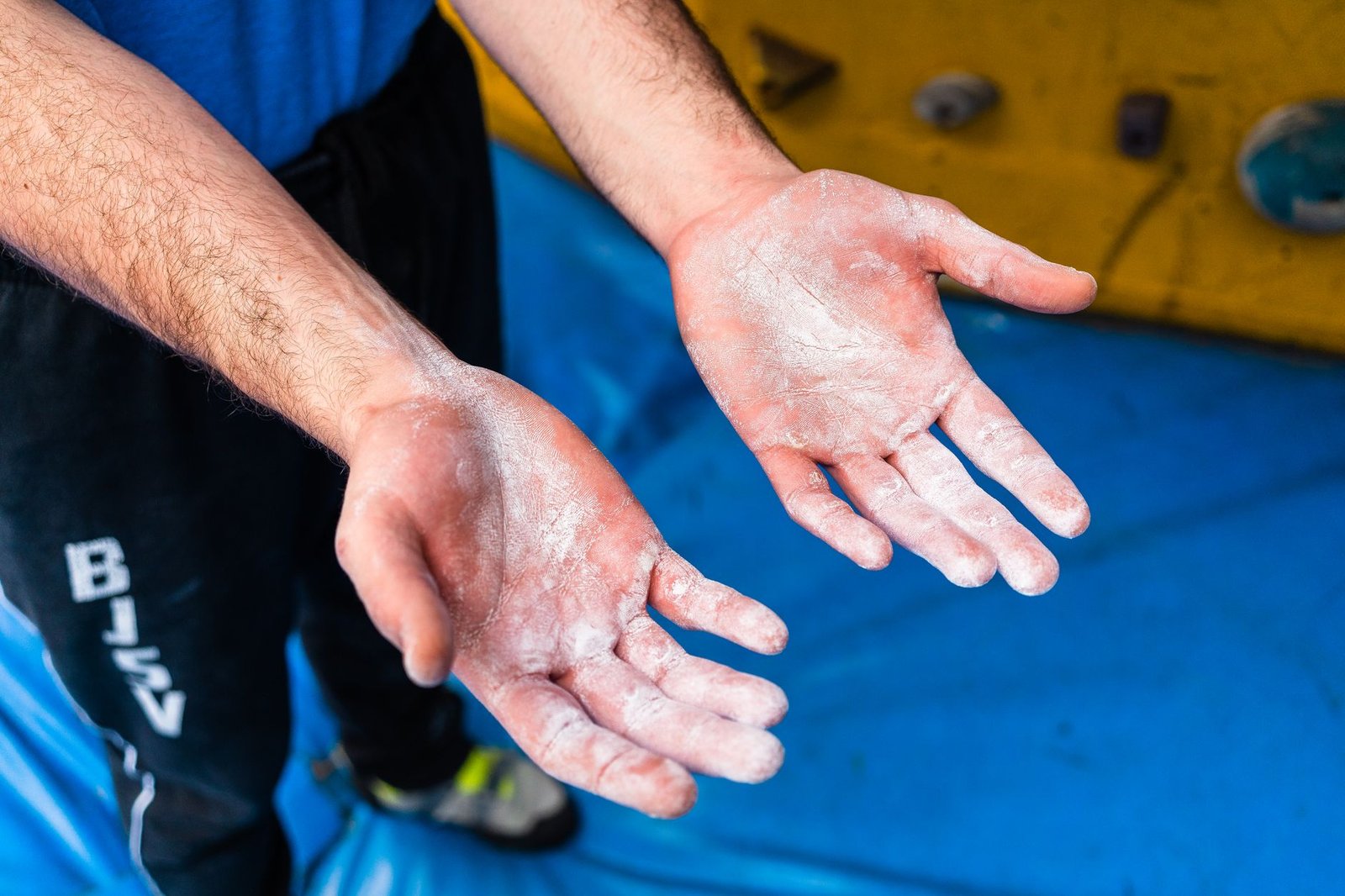
Introduction: Understanding Liquid Chalk for Gym Climbing
The exhilarating world of gym climbing, with its intricate routes and challenging bouldering problems, has captivated a growing number of enthusiasts across India. From the bustling climbing walls of Delhi and Mumbai to the dedicated bouldering gyms in Bengaluru and Pune, more and more Indians are discovering the thrill of scaling artificial rock faces. As you progress in this sport, one crucial element often overlooked by beginners is the importance of a reliable grip. This is where liquid chalk for gym climbing steps in, offering a modern and effective solution to enhance your performance and safety.
For many years, traditional powdered chalk (magnesium carbonate) has been the go-to choice for climbers. However, its dusty nature and potential for mess have led to the rise of an innovative alternative: liquid chalk. This product, typically a blend of magnesium carbonate and an alcohol-based solution, promises a superior, longer-lasting grip with significantly less mess. It’s a game-changer for both seasoned climbers and newcomers, providing the confidence needed to tackle tougher routes and maintain focus on technique rather than slipping hands.
This comprehensive guide aims to demystify liquid chalk for gym climbing, specifically tailored for the Indian audience. We will explore what liquid chalk is, delve into the science behind its effectiveness, compare it with traditional chalk, outline its myriad benefits, and provide practical advice on how to use it for optimal results. Whether you’re just starting your climbing journey or looking to refine your existing technique, understanding and incorporating liquid chalk can significantly elevate your gym climbing experience.
At its core, liquid chalk is designed to absorb moisture and oils from your hands, creating a dry, friction-enhancing layer that dramatically improves your hold on climbing surfaces. This is particularly beneficial in humid Indian climates, where sweaty palms can quickly become a hindrance. By providing a consistent and robust grip, liquid chalk allows you to climb with greater confidence, push your limits, and ultimately enjoy the sport more fully. Let’s dive deeper into this essential climbing accessory and discover why it’s becoming a favourite among Indian climbers.
Understanding Liquid Chalk for Gym Climbing: What It Is and Why It Matters
Liquid chalk for gym climbing is a revolutionary product that combines the power of magnesium carbonate with an alcohol-based carrier. Unlike its powdered counterpart, which is applied directly as a dry dust, liquid chalk is dispensed as a viscous fluid. When applied to the hands, the alcohol quickly evaporates, leaving behind a fine, even, and long-lasting layer of magnesium carbonate. This process ensures maximum coverage and adherence, providing a superior grip that can withstand the rigours of intense climbing sessions.
The importance of a good grip in climbing cannot be overstated. It is the fundamental connection between you and the wall, dictating your ability to hold onto holds, maintain balance, and execute moves. A slipping grip not only hampers performance but can also lead to falls and potential injuries. Liquid chalk addresses this critical need by offering an enhanced level of friction, allowing climbers to maintain their hold even on the most challenging routes. For beginners, this can translate to increased confidence and faster skill development, as they spend less time worrying about their hands and more time focusing on technique.
Furthermore, the growing popularity of indoor climbing in India means that gyms are often bustling with activity. The use of traditional powdered chalk can lead to significant dust accumulation, affecting air quality and creating a messy environment for both climbers and gym staff. Liquid chalk mitigates these issues, making it a more environmentally friendly and gym-friendly option. Its ability to reduce airborne particles contributes to a cleaner, healthier climbing space, aligning with the modern ethos of sustainable and responsible sports practices.
The convenience and effectiveness of liquid chalk make it an indispensable tool for anyone serious about improving their gym climbing performance. It’s not just about stronger hands; it’s about smarter climbing – optimizing every aspect of your gear and technique to achieve your best. As Indian climbers continue to push boundaries, embracing innovations like liquid chalk will be key to unlocking new levels of performance and enjoyment in the sport.
The Science Behind Enhanced Grip
To truly appreciate liquid chalk for gym climbing, it helps to understand the science behind how it works to enhance your grip. At its core, the primary goal of any climbing chalk is to increase friction between your hands and the climbing holds. This is achieved by absorbing moisture and oils from the skin, creating a dry, grippy surface. Magnesium carbonate, the active ingredient in all climbing chalks, is exceptionally good at this due to its porous structure and high surface area.
When you apply liquid chalk, the alcohol (usually ethanol or isopropyl alcohol) acts as a solvent, allowing the magnesium carbonate particles to be evenly spread across your palms and fingers. As the alcohol rapidly evaporates, it takes with it the surface moisture and oils from your skin. What remains is a thin, uniform layer of pure magnesium carbonate that adheres much more effectively than loose powder. This even distribution means that every part of your hand that touches a hold has maximum friction potential.
The rapid evaporation of alcohol also contributes to an immediate drying effect on the skin, which is particularly beneficial in humid conditions common in many parts of India. This instant dryness helps to prevent the formation of sweat, which is the primary enemy of a good grip. The alcohol also acts as an antiseptic, providing a minor hygienic benefit by killing some surface bacteria on your hands, an added advantage in shared gym environments.
Moreover, the way liquid chalk adheres to the skin creates a more durable layer compared to powdered chalk. This means less frequent reapplication is needed, allowing you to focus on your climb without interruption. The microscopic particles of magnesium carbonate fill the natural ridges and valleys of your fingerprints, effectively increasing the contact area and coefficient of friction between your hand and the climbing hold. This scientific synergy results in a noticeably more secure and reliable grip, empowering you to perform at your peak.
Traditional Chalk vs. Liquid Chalk: A Comparison
For decades, traditional powdered chalk has been synonymous with climbing. It’s readily available, inexpensive (often starting from ₹150 for a block), and effective at drying hands. However, its widespread use has also highlighted several drawbacks, especially in indoor gym settings. Liquid chalk for gym climbing emerged as a response to these challenges, offering a compelling alternative that addresses many of the concerns associated with traditional chalk. Learn more about The Ultimate Guide to GameOnGlow Liquid Chalk Gym for Indian Fitness Enthusiasts
Traditional Powdered Chalk (Magnesium Carbonate): Learn more about The Ultimate Guide to Liquid Chalk Gym for Indian Fitness Enthusiasts
- Pros:
- Inexpensive and widely available (e.g., a 50g block for ₹150-₹300).
- Instantaneous drying effect on hands.
- Familiar and preferred by many long-time climbers.
- Can be easily applied on the go during a climb using a chalk bag.
- Cons:
- Messy: Creates significant dust in gyms, leading to poor air quality and dirty surfaces.
- Inconsistent Coverage: Can clump or rub off unevenly, requiring frequent reapplication.
- Wasteful: A lot of chalk gets lost to the air and floor.
- Hygiene Concerns: Shared chalk buckets can be less hygienic.
- Drying Effect: Can over-dry skin with prolonged use, leading to cracks or irritation for some.
Liquid Chalk for Gym Climbing: Learn more about The Ultimate Guide to GameOnGlow Liquid Chalk Gym for Indian Fitness Enthusiasts
- Pros:
- Superior, Long-Lasting Grip: Adheres better, providing a more consistent and durable friction layer.
- Mess-Free: Significantly reduces dust and keeps gyms cleaner, improving air quality.
- Hygienic: Applied directly from a bottle, reducing cross-contamination risks.
- Economical in Use: A small amount goes a long way, requiring less frequent reapplication.
- Enhanced Skin Protection: Forms a protective layer, potentially reducing wear and tear on skin.
- Quick Drying: Alcohol content ensures rapid drying of hands.
- Gym-Friendly: Increasingly preferred or even mandated by many modern climbing gyms in India due to cleanliness.
- Cons:
- Initial Cost: Generally more expensive per bottle than a block of traditional chalk (e.g., ₹500-₹1500 for a 100-200ml bottle).
- Application Time: Requires a few seconds for the alcohol to evaporate completely before climbing.
- Reapplication During Climb: Cannot be easily reapplied mid-route like powdered chalk from a bag; best applied before a climb or between attempts.
- Alcohol Smell: Some users might find the initial alcohol smell strong, though it dissipates quickly.
While traditional chalk still has its place, especially for outdoor climbing where dust isn’t a concern, liquid chalk offers a compelling package of benefits for the indoor gym climber. Its cleanliness, superior grip, and hygienic advantages make it a strong contender, and for many Indian gyms, it’s becoming the preferred or even mandatory choice for maintaining a high-quality climbing environment.
The Core Benefits of Using Liquid Chalk for Your Climbs
The adoption of liquid chalk for gym climbing isn’t just a trend; it’s a strategic choice that offers a multitude of tangible benefits for climbers of all levels. From enhancing performance to promoting a cleaner climbing environment, the advantages are clear and impactful. Let’s delve into the core benefits that make liquid chalk an indispensable part of a modern climber’s gear.
Superior Grip and Performance
One of the most immediate and impactful benefits of liquid chalk is the superior grip it provides. The unique formulation ensures that the magnesium carbonate adheres more effectively and evenly to your hands, creating a consistent friction layer that traditional powdered chalk often struggles to match. This enhanced grip translates directly into improved climbing performance.
- Reduced Slips: With a more secure hold, the likelihood of your hands slipping off holds, especially on crimps and slopers, is significantly reduced. This allows you to commit more fully to moves and execute challenging sequences with greater confidence.
- Increased Confidence: Knowing that your grip is reliable frees up mental energy. Instead of constantly worrying about slipping, you can focus on technique, body positioning, and route reading, leading to more efficient and effective climbing. This confidence boost is invaluable for tackling harder grades.
- Better Endurance: A stronger, more consistent grip means you don’t have to squeeze holds as hard to maintain control. This reduces forearm fatigue, allowing you to climb longer, attempt more routes, and improve your overall endurance during a session. Less “pump” means more sends!
- Optimal for Specific Holds: Liquid chalk excels on holds that are prone to becoming slick, such as polished plastic or textured volumes. Its ability to absorb moisture deeply and evenly ensures maximum friction, even in humid conditions or on sweaty holds.
For climbers in India, where humidity can be a constant challenge, the ability of liquid chalk to provide a consistently dry and grippy surface is a game-changer. It ensures that your performance remains uncompromised, allowing you to push your limits regardless of the environmental conditions.
Hygiene and Mess-Free Experience
Beyond performance, liquid chalk for gym climbing offers significant advantages in terms of hygiene and maintaining a clean climbing environment. These benefits are particularly pertinent in busy indoor gyms across India, where shared spaces and equipment are the norm.
- Less Dust, Cleaner Gyms: The most noticeable benefit is the dramatic reduction in airborne chalk dust. Traditional chalk bags and buckets release a fine powder into the air, which settles on holds, floors, and equipment, and can be inhaled by climbers. Liquid chalk, once dried, stays on your hands, keeping the gym air cleaner and reducing the need for constant cleaning. This makes for a more pleasant and healthier environment for everyone.
- Improved Air Quality: Reduced dust means better air quality within the gym. This is a significant health benefit, especially for individuals with respiratory sensitivities, and contributes to a more comfortable breathing experience for all climbers and staff.
- Personal Hygiene: Applying liquid chalk directly from a sealed bottle eliminates the need to dip your hands into a communal chalk bag or bucket. This significantly reduces the risk of cross-contamination and the spread of germs, a crucial consideration in today’s health-conscious world.
- Cleaner Gear: Your climbing shoes, harness, and clothing will remain cleaner and free from chalk residue when you use liquid chalk. This not only extends the life of your gear but also keeps your gym bag tidier.
Many modern climbing facilities in India, recognizing these benefits, are increasingly encouraging or even mandating the use of liquid chalk to maintain their high standards of cleanliness and user experience. It’s a testament to how this product contributes positively to the overall gym climbing ecosystem.
Skin Health and Longevity
While often overlooked, the impact of chalk on skin health is an important consideration for regular climbers. Liquid chalk for gym climbing offers some distinct advantages in this area compared to traditional powdered chalk.
- Less Drying Effect: Traditional chalk can be very drying, sometimes leading to cracked skin, particularly for those with sensitive skin or in dry climates. While liquid chalk still contains magnesium carbonate, the alcohol acts as a quick-drying agent and then evaporates, leaving a more consistent, less abrasive layer. Some formulations even include skin-friendly additives to mitigate excessive dryness.
- Protective Layer: The even film of magnesium carbonate created by liquid chalk can act as a subtle protective barrier for your skin against the friction and abrasion of climbing holds. This can help reduce the development of calluses or skin tears, allowing your hands to recover faster between sessions.
- Reduced Irritation: For some individuals, the constant reapplication and rubbing of powdered chalk can cause mild skin irritation. The “apply once and forget” nature of liquid chalk minimizes this constant interaction, potentially leading to fewer irritations.
- Better for Recovery: By potentially reducing skin damage during climbing, liquid chalk contributes to quicker hand recovery, allowing you to return to the wall sooner and maintain consistency in your training. This is especially important for dedicated climbers who train multiple times a week.
Prioritizing skin health means you can climb more comfortably and consistently over the long term, preventing issues that might otherwise force breaks in your training. Liquid chalk contributes positively to this aspect of a climber’s well-being.
How to Effectively Use Liquid Chalk for Optimal Results
To truly unlock the benefits of liquid chalk for gym climbing, proper application and understanding of its use are essential. It’s not just about squeezing some onto your hands; a thoughtful approach ensures you get the best possible grip and maximize its longevity. Here’s how to use it effectively.
Application Techniques and Best Practices
The application of liquid chalk is straightforward, but a few best practices can make a significant difference in its effectiveness:
- Start with Clean, Dry Hands: For the best adherence, ensure your hands are clean and free from excess oils or lotions. If you’ve just washed your hands, make sure they are thoroughly dry before applying the chalk.
- Use a Small Amount: A common mistake is to use too much. Start with a pea-sized or almond-sized dollop for both hands. Remember, a little goes a long way. Too much can lead to flaking or a caked-on feeling.
- Spread Evenly: Squeeze the liquid chalk into the palm of one hand. Rub your hands together vigorously, ensuring the chalk is spread thinly and evenly across your palms, fingers, and fingertips. Don’t forget the sides of your fingers and thumbs.
- Allow to Dry Completely: This is crucial. The alcohol needs to fully evaporate to leave behind the magnesium carbonate layer. This usually takes 10-20 seconds. You’ll feel a cool sensation as the alcohol evaporates, and your hands will transition from wet to dry and white. Do not touch holds until your hands are completely dry. Waving your hands gently can speed up the drying process.
- Reapply as Needed, Not Excessively: Liquid chalk offers a much longer-lasting grip than powdered chalk. You likely won’t need to reapply after every climb. Reapply when you feel your grip starting to diminish, or before attempting a particularly challenging route. Over-applying can lead to a thick, less effective layer.
- Consider a Base Layer: Some climbers use liquid chalk as a base layer for their entire session, and then use a small amount of traditional powdered chalk (if allowed by the gym) from a chalk bag for quick touch-ups on very long or intense routes. This combines the best of both worlds – the long-lasting foundation of liquid chalk with the immediate top-up of powder.
By following these steps, you’ll ensure that the liquid chalk forms an optimal, long-lasting friction layer, giving you the best possible grip for your gym climbing adventures.
When and Where to Use It
Understanding when and where to use liquid chalk for gym climbing can further optimize its benefits and ensure you adhere to gym etiquette.
- Before Your Session: Apply liquid chalk at the very beginning of your climbing session. This provides a strong base layer for your hands that often lasts for several climbs.
- Between Attempts/Routes: If you’re working on a challenging boulder problem or a lead route, reapply liquid chalk before each attempt or after resting between sections. This ensures your grip is fresh for the next push.
- Bouldering: Liquid chalk is exceptionally well-suited for bouldering. The short, intense nature of boulder problems often means you can apply it once and have a reliable grip for multiple attempts, reducing the need for constant reapplication and keeping the bouldering area clean.
- Lead Climbing/Top Roping: For longer routes, apply liquid chalk before you start climbing. While reapplication mid-route is difficult, the long-lasting nature of liquid chalk often means you won’t need to. If you do, consider using a small amount of powdered chalk from a bag (if permitted) for a quick top-up, or descend to reapply liquid chalk.
- Gym Etiquette: Always be mindful of your gym’s specific rules regarding chalk. Many Indian climbing gyms now prefer or even require liquid chalk due to its cleanliness. Applying it away from the climbing walls, perhaps near a bench or cubby, can help keep the main climbing area even cleaner. Avoid applying it directly over other climbers or near food/drink areas.
- Humid Conditions: In India’s often humid climate, liquid chalk truly shines. Its alcohol content aggressively dries your hands, making it superior to powdered chalk in combating sweat and moisture, ensuring a consistent grip even on the muggiest days.
By integrating liquid chalk thoughtfully into your climbing routine, you’ll not only enhance your personal performance but also contribute to a cleaner, more enjoyable climbing environment for everyone at your local gym, whether it’s in Bengaluru, Chennai, or anywhere else across India.
Choosing the Right Liquid Chalk in India: What to Look For
With the increasing popularity of gym climbing in India, the market for climbing accessories, including liquid chalk, is expanding. Choosing the right product can make a difference in your climbing experience. When selecting liquid chalk for gym climbing, it’s important to consider several factors to ensure you get a high-quality, effective, and safe product.
Key Ingredients and Formulations
While all liquid chalk contains magnesium carbonate and an alcohol base, the specific formulation can vary between brands. Understanding these differences can help you make an informed choice:
- Magnesium Carbonate Purity: Look for brands that emphasize high-purity magnesium carbonate. Higher purity often means better moisture absorption and a finer, more consistent layer on your hands. Some lower-quality chalks might contain fillers that can feel gritty or less effective.
- Alcohol Content and Type: The alcohol (typically ethanol or isopropyl alcohol) is crucial for evaporation and drying. A good balance is important – too little, and it won’t dry quickly; too much, and it might be overly drying for some skin types. Some brands use specific alcohol blends for faster drying or to be gentler on the skin.
- Added Drying Agents: Some liquid chalk formulations include additional drying agents like silica or other compounds to enhance moisture absorption. These can be particularly beneficial in extremely humid conditions.
- Skin Conditioners/Moisturizers: A growing number of brands are incorporating skin-friendly ingredients like essential oils (e.g., tea tree oil for its antiseptic properties) or other moisturizers to counteract the drying effects of alcohol and magnesium carbonate. If you have sensitive skin or find traditional chalk too harsh, look for these formulations. GameOnGlow’s grip enhancement products are often designed with skin health in mind, ensuring a balance between performance and care.
- Texture and Consistency: The consistency of liquid chalk can vary from thin and runny to thick and paste-like. Personal preference plays a role here. Thinner chalks tend to spread more easily and dry faster, while thicker ones might feel more substantial.
Reading reviews and, if possible, trying small samples can help you determine which formulation best suits your skin type and climbing style. Don’t hesitate to ask fellow climbers in your gym for their recommendations.
Price Points and Where to Buy
The cost of liquid chalk in India can vary significantly based on the brand, volume, and specific formulation. It’s generally more expensive upfront than a block of traditional chalk, but its longevity often makes it more cost-effective in the long run.
- Price Range: Expect to pay anywhere from ₹500 to ₹1500 for a 100ml to 250ml bottle of quality liquid chalk. Premium brands or those with specialized formulations might be at the higher end of this spectrum. While a ₹150 block of chalk seems cheaper, it lasts far less time than a quality liquid chalk bottle.
- Online Retailers: The easiest way to purchase liquid chalk in India is through online e-commerce platforms like Amazon India, Flipkart, and specialized sports equipment websites. These platforms offer a wide range of brands, competitive pricing, and the convenience of home delivery. Many international brands are also available through these channels.
- Local Sports Stores: Larger sports goods stores in metropolitan areas (e.g., Decathlon) may stock a selection of liquid chalk. These stores offer the advantage of allowing you to physically examine the product, though the variety might be limited compared to online options.
- Climbing Gyms: Many climbing gyms in India, recognizing the benefits and demand, sell liquid chalk directly at their reception or pro shop. This is often a convenient option, and the staff can usually offer recommendations based on popular choices among their members.
- Specialized Climbing Gear Shops: While less common, some cities might have dedicated climbing gear shops that offer a curated selection of products, including various brands of liquid chalk. These shops often provide expert advice.
When purchasing, consider buying a smaller bottle first to test if a particular brand suits you. Once you find a preferred brand, buying a larger bottle or multi-pack can often be more economical. Remember, investing in good quality liquid chalk for gym climbing is an investment in your performance, comfort, and the longevity of your climbing journey.
FAQs About Liquid Chalk Gym Climbing
Is liquid chalk allowed in all Indian climbing gyms?
While liquid chalk for gym climbing is gaining widespread acceptance and even preference in many modern Indian climbing gyms, it’s not universally allowed. Many gyms, especially newer or larger facilities in cities like Bengaluru, Mumbai, and Delhi, encourage or mandate its use due to its cleanliness and minimal dust. However, some smaller or older gyms might still permit traditional powdered chalk, or have specific rules about its use. It is always best practice to check with the specific gym’s management or read their posted rules before your session. This ensures you comply with their policies and contribute to a harmonious climbing environment for everyone.
How long does a single application of liquid chalk last?
The longevity of a single application of liquid chalk can vary depending on several factors, including the intensity of your climbing, the humidity of the environment, your personal sweat rate, and the specific brand/formulation of the chalk. Generally, a good quality liquid chalk application can last for several climbs or a significant portion of a bouldering session (e.g., 30-60 minutes of active climbing). Unlike powdered chalk which often requires reapplication after every few moves or routes, liquid chalk adheres much better, meaning you’ll need to reapply far less frequently. This allows for more uninterrupted climbing and focus on your technique rather than your grip.
Can liquid chalk damage my skin or climbing holds?
When used correctly, liquid chalk for gym climbing is generally safe for both your skin and climbing holds. For your skin, while the alcohol content can be initially drying, it evaporates quickly, leaving behind magnesium carbonate. Many modern formulations include skin-conditioning agents to counteract excessive dryness. If you have particularly sensitive skin, look for these formulations or apply a hand cream after your climbing session. As for climbing holds, liquid chalk is less abrasive than powdered chalk and leaves less residue, meaning it’s less likely to “polish” or damage holds over time. In fact, by reducing dust, it helps keep holds cleaner and their original texture intact for longer. Always ensure your hands are completely dry after application before touching holds to prevent any transfer of wet chalk.
What’s the typical cost of liquid chalk in India?
In India, the typical cost for a bottle of liquid chalk for gym climbing ranges from approximately ₹500 to ₹1500 for a standard 100ml to 250ml bottle. This price can fluctuate based on the brand (local Indian brands versus international imports), the volume of the bottle, and any specialized ingredients or formulations (e.g., added skin conditioners). While the initial cost may seem higher than a small block of traditional powdered chalk (which might be ₹150-₹300), liquid chalk is often more economical in the long run due to its superior adherence and less frequent application, meaning a bottle lasts significantly longer.
Is liquid chalk better than powdered chalk for beginners?
For beginners in gym climbing, liquid chalk can offer several distinct advantages over powdered chalk. Firstly, its superior, long-lasting grip provides a greater sense of security and confidence, allowing beginners to focus more on learning technique rather than worrying about slipping hands. Secondly, it is much cleaner and less messy, which is often appreciated by new climbers and helps maintain a pleasant gym environment. Lastly, the reduced need for constant reapplication means less distraction, letting beginners concentrate on their movements and body positioning. While powdered chalk is also effective, the holistic benefits of liquid chalk, especially in an indoor setting, often make it a more beginner-friendly choice for starting their climbing journey.
Conclusion: Elevate Your Gym Climbing Experience with Liquid Chalk
As the vibrant gym climbing scene continues to flourish across India, embracing innovations that enhance performance and experience becomes paramount. Liquid chalk for gym climbing stands out as one such innovation, offering a compelling blend of superior grip, hygiene, and convenience that traditional chalk simply cannot match. From the bustling bouldering walls of Bengaluru to the challenging lead routes in Delhi, climbers are increasingly discovering the transformative power of this modern grip enhancer.
We’ve explored how liquid chalk works its magic, creating a durable, friction-rich layer that significantly reduces slips and boosts confidence. We’ve seen how it contributes to cleaner gyms and healthier air quality, making the climbing environment more enjoyable for everyone. Moreover, its benefits extend to skin health, potentially reducing dryness and irritation, allowing you to climb more consistently and comfortably.
For any Indian climber, whether you’re taking your first tentative steps on the wall or pushing for new personal bests, integrating liquid chalk into your routine is a smart move. It’s an investment in your performance, safety, and the overall quality of your climbing experience. By choosing the right product and applying it effectively, you can unlock new levels of grip and focus, allowing you to conquer more challenging routes and fully immerse yourself in the joy of climbing.
As you gear up for your next session, consider making the switch to liquid chalk. Explore the range of grip enhancement products available and experience the difference for yourself. At GameOnGlow, we believe in empowering every athlete with the best tools for their journey. Elevate your climb, enhance your grip, and reach new heights with the confidence that comes from a perfectly chalked hand.