
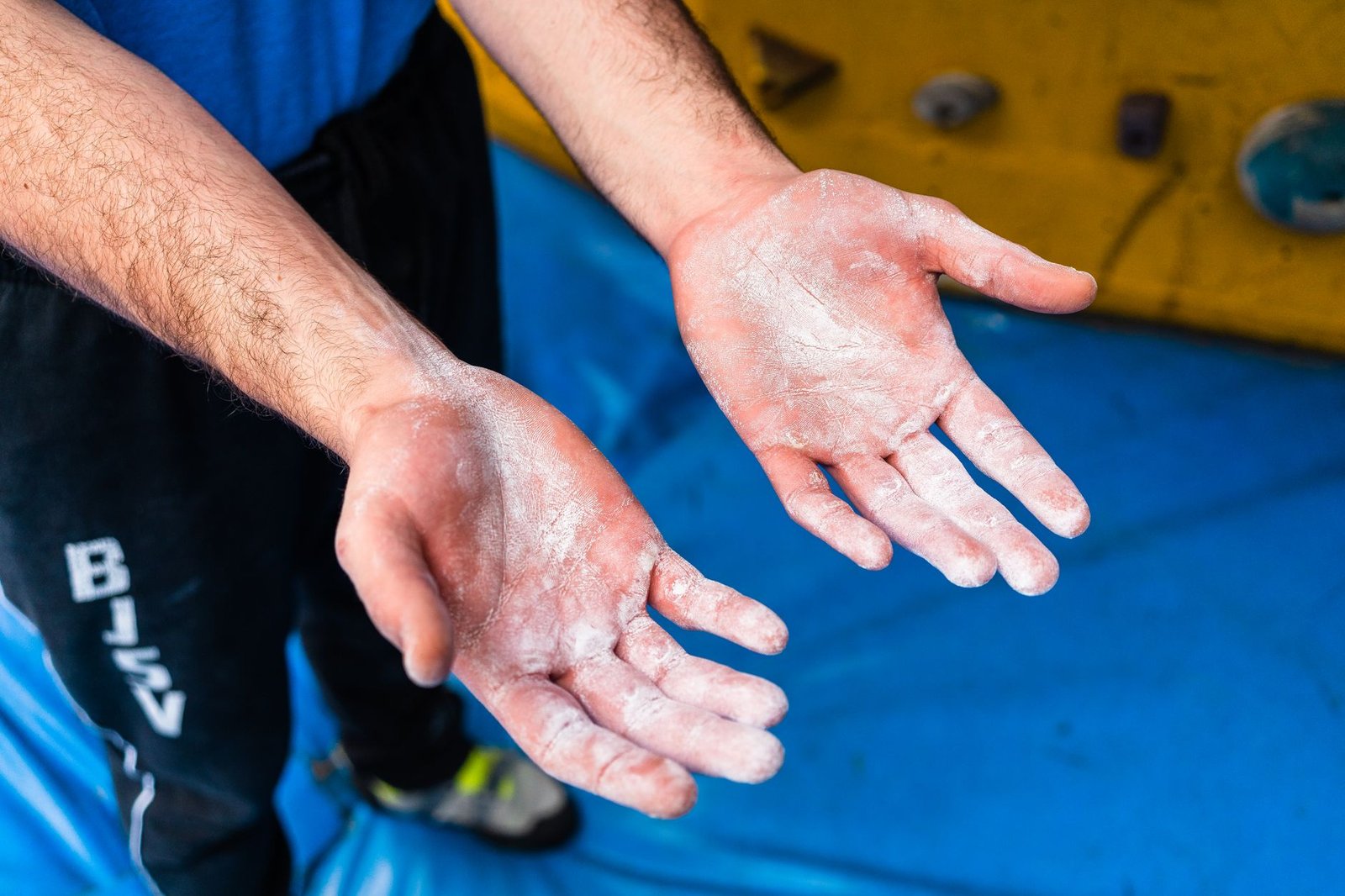
Introduction: Understanding Chalk for Gym Climbing Hands
For anyone serious about conquering vertical challenges, whether it’s scaling a towering rock face outdoors or navigating intricate routes at an indoor bouldering gym, the importance of a secure grip cannot be overstated. This is precisely where chalk for gym climbing hands becomes an indispensable ally. Far more than just a white powder, climbing chalk is a specialized grip enhancer designed to absorb sweat and moisture from your palms, dramatically improving friction between your hands and the climbing surface.
In India, the climbing and bouldering scene is experiencing a remarkable surge in popularity. From bustling metropolitan climbing gyms in Bengaluru and Mumbai to burgeoning outdoor bouldering spots, more and more enthusiasts are discovering the thrill of this demanding sport. As climbers progress, they quickly learn that sweaty hands are not just an annoyance; they are a significant impediment to performance and safety. This comprehensive guide from GameOnGlow aims to demystify the world of climbing chalk, helping you understand its various forms, features, and how to choose the best option to elevate your climbing game.
Choosing the right chalk can feel overwhelming given the array of options available today. This consideration-stage blog post will help you compare different types of chalk, understand the crucial features to look for, and navigate the Indian market to make an informed decision. Our goal is to equip you with the knowledge to select the perfect hand chalk that enhances your grip, protects your skin, and ultimately allows you to climb harder and more confidently.
Types of Chalk: Choosing the Right Hand Grip Enhancer
When it comes to enhancing your grip for gym climbing, the market offers several distinct forms of chalk, each with its own set of advantages and ideal use cases. Understanding these differences is crucial for selecting the most effective chalk for your personal climbing style and the specific environment you’ll be climbing in. Let’s delve into the primary types of chalk for gym climbing hands available today.
Loose Chalk
Loose chalk is perhaps the most traditional and widely recognized form of climbing chalk. It consists of finely ground magnesium carbonate powder, typically stored in a chalk bag worn around the climber’s waist. Climbers dip their hands into the bag to apply a generous coating to their palms and fingers. This type of chalk offers immediate and complete coverage, allowing for a thorough application that many climbers prefer for its tactile feedback and reassuring feel.
- Pros:
- Cost-Effective: Often the most economical option by weight, especially when purchased in bulk.
- Customizable Application: Allows climbers to apply as much or as little chalk as desired, reaching every crevice of their hands.
- Traditional Feel: Many seasoned climbers prefer the classic sensation and ritual of using loose chalk.
- Versatile: Suitable for both indoor gym climbing and outdoor rock climbing.
- Cons:
- Messy: Prone to creating significant dust clouds, which can be an issue in indoor gyms with strict cleanliness policies or for climbers with respiratory sensitivities.
- Wastage: A considerable amount can be lost to the air or spilled during application.
- Gym Restrictions: Some indoor climbing gyms discourage or prohibit loose chalk due to the dust it generates.
Chalk Balls
Chalk balls are essentially loose chalk contained within a permeable fabric mesh bag, often made of fine nylon or cotton. When squeezed, the chalk sifts through the fabric, coating the hands without the excessive dust associated with loose chalk. This makes them a popular choice for indoor gym climbing where dust control is a priority.
- Pros:
- Reduced Mess: Significantly minimizes airborne dust and spillage compared to loose chalk, making them gym-friendly.
- Controlled Application: Delivers a more even and measured coating of chalk.
- Refillable Options: Many chalk balls can be refilled with loose chalk, offering an economical and environmentally conscious choice.
- Portability: Easy to carry and use without worrying about major spills.
- Cons:
- Less Coverage: Some climbers find it harder to get a thorough, all-encompassing chalk coating compared to dipping into loose chalk.
- Texture Preference: The fabric can alter the feel of the chalk application, which might not suit everyone.
- Initial Cost: Can be slightly more expensive than buying loose chalk initially, though refillable options mitigate this over time.
Liquid Chalk
Liquid chalk represents a more modern innovation in hand grip enhancement. It’s a solution typically composed of magnesium carbonate mixed with alcohol and sometimes other drying agents or skin conditioners. Applied by squeezing a small amount onto the hands and rubbing them together, the alcohol quickly evaporates, leaving behind a thin, even layer of chalk. This type of chalk for gym climbing hands is highly effective and increasingly popular.
- Pros:
- Superior Grip and Longevity: Often provides a more durable and consistent chalk layer that lasts longer than traditional chalk, reducing the need for frequent reapplication.
- Minimal Mess: Virtually eliminates airborne dust, making it ideal for gyms, competitions, and sensitive environments.
- Hygienic: The alcohol content can have some sanitizing properties, which is a bonus in shared gym spaces.
- Quick Drying: Dries rapidly, allowing for almost immediate use after application.
- Cons:
- Drying to Skin: The alcohol content can be quite harsh and drying to the skin with prolonged or frequent use, potentially leading to cracks or irritation.
- Initial Drying Time: Requires a few seconds to dry after application before climbing.
- Higher Cost: Generally the most expensive option per application.
- Not for Reapplication Mid-Climb: Best used at the start of a climb or between attempts, rather than for quick touch-ups mid-route.
Block Chalk
Block chalk, as the name suggests, comes in solid blocks of magnesium carbonate. This form is essentially highly compressed loose chalk. Climbers typically break off a piece and crush it into a powder of their desired consistency, or they can rub their hands directly onto the block. It offers a balance of economy and versatility, appealing to those who prefer to customize their chalk texture.
- Pros:
- Economical: Often very cost-effective, especially for those who go through a lot of chalk.
- Customizable Consistency: Allows climbers to crush it to a fine powder or leave it coarser, depending on their preference.
- Versatile: Can be used as loose chalk once crushed, or directly for a heavier coating.
- Cons:
- Requires Preparation: Needs to be crushed before use, which can be messy and time-consuming.
- Bulkier to Carry: The solid block form can be less convenient to carry compared to chalk balls or liquid chalk.
- Dust Potential: Once crushed, it has similar dust potential to loose chalk.
Key Features to Consider: Selecting Your Ideal Climbing Chalk
Beyond the basic types, several critical features differentiate one chalk product from another. Understanding these nuances will help you fine-tune your choice and ensure you’re getting the most out of your chalk for gym climbing hands. Investing a little time in considering these aspects can significantly impact your climbing performance and hand health.
Purity and Magnesium Carbonate Content
The effectiveness of climbing chalk primarily stems from its main active ingredient: magnesium carbonate (MgCO3). High-quality chalk is typically composed of 100% pure magnesium carbonate, sometimes with a small percentage of other inert drying agents. The purity directly impacts its sweat-absorbing capabilities and how well it adheres to your hands. Cheaper chalks might contain fillers like calcium carbonate, which are less effective at absorbing moisture and can leave a gritty residue.
- Why it matters: Purer chalk provides superior friction and lasts longer on your hands. It also minimizes the risk of allergic reactions or skin irritation from unnecessary additives.
- What to look for: Check product labels for “100% Magnesium Carbonate” or high purity percentages. While some brands don’t explicitly state the percentage, reputable climbing brands like those GameOnGlow might recommend often ensure high-quality ingredients.
Texture and Grind Size
The texture of chalk refers to its grind size, ranging from very fine powder to coarser granules. This is largely a matter of personal preference, but it can also influence how the chalk feels and performs on your hands.
- Fine Grind:
- Pros: Offers a smooth, uniform coating, excellent for maximum surface area coverage and a slick feel. Can be very effective at absorbing even minute amounts of moisture.
- Cons: Tends to create more airborne dust, can feel “slippery” to some if over-applied.
- Best for: Climbers who prefer a silky, consistent feel and want comprehensive coverage.
- Coarse Grind:
- Pros: Provides a “grittier” feel, which some climbers find offers a more reassuring and tactile grip. Less dust generation than very fine chalk.
- Cons: Might not offer as uniform coverage as fine chalk, can feel abrasive to sensitive skin over time.
- Best for: Climbers who like a more textured feel and find that coarser chalk provides a better sense of friction.
Additives and Skin Care Properties
While pure magnesium carbonate is the standard, some chalks, particularly liquid chalks, incorporate additional ingredients. These can include drying agents, anti-bacterial agents, or skin conditioners. For climbers in India facing humid conditions, these additives can be particularly relevant. Learn more about The Ultimate Guide to Liquid Chalk Gym Climbing in India
- Drying Agents (e.g., Silica Gel):
- Purpose: Enhance moisture absorption beyond what magnesium carbonate alone can do, particularly useful in very humid environments.
- Consideration: Can be more aggressive on the skin, potentially leading to dryness or cracking with frequent use.
- Anti-bacterial Agents:
- Purpose: Often found in liquid chalk, these help sanitize hands, reducing the spread of germs in shared gym spaces.
- Consideration: A welcome bonus for hygiene, but the primary drying agent (alcohol) can still be harsh.
- Skin Conditioners (e.g., essential oils, aloe vera):
- Purpose: Added to counteract the drying effects of chalk, aiming to keep skin supple and prevent cracks.
- Consideration: While beneficial, ensure they don’t compromise the chalk’s primary function of absorbing sweat and enhancing friction. Some conditioners might leave a slight residue.
For those with sensitive skin, GameOnGlow always recommends opting for chalk with minimal additives or choosing brands known for their skin-friendly formulations. Trial and error might be necessary to find what works best for your hands. Learn more about The Ultimate Guide to Liquid Chalk Gym Climbing for Indian Climbers
Packaging and Portability
The packaging of your chalk for gym climbing hands is more than just aesthetics; it impacts convenience, longevity, and environmental footprint. Consider how you’ll be using and transporting your chalk. Learn more about The Ultimate Guide to GameOnGlow Liquid Chalk Gym Climbing
- Resealable Bags: Common for loose chalk. Ensure the bag is robust and truly resealable to prevent spills and keep moisture out.
- Buckets/Tubs: Ideal for bulk purchases of loose chalk, offering excellent value. Best for refilling chalk bags or chalk balls at home.
- Bottles/Tubes: Standard for liquid chalk. Look for secure caps that prevent leakage. Various sizes are available for gym use or travel.
- Chalk Bags: While not the chalk itself, the chalk bag is an essential accessory. Choose one that’s durable, has a wide opening for easy access, and features a drawstring closure to prevent spills.
For climbers in India who might commute on public transport or frequently travel to different climbing spots, portability and spill-proof packaging are key considerations. A compact liquid chalk bottle or a well-sealed chalk ball might be more practical than a large bag of loose chalk.
Chalk Brands and Where to Buy: A Buying Guide for Indian Climbers
Navigating the market for chalk for gym climbing hands in India requires understanding both international giants and local offerings. The availability, pricing, and suitability of products can vary significantly. This section will guide you through popular brands and the best places to purchase your climbing chalk.
Popular International Brands
Many renowned international climbing brands have a strong presence in the Indian market, either through official distributors or via major online retailers. These brands are known for their consistent quality and are often the go-to for serious climbers.
- Black Diamond: A leading name in climbing gear, Black Diamond offers a range of high-quality chalks, including loose chalk, chalk balls, and liquid chalk. Their “White Gold” chalk is particularly popular for its fine texture and excellent drying properties.
- Metolius: Another highly respected brand, Metolius provides various chalk options, including their signature “Super Chalk” and refillable chalk socks. They are known for their commitment to purity and performance.
- Petzl: While primarily known for harnesses and ropes, Petzl also produces reliable climbing chalk. Their “Power Liquid” liquid chalk is a favourite for its long-lasting grip.
- Friction Labs: Considered a premium chalk brand, Friction Labs focuses on high-purity magnesium carbonate with specific blends (e.g., “Gorilla Grip,” “Unicorn Dust”) tailored to different preferences for texture and grip. While pricier, many climbers swear by its effectiveness.
- Mammut: This Swiss brand offers quality chalk products, including loose chalk and chalk balls, known for their good absorption.
Pricing (approximate in INR):
- Loose Chalk (200-300g): ₹500 – ₹1,200
- Chalk Ball: ₹300 – ₹700
- Liquid Chalk (100-200ml): ₹800 – ₹1,800
- Premium Brands (e.g., Friction Labs): Can range from ₹1,500 – ₹3,000+ for larger quantities.
Emerging Indian Brands and Local Options
While international brands dominate, the growing Indian climbing community is also seeing the emergence of local initiatives and the availability of unbranded but effective options. These can often provide a more budget-friendly alternative without compromising too much on quality.
- Local Gyms and Retailers: Many climbing gyms in India, especially in cities like Delhi, Bengaluru, Pune, and Hyderabad, stock their own branded chalk or procure good quality, unbranded magnesium carbonate in bulk. This can be a cost-effective way to get chalk for gym climbing hands.
- Online Indian Startups: Keep an eye out for Indian startups venturing into climbing accessories. While still a niche, some might offer competitively priced chalk. GameOnGlow, for instance, is always exploring high-quality, locally sourced materials to potentially offer its own line of performance-enhancing products, including premium chalk.
- Industrial Magnesium Carbonate: In some cases, climbers might source industrial-grade magnesium carbonate. While potentially very cheap, ensure it’s pure and free from harmful contaminants, as industrial products aren’t always regulated for skin contact in the same way consumer products are. Always exercise caution and prioritize safety.
Pricing (approximate in INR):
- Local Loose Chalk (200-300g): ₹300 – ₹800
- Unbranded Chalk Ball: ₹200 – ₹500
Online vs. Offline Stores in India
Where you purchase your chalk for gym climbing hands can impact price, selection, and immediate availability.
- Online Retailers:
- Pros: Wide selection of international brands, competitive pricing, convenience of home delivery. Platforms like Amazon India, Flipkart, and specialized outdoor gear websites often carry a good range.
- Cons: Cannot physically inspect the product, potential for shipping delays, and sometimes higher shipping costs for smaller items.
- Offline Stores:
- Pros: Instant gratification, ability to physically check product texture and packaging, expert advice from store staff, and supporting local businesses. Decathlon stores across India are excellent for entry-level and mid-range climbing gear, including chalk. Specialized climbing stores in major cities also offer premium options.
- Cons: Limited selection compared to online, potentially higher prices, and might require travel to reach.
For new climbers, visiting a Decathlon store or a local climbing gym is an excellent starting point to get a feel for different chalk types and receive personalized recommendations. For seasoned climbers, online platforms offer the convenience of restocking specific preferred brands.
Proper Application and Usage: Maximising Your Chalk’s Potential
Having the best chalk for gym climbing hands is only half the battle; knowing how to apply and use it effectively is equally important. Proper technique not only maximizes its performance but also ensures efficiency and adherence to gym etiquette.
How Much Chalk to Use and When to Reapply
The goal of chalk application is to create a thin, even layer that absorbs moisture without leaving excessive residue. More chalk does not necessarily mean better grip; in fact, too much chalk can sometimes reduce friction by creating a layer that “slips” between your hand and the hold.
- Initial Application: Before starting a climb, thoroughly coat your hands. For loose chalk or chalk balls, dip your hands into your chalk bag, gently rubbing your palms and fingers together to ensure full coverage. For liquid chalk, squeeze a coin-sized amount onto your palm, spread it evenly, and allow it to dry completely.
- Reapplication Mid-Climb: This is where judgment comes in. Reapply chalk when you feel your hands becoming sweaty or when you reach a resting position on the route. Avoid chalking up excessively or unnecessarily, as this wastes chalk and creates dust. A quick dip or squeeze is usually sufficient.
- Listen to Your Body: Pay attention to the feel of your hands. If they feel clammy or your grip feels less secure, it’s time for a quick re-chalk.
Techniques for Different Chalk Types
Each chalk type benefits from a slightly different application method to achieve optimal results.
- Loose Chalk/Chalk Balls:
- The Dip: Insert your hand into the chalk bag, cup it slightly, and gently swirl or rub to get a uniform coating. Avoid aggressively plunging your hands, which creates large dust clouds.
- The Squeeze (for chalk balls): Gently squeeze the chalk ball between your fingers and thumb, allowing the chalk to sift through and coat your hands. Rub your hands together to distribute.
- Liquid Chalk:
- The Rub: Apply a small amount (pea to coin-sized) to one palm. Rub your hands together as if applying hand sanitizer, ensuring all surfaces are covered. Wait for it to dry completely, usually 5-15 seconds, before touching any holds.
- Strategic Use: Best for the initial application of a climb or between attempts. Not ideal for quick re-chalks mid-route due to drying time.
- Block Chalk:
- The Crush: Break off a piece and crush it into your chalk bag to create loose chalk of your desired consistency.
- The Rub: Some climbers prefer to rub their hands directly onto the block for a thicker, more localized application, especially for specific finger strengths.
Chalk Bag Selection and Gym Etiquette
Your chalk bag is an extension of your chalk and plays a crucial role in its effective use and containment.
- Chalk Bag Features:
- Opening Size: Ensure the opening is wide enough for your hand to easily access the chalk without fumbling.
- Closure: A secure drawstring closure is vital to prevent spills when not in use or when transporting.
- Brush Holder: Many bags include a loop for a climbing brush, useful for cleaning excess chalk or rubber off holds.
- Material: Durable, lightweight materials are preferred.
- Gym Etiquette in India:
- Minimize Dust: This is paramount in indoor gyms. Avoid “clapping” your hands together to remove excess chalk. Instead, gently rub them together inside your chalk bag.
- Use Gym-Approved Chalk: If a gym has specific rules (e.g., “liquid chalk only” or “chalk balls preferred”), always adhere to them. This helps maintain air quality and cleanliness for everyone.
- Clean Up Spills: If you accidentally spill chalk, clean it up promptly. Most gyms provide brushes or vacuums for this purpose.
- Respect Other Climbers: Excessive chalk dust can affect others, especially those with allergies or respiratory issues. Be mindful of your environment.
By mastering these application techniques and understanding gym etiquette, you ensure that your chalk for gym climbing hands works optimally, and you contribute to a positive and clean climbing environment.
Beyond Chalk: Complementary Grip Enhancers and Hand Care
While chalk for gym climbing hands is undoubtedly a cornerstone of effective grip, it’s just one piece of the puzzle. A holistic approach that includes proper hand care and supplementary grip enhancers can further elevate your performance and ensure the longevity of your climbing career. GameOnGlow advocates for a comprehensive approach to athletic wellness, and hand care is no exception.
Hand Care: Moisturizers, Files, and Balms
Climbing is notoriously hard on hands. Constant friction, drying chalk, and abrasive holds can lead to dry, cracked skin, calluses, and painful flappers. Proactive hand care is essential to keep your skin healthy and resilient.
- Moisturizers: After a climbing session, especially one involving liquid chalk, your hands will likely be very dry. Use a good quality, non-greasy moisturizer specifically designed for active hands. Apply it generously before bed to allow your skin to recover overnight.
- Files/Sandpaper: Over time, calluses will build up. While calluses offer protection, overly thick or uneven calluses can snag on holds and lead to painful tears (flappers). Gently file down thick calluses to keep them smooth and even with the surrounding skin. Always file after a shower when your skin is soft.
- Climbing Balms/Salves: These specialized balms often contain ingredients like beeswax, shea butter, and essential oils (like tea tree or lavender) known for their healing and moisturizing properties. They are excellent for treating minor cuts, abrasions, and preventing severe dryness. Apply them regularly, especially on rest days.
- Rest: Just like any other muscle, your skin needs time to heal and rebuild. Incorporate rest days into your climbing schedule to allow your hands to recover fully.
Finger Tape and Its Applications
Climbing tape, particularly athletic or rigid finger tape, is another invaluable tool in a climber’s arsenal. It serves multiple purposes, from injury prevention to managing existing issues.
- Pulley Support: One of the most common uses of finger tape is to support the finger pulleys (small ligaments that hold tendons close to the bone). Taping techniques like the H-tape or X-tape can provide crucial support to injured or vulnerable pulleys, allowing climbers to continue training safely.
- Skin Protection: Tape can be applied over thin skin, blisters, or minor cuts to protect them from further damage while climbing. This is especially useful for preventing flappers on routes with very sharp or abrasive holds.
- Joint Stabilization: For climbers with hyper-extended or unstable finger joints, taping can offer additional stability and reduce the risk of injury during strenuous moves.
- Crack Climbing: In traditional crack climbing, tape gloves are often fashioned to protect the backs of the hands and knuckles when jamming hands into cracks. While less common in gym climbing, it’s a critical application for outdoor enthusiasts.
Learning proper taping techniques from experienced climbers or physical therapists is highly recommended to ensure effectiveness and avoid improper application that could hinder rather than help.
Grip Strength Training and Technique Over Reliance on Chalk
While chalk for gym climbing hands is a fantastic aid, it’s crucial to remember that it’s a supplement, not a substitute for fundamental strength and technique. Over-reliance on chalk can sometimes mask underlying weaknesses that need addressing.
- Dedicated Grip Training: Incorporate specific grip strength exercises into your routine. This can include dead hangs on a hangboard, pinch block exercises, farmer’s carries, or using grip trainers. Stronger hands and forearms naturally reduce the need for excessive chalk.
- Focus on Technique: Good climbing technique – body positioning, footwork, core engagement, and efficient movement – minimizes the strain on your grip. The better your technique, the less you’ll need to white-knuckle holds, thus reducing sweat and chalk dependency.
- Core Strength: A strong core allows for better body control, reducing swing and making moves more efficient, further alleviating strain on your hands.
- Listen to Your Body: If you find yourself constantly re-chalking or your hands are giving out prematurely, it might be a sign to focus on improving your strength, endurance, or technique rather than just adding more chalk.
By combining the intelligent use of chalk with diligent hand care, targeted grip training, and a focus on refined technique, you’ll not only climb more effectively but also ensure the long-term health and resilience of your most valuable climbing tools: your hands. GameOnGlow encourages climbers to adopt this holistic approach for sustained performance and well-being.
FAQs About Chalk for Gym Climbing Hands
Many questions arise when climbers, especially beginners, start using chalk. Here are some frequently asked questions about chalk for gym climbing hands to help clarify common doubts.
Is chalk bad for my hands or skin?
Generally, pure magnesium carbonate chalk is not inherently bad for your hands. Its primary function is to absorb moisture, which can lead to dryness. With frequent use, especially with liquid chalk containing alcohol, your skin can become very dry, leading to cracks, irritation, or even flappers. However, these issues are usually manageable with proper hand care. Regularly moisturizing, filing down calluses, and using climbing balms can counteract the drying effects. If you experience severe irritation or allergic reactions, consider trying a different brand or type of chalk, or consult a dermatologist.
How much chalk should I use for gym climbing?
The ideal amount of chalk is a thin, even layer that covers your palms and fingers, absorbing sweat without leaving excessive white residue. More chalk is not always better; too much can reduce friction by creating a slippery layer between your hand and the hold. For loose chalk, a quick dip and rub are usually sufficient. For liquid chalk, a coin-sized amount spread evenly is often enough. Reapply only when you feel your hands getting sweaty or your grip becoming less secure, typically at rest points on a route. Always aim for efficiency to minimize dust and waste.
What’s the difference between gym chalk and lifting chalk?
While often made from the same primary ingredient (magnesium carbonate), there can be subtle differences in formulation and intended use. “Gym chalk” or “climbing chalk” is specifically formulated for grip enhancement in climbing, prioritizing sweat absorption and a consistent, non-slip texture. “Lifting chalk” (used in weightlifting, powerlifting, or gymnastics) serves a similar purpose but might sometimes be coarser or come in larger blocks, as the application method and grip requirements differ slightly. For climbing, it’s always best to use chalk explicitly marketed for climbing to ensure optimal performance and skin compatibility.
Can I make my own climbing chalk at home?
While it’s technically possible to source raw magnesium carbonate powder, making