
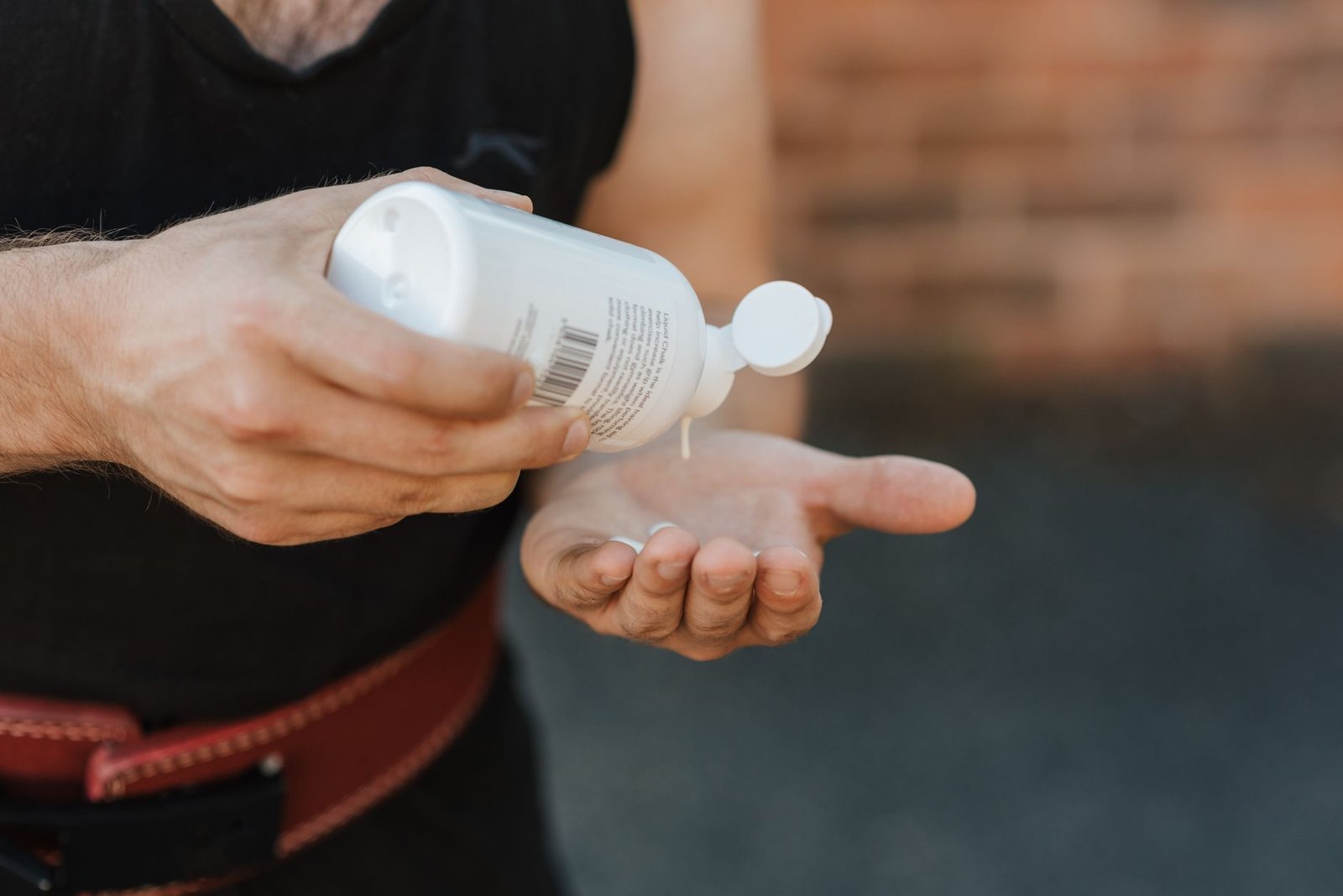
Introduction: Understanding Liquid Chalk for Enhanced Grip
For enthusiasts of rock climbing and bouldering across India, achieving a consistent, reliable grip is paramount. Whether you’re tackling a challenging problem at a state-of-the-art climbing gym in Bangalore, scaling an indoor wall in Delhi, or training for outdoor adventures in the Himalayas, your hands are your primary connection to the rock. Traditional chalk, while effective, often comes with a host of issues, from excessive dust to inconsistent coverage. This is where liquid chalk for gym climbing steps in, revolutionising how climbers approach grip enhancement. It offers a cleaner, more durable, and often superior alternative to its powdered counterpart, quickly becoming a staple in many climbers’ gear bags. This comprehensive guide will delve deep into the world of liquid chalk, helping you understand its benefits, compare your options, and make an informed decision to elevate your climbing performance.
In the vibrant and rapidly growing Indian climbing scene, where new gyms are constantly emerging and the community is thriving, optimising your equipment can make a significant difference. From beginners taking their first steps on vertical terrain to seasoned pros pushing their limits, everyone can benefit from a better understanding of their gear. Liquid chalk, formulated to provide a long-lasting, dust-free grip, addresses many of the common frustrations associated with traditional chalk. Its unique composition helps minimise airborne particles, making it a preferred choice for indoor gyms, and its superior adherence to the skin often translates into fewer re-applications and a more focused climbing experience. Join us as we explore everything you need to know about selecting and using the best liquid chalk for your climbing endeavours.
The Essential Guide to Liquid Chalk for Gym Climbing: What It Is and Why It Matters
Liquid chalk is not just powdered chalk mixed with water; it’s a sophisticated formulation designed for specific advantages. Typically, it consists of magnesium carbonate (the active ingredient in all climbing chalk) suspended in an alcohol-based solution, often with other agents that aid in quick drying and skin adhesion. When applied to the hands, the alcohol evaporates rapidly, leaving behind a fine, even layer of magnesium carbonate that significantly enhances friction and absorbs sweat. This process creates a superior, longer-lasting coating compared to simply dipping your hands into a chalk bag, which often results in uneven application and a quick dissipation of the chalk.
The rise of liquid chalk is particularly relevant in the context of modern climbing gyms, especially in India, where air quality and cleanliness are increasingly important considerations. Many gyms are now encouraging or even mandating the use of liquid chalk due to its dust-reducing properties. This not only creates a healthier environment for climbers and staff but also reduces the wear and tear on gym equipment and ventilation systems. Beyond the environmental benefits, liquid chalk offers tangible performance advantages, providing a more consistent and reliable grip that can be crucial on demanding routes or during intense bouldering sessions. Understanding its composition and function is the first step towards appreciating its value.
Understanding the Science Behind Liquid Chalk
At its core, all climbing chalk relies on magnesium carbonate (MgCO3) to absorb moisture and increase friction. Liquid chalk, however, optimises the delivery and adherence of this crucial compound. The alcohol base, typically ethanol or isopropyl alcohol, serves multiple purposes. Firstly, it acts as a solvent, allowing the magnesium carbonate particles to be evenly dispersed in a liquid form. Secondly, and critically for climbers, alcohol is an excellent degreaser and dehydrator. When applied to the hands, it quickly evaporates, taking with it any surface oils and moisture, leaving the skin perfectly primed for the magnesium carbonate to bind. This rapid drying action ensures that the chalk layer is formed almost instantly, without leaving any sticky or wet residue.
Furthermore, some liquid chalk formulations include binders or thickening agents that help the magnesium carbonate adhere more effectively to the skin. These additives contribute to the chalk’s durability, meaning it stays on your hands longer, reducing the need for frequent re-application. This scientific approach to grip enhancement results in a chalk layer that is not only more consistent but also more resistant to being rubbed off by contact with holds, sweat, or friction. For climbers in humid Indian climates, where sweat management is a constant battle, this extended adhesion can be a game-changer, allowing for more sustained focus on the climb rather than on re-chalking.
Liquid Chalk vs. Traditional Powder Chalk: A Head-to-Head Comparison
Choosing between liquid chalk and traditional powder chalk often comes down to personal preference and specific climbing conditions. However, a direct comparison reveals distinct advantages for liquid chalk, especially in a gym setting.
- Dust Control: This is perhaps the most significant advantage of liquid chalk. Traditional powder chalk creates a visible cloud of dust with every application, contributing to poor air quality, dirty holds, and respiratory irritation. Liquid chalk, once dried, leaves virtually no airborne dust, making it ideal for indoor gyms and for climbers sensitive to chalk dust.
- Grip Durability: Liquid chalk typically provides a more durable and longer-lasting grip. The alcohol base ensures a thorough application that binds better to the skin, meaning fewer re-applications during a climb. This can be a major benefit on longer routes or sequences where stopping to re-chalk is not feasible.
- Application Consistency: Applying liquid chalk results in an even, thin layer across the entire palm and fingers. Powder chalk, especially from a chalk bag, can be uneven, leaving some areas under-chalked and others excessively coated.
- Cleanliness: Liquid chalk is inherently cleaner. It doesn’t leave powdery residue on your clothes, gear, or the gym floor. This is a big plus for maintaining a tidy climbing environment and keeping your gear pristine.
- Initial Drying Time: While liquid chalk provides a long-lasting grip, it requires a short initial drying time (usually 10-30 seconds) after application. Powder chalk is instant. However, this brief wait is often a small trade-off for the extended benefits.
- Cost: Per use, liquid chalk can sometimes feel more expensive upfront, but its longevity often balances this out over time. In India, prices for a 100ml bottle can range from INR 400 to INR 1200 depending on the brand and formulation.
- Versatility: Many climbers use a combination, starting with liquid chalk for a base layer and then using a small amount of powder chalk in a bag for quick touch-ups during longer climbs.
For those prioritising a clean environment, durable grip, and consistent performance, especially in indoor settings, liquid chalk presents a compelling case. GameOnGlow advocates for choices that enhance performance while being mindful of the environment, and liquid chalk perfectly aligns with this philosophy.
Key Features to Consider When Choosing Liquid Chalk for Climbing
With a growing number of liquid chalk brands available in the Indian market, making the right choice can seem daunting. However, by focusing on a few key features, you can narrow down your options and find the perfect product to suit your climbing style and needs. Understanding these characteristics will empower you to compare different formulations effectively and invest in a liquid chalk that truly enhances your performance on the wall, whether you’re tackling V0 problems or projecting V10s.
Alcohol Content and Drying Time
The alcohol content in liquid chalk is crucial as it dictates both the drying time and the effectiveness of the initial degreasing action. Higher alcohol concentrations, typically above 70%, will evaporate more quickly, leaving your hands dry and chalked within 10-20 seconds. This rapid drying is beneficial for climbers who want to get on the wall without much delay. However, very high alcohol content can also be more drying to the skin, which might be a concern for individuals with sensitive skin or those who climb frequently. Lower alcohol content might take a bit longer to dry but could be gentler on the hands. It’s a balance you need to consider based on your skin type and your preferred speed of application. Some brands explicitly state their alcohol percentage, while others require a bit of experimentation to find what works best for you. Learn more about The Ultimate Guide to Liquid Chalk Gym Climbing for Indian Climbers
Grip Enhancement and Durability
The primary purpose of liquid chalk is to enhance grip and maintain it throughout your climb. This is largely determined by the quality and fineness of the magnesium carbonate used, as well as any additional binding agents. A good liquid chalk should provide a noticeable increase in friction, allowing you to hold onto smaller crimps and slopers with greater confidence. Durability refers to how long the chalk layer remains effective on your hands before needing re-application. Superior formulations will adhere strongly to the skin, resisting sweat and abrasion, thus allowing you to focus on your moves rather than constantly re-chalking. Look for reviews that mention long-lasting grip and excellent friction. Some climbers prefer a thicker, more noticeable chalk layer, while others prefer a very thin, almost invisible coating that still provides maximum friction. Experimentation is key to finding your ideal balance. Learn more about The Ultimate Guide to GameOnGlow Liquid Chalk Gym in India
Skin Health and Additives
While performance is crucial, the long-term health of your skin is equally important, especially for dedicated climbers. Frequent use of liquid chalk, particularly those with high alcohol content, can lead to dry, cracked skin if not managed properly. Some liquid chalk brands incorporate skin-friendly additives like rosin, essential oils, or moisturisers to counteract the drying effects of alcohol and improve overall skin condition. Rosin, for example, can enhance tackiness, while moisturisers help keep hands supple. However, climbers with allergies should be cautious and check ingredient lists for potential irritants. If you have sensitive skin, opting for a formulation that explicitly states it’s skin-friendly or contains hydrating agents might be a better choice. Always test a new product on a small patch of skin first if you have known sensitivities. Learn more about The Ultimate Guide to GameOnGlow Liquid Chalk Gym Climbing
Packaging and Portability
The practical aspects of liquid chalk, such as its packaging and portability, should not be overlooked. Most liquid chalk comes in squeeze bottles, typically ranging from 50ml to 250ml. Smaller bottles are excellent for portability, easily fitting into a climbing bag or even a pocket, making them convenient for quick gym sessions or travel. Larger bottles offer better value for money but might be less convenient to carry around constantly. Consider the bottle’s design: is the cap secure to prevent leaks? Is the opening wide enough for easy dispensing but not so wide that it dispenses too much? A robust, leak-proof bottle is essential, especially when you’re carrying it alongside other gear. For Indian climbers who often commute to different gyms or travel for outdoor climbing trips, a well-designed, portable bottle is a significant advantage.
Navigating the Indian Market: Best Liquid Chalk Options and Price Points
The Indian climbing market, though relatively nascent compared to Western countries, is rapidly expanding, bringing with it a greater variety of climbing gear, including liquid chalk. While specific brand availability can fluctuate, several international and emerging Indian brands are making their mark. When looking for liquid chalk in India, you’ll find options ranging from budget-friendly choices perfect for beginners to premium formulations designed for serious climbers. Understanding the typical price points and what to expect from each category will help you make a smart purchase without overspending or compromising on quality. Online retailers like Amazon India, Decathlon, and specialized climbing gear stores are excellent places to start your search, often offering a wider selection than local sports shops.
It’s important to remember that ‘best’ is subjective and depends heavily on individual needs, skin type, and climbing frequency. However, we can guide you on what to look for and how to evaluate options available in India, keeping in mind the humid climate and diverse climbing conditions. Some popular international brands like Black Diamond, Petzl, and Metolius might be available through specific distributors, while more niche climbing brands are also making their way. Locally, some smaller manufacturers are also beginning to produce liquid chalk, often at more competitive price points. Always check for product reviews from other Indian climbers, as their experiences with local conditions and availability will be most relevant.
Budget-Friendly Choices for Beginners
For those new to climbing or looking to try liquid chalk without a significant investment, there are several budget-friendly options available in India. These products typically come in smaller bottles (50ml-100ml) and are priced in the range of INR 400 to INR 700. While they might not boast the advanced additives of premium brands, they generally provide effective grip enhancement and good dust control. These are excellent for getting a feel for liquid chalk and understanding how it interacts with your skin and climbing style. Look for brands that clearly state their magnesium carbonate content and alcohol base. Decathlon’s in-house brand, Simond, often offers accessible climbing accessories, and you might find their liquid chalk to be a good starting point. Online marketplaces frequently feature unbranded or lesser-known brands at competitive prices; just ensure they have decent reviews regarding efficacy and skin safety. For beginners, the goal is often consistent, basic grip, and these options deliver without breaking the bank.
Premium Formulations for Serious Climbers
Serious climbers, who are on the wall multiple times a week or tackling advanced routes, often benefit from premium liquid chalk formulations. These products, typically priced from INR 800 to INR 1200+ for a 100ml bottle, often feature higher-grade magnesium carbonate, advanced binding agents, and skin-conditioning ingredients. They are designed for maximum durability, superior friction, and minimal impact on skin health over prolonged use. Brands like Black Diamond Liquid White Gold, Metolius Liquid Chalk, or Petzl Power Liquid are examples of premium options that might be available through specialized climbing stores or online importers in India. These formulations often provide an extra edge in terms of grip longevity, reducing the need for re-chalking mid-crux and allowing for more focused climbing. When investing in a premium product, pay attention to specific claims like “extra grip,” “long-lasting,” or “skin-friendly” and cross-reference them with user reviews. For competitive climbers or those aiming for peak performance, the incremental benefits offered by these advanced liquid chalks can be well worth the investment.
How to Maximize Your Grip: Proper Application and Usage of Liquid Chalk
Having the best liquid chalk is only half the battle; knowing how to apply and use it effectively is equally crucial for maximising your grip and performance. Many climbers simply squeeze some onto their hands and rub it in, but a more strategic approach can yield significantly better results. Proper application ensures an even coating, optimal drying, and maximum adherence, leading to a more consistent and reliable grip throughout your climbing session. This section will guide you through the best practices for incorporating liquid chalk into your climbing routine, ensuring you get the most out of every application and maintain peak hand performance on the wall. Remember, even the finest liquid chalk requires proper technique to unlock its full potential.
Pre-Climb Routine and Application Techniques
Your pre-climb routine sets the stage for your session, and proper liquid chalk application is a key component. Start by ensuring your hands are clean and dry. Wash your hands with soap and water if they are oily or sweaty, then dry them thoroughly. If you have particularly oily skin, a quick wipe with an alcohol swab before applying liquid chalk can further enhance its effectiveness. Dispense a small, coin-sized amount of liquid chalk into the palm of one hand. The exact amount will vary depending on the product’s consistency and your hand size, so start small and adjust as needed. Rub your hands together thoroughly, making sure to cover all surfaces: palms, fingers (front and back), and between the fingers. Pay special attention to the fingertips, as these are your primary contact points with the holds. Continue rubbing until the alcohol has completely evaporated and your hands feel dry and chalked. This usually takes 10-30 seconds. Avoid blowing on your hands, as this can introduce moisture. Once dry, you should feel a distinct, non-tacky layer of chalk that enhances friction. Allow this base layer to fully set before grabbing the first hold. This initial application should provide a strong, long-lasting grip for several climbs or a significant portion of a route.
Combining Liquid Chalk with Other Grip Aids
While liquid chalk provides an excellent base layer, many experienced climbers, especially those in India’s humid conditions, find benefit in combining it with other grip aids for optimal performance. The most common combination is using liquid chalk as a foundational layer and then supplementing with a small amount of traditional powder chalk from a chalk bag for quick touch-ups during a climb. This strategy leverages the best of both worlds: the superior, long-lasting base grip of liquid chalk and the instant, on-demand sweat absorption of powder chalk. If you choose this method, apply liquid chalk as described above, let it dry completely, and then proceed with your climbing. If you feel your hands getting sweaty or losing grip mid-route, a quick dip into your chalk bag can provide the necessary refresh without having to re-apply liquid chalk. Some climbers also use climbing tape to protect skin or provide extra grip on specific holds; liquid chalk can be applied over taped fingers as well. However, be cautious with other “grip enhancers” or sticky substances, as many gyms discourage or ban their use due to residue left on holds. GameOnGlow always recommends adhering to gym rules and maintaining a clean climbing environment.
Beyond the Grip: Maintenance, Hygiene, and Longevity of Your Liquid Chalk
While the immediate benefits of liquid chalk on your climbing performance are clear, understanding its proper maintenance, hygiene, and how to prolong its lifespan is equally important. Just like any other piece of climbing gear, a little care goes a long way in ensuring your liquid chalk remains effective and doesn’t become a source of frustration. From preventing your bottle from drying out prematurely to knowing how to clean up after a session, these practical tips will help you maximise your investment and maintain a clean, efficient climbing routine. Especially for frequent climbers in India, where varying temperatures and humidity can affect product shelf life, these considerations are vital.
Storage Tips to Prevent Drying Out
The alcohol content that makes liquid chalk so effective also makes it susceptible to drying out if not stored correctly. The primary goal is to prevent the alcohol from evaporating prematurely. Always ensure the cap is tightly sealed after each use. A loose cap is the quickest way for your liquid chalk to become a solid, unusable block. Store the bottle in a cool, dry place, away from direct sunlight or extreme heat, such as inside a hot car. High temperatures accelerate alcohol evaporation. If you live in a particularly hot or dry region of India, consider storing your liquid chalk in an airtight container or even a refrigerator (if the product instructions permit and it’s not exposed to freezing temperatures). If your liquid chalk does start to thicken, you might be able to revive it by adding a tiny amount of isopropyl alcohol (rubbing alcohol) and shaking vigorously, but be very cautious not to dilute it too much, which can compromise its effectiveness. Prevention is always better than cure, so meticulous capping and cool storage are your best defence.
Cleaning Your Hands and Equipment
One of the advantages of liquid chalk is its reduced mess, but proper hygiene after a climbing session is still important. After you’ve finished climbing, it’s a good practice to wash your hands thoroughly with soap and water to remove any residual chalk. While liquid chalk is less dusty, it still leaves a layer of magnesium carbonate, which, if left on the skin, can contribute to dryness over time. Following up with a good hand moisturiser, especially one designed for climbers, will help replenish moisture and keep your skin healthy and resilient for your next session. As for your climbing equipment, liquid chalk leaves minimal residue compared to powder. However, if you notice any chalk buildup on your harness, ropes, or quickdraws, a damp cloth is usually sufficient to wipe it away. For holds in gyms, the reduced dust from liquid chalk means less frequent and less intensive cleaning is required by staff, contributing to a cleaner overall climbing environment for everyone. GameOnGlow believes in responsible climbing, which includes maintaining personal and communal hygiene standards.
FAQs About Liquid Chalk Gym Climbing
To further assist you in making an informed decision about liquid chalk for gym climbing, here are answers to some frequently asked questions:
Is liquid chalk for gym climbing allowed in all Indian climbing gyms?
While many Indian climbing gyms encourage or even prefer the use of liquid chalk due to its dust-reducing properties and cleaner environment, it’s always best to check with your specific gym. Some gyms might have strict policies, while others are more lenient. Generally, the trend is towards greater acceptance of liquid chalk, but a quick inquiry at the reception can confirm their current guidelines.
How much liquid chalk should I apply for a typical climbing session?
A small, coin-sized amount (roughly 1-2 ml) is usually sufficient for a full hand application. The key is to cover all surfaces evenly until dry. Over-applying won’t necessarily give you a better grip and can lead to excessive residue or a longer drying time. You’ll quickly learn the optimal amount for your hands and the specific product you’re using after a few sessions.
Can liquid chalk dry out my hands, especially in India’s climate?
Yes, the alcohol content in liquid chalk can be drying to the skin, particularly with frequent use. This effect might be exacerbated in dry Indian climates or if you have naturally sensitive skin. To mitigate this, choose formulations that include skin-conditioning agents, wash your hands thoroughly after climbing, and regularly use a high-quality hand moisturiser. GameOnGlow offers various wellness products that can help with skin recovery.
What is the typical shelf life of liquid chalk?
Unopened, most liquid chalk has a shelf life of 2-3 years. Once opened, if stored properly with a tightly sealed cap in a cool, dry place, it can last for 6-12 months or even longer. The main concern is the evaporation of alcohol, which will cause the chalk to thicken or dry out. Always check the expiration date on the packaging if available.
Is liquid chalk more expensive than traditional chalk in India?
Per use, liquid chalk can sometimes have a higher upfront cost compared to a block or bag of traditional chalk. However, because it often provides a more durable and longer-lasting grip, requiring fewer re-applications, its cost-effectiveness over time can be comparable or even better. Premium liquid chalks will naturally be more expensive, but budget-friendly options are available in India.
Can I make my own liquid chalk?
While DIY recipes for liquid chalk exist, it’s generally not recommended. Achieving the correct ratio of magnesium carbonate to alcohol, along with any binding agents, is crucial for optimal performance, drying time, and skin safety. Commercial products are formulated under controlled conditions to ensure consistency and effectiveness. For the best results and safety, it’s advisable to purchase professionally manufactured liquid chalk.
Conclusion: Making Your Informed Choice for Liquid Chalk
The journey to mastering the art of climbing involves continuous learning, adaptation, and optimising every aspect of your gear. When it comes to grip enhancement, liquid chalk for gym climbing has emerged as a superior alternative for many, offering a cleaner, more durable, and consistent solution than traditional powder chalk. Its ability to minimise dust, provide a long-lasting base layer, and adapt to the specific needs of modern indoor climbing environments makes it an invaluable tool for climbers of all levels across India.
By understanding the science behind liquid chalk, considering key features like alcohol content, grip durability, and skin health, and navigating the diverse options available in the Indian market, you are now equipped to make an informed decision. Whether you opt for a budget-friendly beginner’s choice or a premium formulation, proper application and storage will ensure you get the most out of your product. GameOnGlow encourages all climbers to prioritise both performance and environmental responsibility, and liquid chalk perfectly embodies this balance. Choose wisely, climb confidently, and let your grip be the least of your worries as you ascend to new heights.