
Introduction: Understanding Liquid Chalk Gym Climbing
In the exhilarating world of gym climbing, grip is paramount. Every climber, from the beginner scaling their first vertical challenge to the seasoned enthusiast tackling advanced routes, understands the critical role of strong, reliable hand friction. Traditionally, climbers have relied on powdered magnesium carbonate, commonly known as chalk, to absorb sweat and enhance grip. However, a revolutionary alternative has been gaining significant traction: liquid chalk gym climbing. This innovative product offers a distinct set of advantages, transforming the way climbers approach their sessions.
Liquid chalk is a game-changer for many reasons. It’s a blend of magnesium carbonate and an alcohol-based solution, designed to provide a superior, longer-lasting grip with minimal dust. For the rapidly growing Indian climbing community, where gyms are flourishing in cities like Bengaluru, Mumbai, Delhi, and Pune, understanding the nuances of liquid chalk is becoming increasingly important. It addresses common concerns such as chalk dust in the air, inconsistent grip, and hygiene, making it an attractive option for both personal use and gym environments.
This comprehensive guide aims to demystify liquid chalk gym climbing for the Indian audience. We will explore what it is, how it works, its numerous benefits, and practical tips for optimal use. Whether you are new to climbing or looking to enhance your performance, this guide will provide you with all the essential information to make an informed decision and elevate your climbing experience. Prepare to discover how this simple yet effective product can significantly improve your time on the wall, ensuring a safer and more enjoyable climb.
What is Liquid Chalk and How Does It Work for Gym Climbing?
At its core, liquid chalk is a sophisticated formulation designed to deliver the benefits of traditional climbing chalk in a more controlled and efficient manner. It typically consists of two primary ingredients: magnesium carbonate (MgCO₃) and an alcohol solution, often isopropyl alcohol or ethanol. Magnesium carbonate is the active ingredient responsible for absorbing moisture and increasing friction, while the alcohol serves as a carrier that evaporates quickly, leaving a fine, even layer of chalk on the hands.
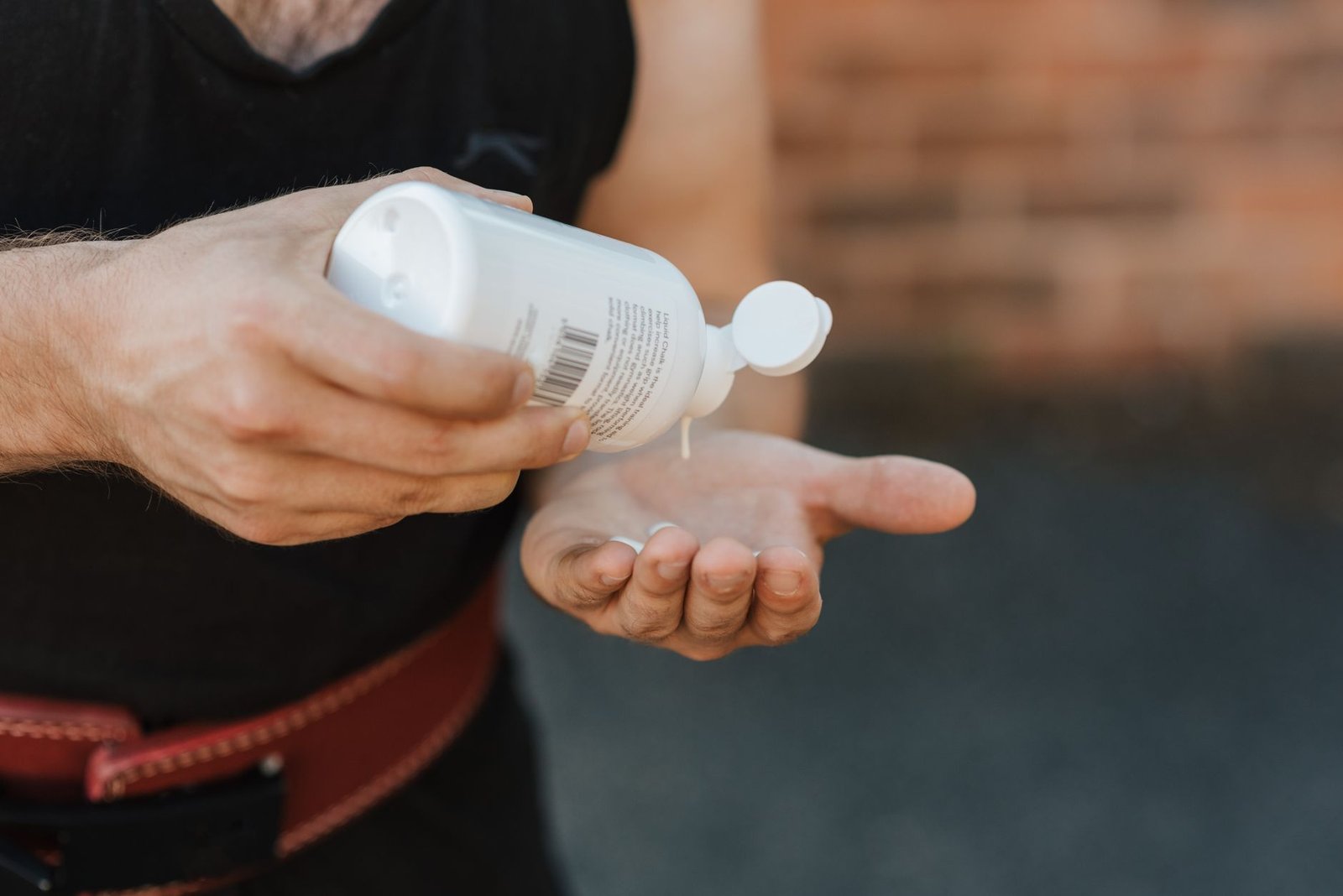
When you apply liquid chalk to your hands, you’ll notice it has a consistency similar to a thick hand sanitiser. As you rub your hands together, the alcohol component rapidly evaporates. This evaporation process is crucial for several reasons. Firstly, it quickly dries out any moisture on your hands, including sweat, creating an immediate sense of dryness. Secondly, as the alcohol dissipates, it leaves behind an exceptionally thin, uniform coating of magnesium carbonate that adheres much more effectively to the skin’s surface compared to loose powder.
This adherence is key to its performance in gym climbing. Unlike powdered chalk, which can rub off easily or clump up, the finely dispersed particles of liquid chalk create a consistent, reliable layer. This layer fills the microscopic ridges and valleys of your skin, increasing the surface area and friction between your hands and the climbing holds. The result is a significantly enhanced grip that lasts longer, reducing the need for frequent reapplication and allowing you to focus more on your technique and movement.
The Science Behind the Grip Enhancement
The effectiveness of liquid chalk in improving grip for gym climbing lies in its unique application and chemical properties. Magnesium carbonate is a hygroscopic substance, meaning it readily absorbs moisture. When applied to the hands, it acts like a sponge, drawing sweat and oils away from the skin. This reduction in moisture is vital because wet or oily hands drastically decrease friction, making holds feel slick and insecure.
- Moisture Absorption: The primary function of the magnesium carbonate is to absorb sweat. This creates a dry surface, which is essential for maximizing friction between your skin and the climbing holds.
- Increased Friction: By creating a dry, chalked surface, liquid chalk significantly increases the coefficient of friction. This means your hands can generate more grip against the holds, preventing slips and falls.
- Even Distribution: The alcohol carrier ensures that the magnesium carbonate is spread evenly across the entire surface of your hands. This uniform layer provides consistent grip across all parts of your palm and fingers, unlike traditional chalk which can clump or leave bare spots.
- Enhanced Adhesion: The rapid evaporation of alcohol helps the chalk particles bond better with the skin. This results in a more durable chalk layer that withstands the rigours of climbing, reducing the frequency of re-chalking.
Moreover, the antibacterial properties of the alcohol in liquid chalk contribute to better hygiene, especially in shared gym environments. This makes it a preferred choice for many climbers who are conscious about cleanliness and health, particularly in communal spaces like indoor climbing gyms across India. The scientific blend ensures that your hands are not just dry, but optimally prepared for the demanding task of gripping various textures and shapes of climbing holds.
Why Choose Liquid Chalk for Your Gym Climbing Sessions?
The decision to switch from traditional powdered chalk to liquid chalk for your gym climbing sessions comes with a host of compelling advantages. For climbers in India, where indoor climbing is rapidly gaining popularity, these benefits can significantly impact performance, comfort, and the overall climbing experience. From improved grip to better gym environments, liquid chalk presents a strong case for its adoption.
Liquid Chalk vs. Traditional Chalk: A Comparative Look
To truly appreciate the value of liquid chalk, it’s helpful to understand its differences and advantages over conventional powdered chalk.
- Superior and Longer-Lasting Grip:
- Liquid Chalk: The alcohol-based formula ensures a very fine, even layer of magnesium carbonate that adheres strongly to the skin. This provides a consistent, superior grip that lasts much longer through multiple moves and even entire routes. Climbers often report needing to re-chalk less frequently, allowing for more fluid and uninterrupted climbing.
- Traditional Chalk: While effective, powdered chalk can be less consistent. It tends to rub off more easily, requiring frequent reapplication. This can interrupt your flow and mental focus, especially on longer or more technical climbs.
- Reduced Dust and Improved Air Quality:
- Liquid Chalk: One of the most significant benefits, especially in indoor settings, is the dramatic reduction in airborne dust. Since the chalk is applied wet and dries on your hands, very little powder becomes aerosolized. This leads to a cleaner climbing environment and better air quality for everyone.
- Traditional Chalk: Powdered chalk creates a visible cloud of dust, particularly in busy gyms. This dust can irritate respiratory passages, worsen allergies, and create a hazy atmosphere, impacting both climbers and gym staff.
- Enhanced Hygiene:
- Liquid Chalk: The alcohol content in liquid chalk acts as a sanitiser, killing bacteria and viruses on your hands. This is a considerable advantage in shared gym spaces, promoting better hand hygiene and reducing the spread of germs, a crucial consideration in health-conscious times.
- Traditional Chalk: Powdered chalk offers no sanitising properties. In fact, shared chalk bags can potentially become breeding grounds for bacteria if not cleaned regularly.
- Cleaner Gyms and Less Mess:
- Liquid Chalk: With less dust, gyms that encourage or mandate liquid chalk often appear cleaner. There’s less chalk residue on holds, mats, and the floor, reducing the maintenance burden for gym owners and providing a more pleasant aesthetic for climbers.
- Traditional Chalk: Powdered chalk leaves visible white marks on holds, clothing, and the surrounding floor. This can make holds look dirty and require more frequent cleaning by gym staff.
- Economical in the Long Run:
- Liquid Chalk: Although the initial cost of a bottle of liquid chalk might seem higher (typically ranging from ₹400-₹800 for a good quality bottle), its longevity often makes it more cost-effective. Because you use less per application and re-chalk less frequently, a single bottle can last a surprisingly long time.
- Traditional Chalk: While a block or bag of powdered chalk is cheaper per unit, the amount used per session can add up, especially for frequent climbers.
For the Indian climbing scene, which often operates in diverse climates, including humid conditions, the sustained grip and moisture absorption of liquid chalk are particularly beneficial. Brands like GameOnGlow understand the unique needs of Indian athletes, providing products that enhance performance and well-being. Choosing liquid chalk not only elevates your personal climbing experience but also contributes positively to the communal gym environment, making it a win-win for everyone involved. Learn more about The Ultimate Guide to GameOnGlow Liquid Chalk Gym in India
How to Properly Apply and Use Liquid Chalk for Optimal Performance
Mastering the application of liquid chalk is crucial to unlocking its full potential in your gym climbing sessions. While it might seem straightforward, a proper technique ensures maximum grip, longevity, and hygiene. Follow these steps to get the most out of your liquid chalk, whether you’re tackling a challenging boulder problem or a long lead route. Learn more about The Ultimate Guide to GameOnGlow Liquid Chalk Gym Climbing
Maximising Your Climb: Application Best Practices
- Start with Clean, Dry Hands: Before applying liquid chalk, ensure your hands are clean and completely dry. Wash them with soap and water if necessary, and dry them thoroughly. Any residual dirt, oil, or moisture can hinder the chalk’s effectiveness.
- Dispense a Small Amount: Squeeze a coin-sized amount (approximately 1-2 ml, depending on the product’s consistency and your hand size) into the palm of one hand. Remember, a little goes a long way with liquid chalk. Over-applying can lead to a thick, caked layer that might peel off.
- Spread Evenly: Rub your hands together thoroughly, as if you’re applying hand sanitiser. Make sure to cover all surfaces: palms, fingers (front and back), and between your fingers. Pay special attention to the fingertips, as these are your primary contact points with the holds.
- Allow to Dry Completely: This is a critical step. Fan your hands or wave them in the air for 10-30 seconds until the alcohol has fully evaporated and your hands feel completely dry and chalked. You should see a uniform white coating. Do not touch any holds until your hands are dry, as this can transfer wet chalk and make the holds slippery.
- Reapply as Needed: While liquid chalk offers a longer-lasting grip, you may still need to reapply during longer sessions or particularly intense climbs. However, you’ll find the frequency of reapplication is significantly less than with powdered chalk. Reapply when you feel your grip diminishing or your hands starting to sweat again.
- Consider a Chalk Bag for Top-Ups: Some climbers prefer to use liquid chalk as a base layer and then use a small amount of powdered chalk (or a chalk ball) in a chalk bag for quick top-ups during a climb. This can be a good hybrid approach, especially for routes that require multiple chalking opportunities.
- Post-Climb Hand Care: Liquid chalk, due to its alcohol content, can sometimes lead to dry skin over time. After your climbing session, wash your hands thoroughly to remove all chalk and apply a good quality hand moisturiser. Products from brands like GameOnGlow, which focus on overall wellness, often include excellent skincare options that can help maintain healthy hands for consistent climbing.
Tips for Indian Climbers: In India’s varied climate, especially during humid seasons, the quick-drying and moisture-absorbing properties of liquid chalk are particularly advantageous. It can help maintain a consistent grip even when the air is thick with moisture. Always store your liquid chalk bottle tightly capped to prevent the alcohol from evaporating, which can thicken the product over time. Experiment with different brands and consistencies to find what works best for your skin type and climbing style. Many climbing gyms in India, particularly those in metropolitan areas, are now encouraging or even mandating the use of liquid chalk to maintain cleaner and healthier environments. Learn more about The Ultimate Guide to GameOnGlow Liquid Chalk Gym for Indian Fitness Enthusiasts
Addressing Common Concerns and Misconceptions About Liquid Chalk
Despite its growing popularity, liquid chalk for gym climbing still faces some common questions and misconceptions, particularly among those new to the product or traditional chalk users considering a switch. Addressing these concerns is essential for a broader understanding and adoption of this beneficial climbing accessory within the Indian climbing community.
Dispelling Myths: Safety and Practicality
- “Liquid Chalk Dries Out My Skin Too Much.”
Truth: While the alcohol in liquid chalk can be drying, this effect is often exaggerated. Many formulations include skin-conditioning agents to mitigate dryness. The key is proper post-climb hand care. Washing off the chalk thoroughly and applying a good quality hand cream after your session can effectively combat any dryness. In fact, some climbers find liquid chalk less irritating than the constant exposure to abrasive powdered chalk.
- “It’s More Expensive Than Traditional Chalk.”
Truth: The initial price point of a bottle of liquid chalk (ranging from ₹400 to ₹800 for a standard size in India) might be higher than a block of powdered chalk (which could be ₹100-₹200). However, liquid chalk is incredibly efficient. You use a much smaller amount per application, and it lasts significantly longer on your hands, reducing the need for frequent reapplication. Many users find that a single bottle lasts for months of regular climbing, making it comparable, if not more economical, in the long run.
- “Liquid Chalk Doesn’t Provide as Good a Grip as Powdered Chalk.”
Truth: This is often a misconception stemming from improper application or a preference for the “feel” of powdered chalk. When applied correctly and allowed to dry completely, liquid chalk often provides a superior and more consistent grip. The fine, even layer adheres better to the skin, offering sustained friction. Many elite climbers and competition organisers now favour liquid chalk for its reliable performance.
- “It’s Messy to Apply.”
Truth: Liquid chalk is applied directly to the hands and dries on the skin, eliminating the clouds of dust associated with powdered chalk. The only “mess” might be a small amount on the bottle’s nozzle if not wiped clean, or if you accidentally squeeze too much. Compared to the widespread dust and residue from chalk bags, liquid chalk is a much cleaner option for both the climber and the gym environment.
- “Is it Allowed in All Climbing Gyms in India?”
Truth: While most modern climbing gyms in major Indian cities like Bengaluru, Delhi, and Mumbai welcome or even encourage liquid chalk due to its dust-reducing properties, it’s always a good practice to check with your specific gym. Some smaller, older gyms might have different policies, but generally, liquid chalk is well-received for maintaining a cleaner and healthier indoor climbing space.
- “It’s Hard to Find in India.”
Truth: The availability of liquid chalk has dramatically improved in India. You can find it in specialised climbing stores, outdoor gear shops, and increasingly on major e-commerce platforms. Many Indian climbing gyms also stock and sell liquid chalk. As the climbing scene grows, so does the accessibility of quality climbing gear, including liquid chalk.
By understanding these points, climbers can approach liquid chalk with confidence, knowing that its benefits far outweigh any perceived drawbacks. It’s a modern solution designed to enhance the climbing experience, offering both performance advantages and environmental benefits for the thriving Indian climbing community.
Choosing the Right Liquid Chalk and Where to Find It in India
With the increasing popularity of liquid chalk for gym climbing, the market now offers a variety of brands and formulations. Choosing the right one can significantly impact your climbing performance and hand health. For Indian climbers, understanding what to look for and where to purchase can make all the difference.
Key Factors to Consider When Selecting Liquid Chalk:
- Consistency: Liquid chalk varies in consistency, from thin and watery to thick and gel-like. Some climbers prefer a thinner consistency for quick drying and a light coating, while others opt for a thicker gel that provides a more substantial base layer. Experimentation might be necessary to find your preference.
- Drying Time: The alcohol content directly influences drying time. Faster-drying formulas are great for quick reapplication during a climb. However, very fast-drying chalks might also be more potent and potentially more drying to the skin.
- Ingredients and Skin Conditioners: Look for brands that mention skin-friendly ingredients or moisturising agents. While the primary goal is dryness, some liquid chalks include components like essential oils, aloe vera, or other emollients to counteract the drying effect of alcohol, which is especially important for climbers with sensitive skin.
- Grip Longevity: While difficult to gauge without trying, reviews and recommendations can help identify brands known for providing a long-lasting grip. A good liquid chalk should allow you to complete several moves or even a full route without needing to re-chalk.
- Brand Reputation: Reputable climbing brands often invest in research and development to create effective and safe products. While exploring new brands is fine, established names generally offer a reliable starting point.
- Scent: Some liquid chalks have a distinct alcohol smell, which dissipates quickly. Others might have added fragrances. If you are sensitive to smells, this could be a factor to consider.
Where to Purchase Liquid Chalk in India:
The accessibility of climbing gear, including liquid chalk, has vastly improved across India. Here are the primary avenues for purchase:
- Specialised Climbing Stores: Major cities like Bengaluru, Delhi, Mumbai, Pune, and Chennai have dedicated climbing and outdoor adventure stores. These stores often stock a good range of liquid chalk brands, and their staff can provide expert advice.
- Online Retailers: E-commerce platforms such as Amazon India, Flipkart, and dedicated outdoor gear websites are excellent sources. They typically offer a wider selection of international and domestic brands, often at competitive prices. Always check seller reviews and product authenticity.
- Climbing Gyms: Many indoor climbing gyms across India, especially the larger and more modern facilities, sell liquid chalk directly. This is convenient as you can often try a sample or get recommendations from fellow climbers and instructors.
- Sports Goods Stores: Larger multi-sport retailers might carry some basic climbing accessories, including liquid chalk, although their selection might be limited compared to specialised stores.
When shopping, consider buying a smaller bottle first to test if the product suits your needs and skin. Prices for a 100ml bottle typically range from ₹400 to ₹800, depending on the brand and formulation. Investing in quality liquid chalk is an investment in your climbing performance and hand health. Look for brands that align with your values, much like GameOnGlow’s commitment to quality sports and wellness products, ensuring you get a reliable and effective solution for your gym climbing adventures.
FAQs About Liquid Chalk Gym Climbing
Is liquid chalk allowed in all Indian climbing gyms?
Generally, yes, liquid chalk is widely accepted and often encouraged in most modern Indian climbing gyms, particularly in metropolitan areas. Its dust-reducing properties help maintain cleaner air and facilities. However, it’s always best practice to check with your specific gym’s policy beforehand, especially if it’s a smaller or older establishment. Most gyms appreciate the reduced mess and improved air quality that liquid chalk offers.
How long does a bottle of liquid chalk typically last for a regular climber?
The longevity of a bottle of liquid chalk (e.g., 100ml) depends on several factors: frequency of climbing, amount used per application, and personal preference. For a regular climber who goes 2-3 times a week, a single bottle can easily last anywhere from 2 to 4 months. Since liquid chalk provides a longer-lasting grip, you use less per session compared to powdered chalk, making it quite economical in the long run.
Can liquid chalk harm my skin or cause allergic reactions?
While the alcohol content in liquid chalk can be drying to the skin, especially with frequent use, it rarely causes significant harm or severe allergic reactions for most people. Some individuals with very sensitive skin might experience mild irritation. To mitigate dryness, always wash your hands thoroughly after climbing and apply a good quality hand moisturiser. If you have known allergies, check the ingredient list for potential irritants. Many brands now include skin-conditioning agents to reduce dryness.
What is the main difference in grip feel between liquid chalk and traditional powdered chalk?
The main difference lies in consistency and longevity. Liquid chalk provides a very fine, even, and long-lasting coating that adheres strongly to the skin, offering a consistent, “sticky-dry” feel. It reduces the need for frequent re-chalking, allowing for uninterrupted climbs. Traditional powdered chalk, while effective, tends to be more immediate but also more prone to rubbing off, requiring more frequent reapplication and giving a looser, drier feel that can sometimes feel inconsistent.
Is liquid chalk better for bouldering or rope climbing?
Liquid chalk is highly effective for both bouldering and rope climbing. For bouldering, where intense, short bursts of effort are common, the strong, consistent initial grip is invaluable. For rope climbing (lead or top-rope), where climbs are longer and require sustained grip over many moves, the longevity of liquid chalk reduces the need to re-chalk mid-route, which can be challenging or impossible depending on the climb. Many climbers use it as a base layer for both disciplines, sometimes supplementing with a small chalk bag for quick touch-ups on longer routes.
Conclusion: Final Thoughts on Liquid Chalk Gym Climbing
The advent of liquid chalk has undeniably brought a significant evolution to the world of gym climbing, offering a modern, efficient, and cleaner alternative to traditional powdered chalk. For the vibrant and expanding Indian climbing community, embracing liquid chalk gym climbing means not just an upgrade in personal performance but also a contribution to healthier and more enjoyable climbing environments in gyms across the nation.
From its superior, long-lasting grip and reduced dust to enhanced hygiene and economic efficiency, the benefits of liquid chalk are clear. It empowers climbers to focus more intensely on their technique and movement, free from the distractions of constantly re-chalking or concerns about sweaty hands. While initial perceptions might raise questions about cost or skin dryness, a deeper understanding reveals that these concerns are often easily addressed with proper application and post-climb care.
As you continue your climbing journey, we encourage you to experience the advantages of liquid chalk firsthand. Experiment with different brands, find the consistency that suits you best, and observe how it transforms your grip and confidence on the wall. Remember to prioritise hand care, perhaps exploring quality wellness products like those offered by GameOnGlow, to keep your hands in prime condition for every ascent.
Ultimately, liquid chalk is more than just a climbing accessory; it’s a tool that supports better performance, fosters cleaner gyms, and enhances the overall climbing experience for everyone. Embrace this innovation and let your hands experience the difference it makes in scaling new heights in your gym climbing adventures.