
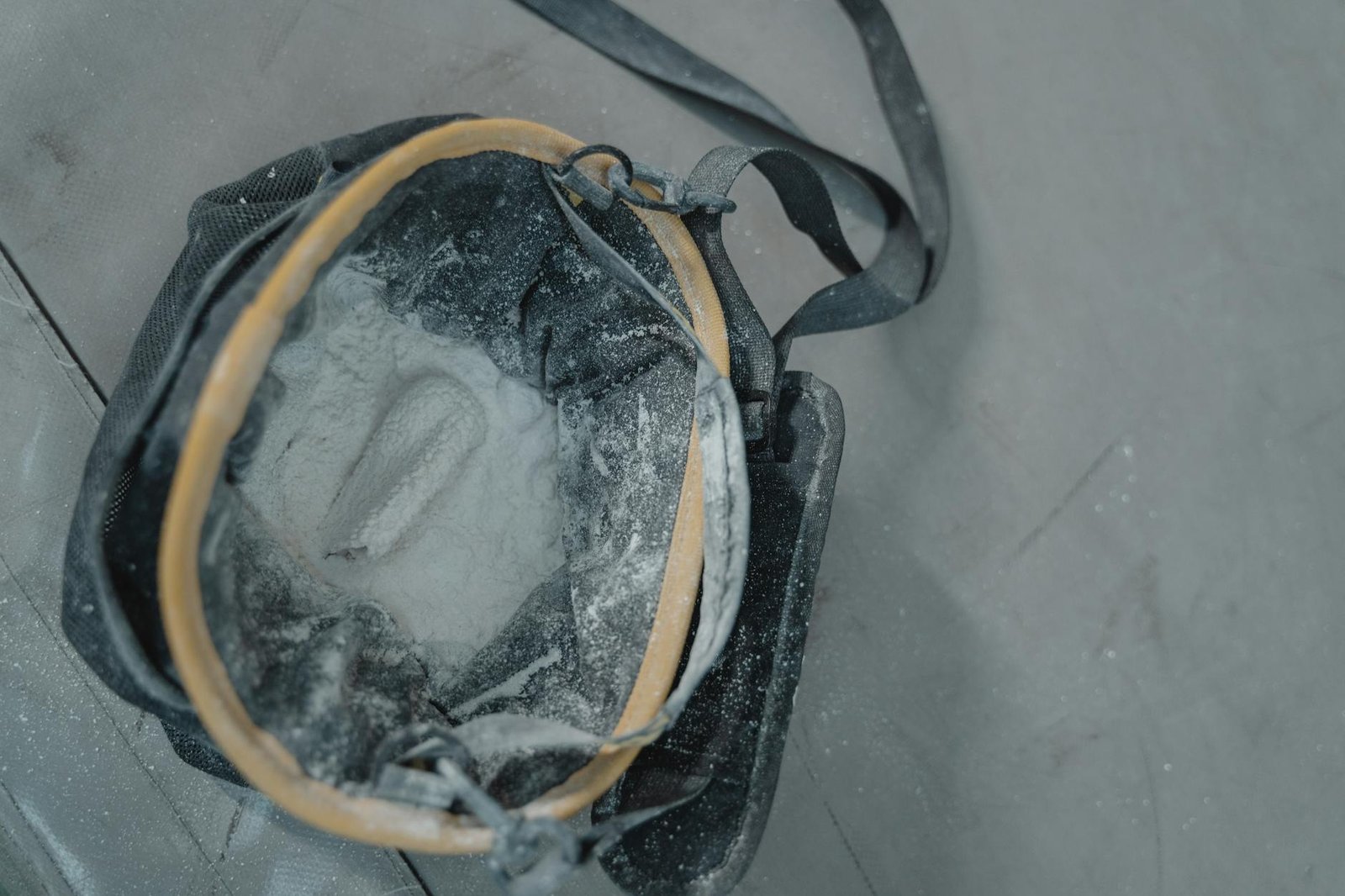
Introduction: Understanding Gym Climbing Hand Chalk
For any climber, whether scaling the challenging rock faces of the Western Ghats or navigating the intricate routes in an urban bouldering gym in Bengaluru, grip is paramount. A slip can mean the difference between a successful send and a frustrating fall. This is where gym climbing hand chalk becomes an indispensable ally. Far more than just a white powder, hand chalk is a specially formulated substance designed to absorb moisture and enhance friction, giving climbers the secure hold they need.
In India’s diverse climate, from the humid coastal cities like Mumbai to the drier terrains of Rajasthan, sweat management is a constant battle for athletes. For climbers, sweaty palms are not just uncomfortable; they are a significant safety hazard. That’s precisely why understanding and choosing the right gym climbing hand chalk is a critical decision. It’s an investment in your performance, your safety, and ultimately, your enjoyment of the sport.
This comprehensive guide aims to demystify the world of climbing chalk for the Indian climber. We’ll delve into the various types available, the features that truly matter, and how to make an informed choice that suits your climbing style and local conditions. At GameOnGlow, we understand the unique needs of Indian athletes, and our commitment is to empower you with the knowledge to make the best decisions for your sporting journey.
Types of Gym Climbing Hand Chalk: Comparing Your Options
The market for gym climbing hand chalk offers several distinct formulations, each with its own set of advantages and ideal use cases. Understanding these differences is the first step in selecting the perfect chalk for your hands and your climbing environment.
Powder Chalk (Loose Chalk)
This is arguably the most traditional and widely recognized form of climbing chalk. Powder chalk, often 100% pure magnesium carbonate, comes in various grinds, from fine dust to coarser chunks. It’s typically stored in a chalk bag worn around the waist, allowing for quick and easy reapplication between moves.
- Pros:
- Instant Absorption: Quickly dries hands, offering immediate grip enhancement.
- Tactile Feel: Many climbers prefer the direct, natural feel of powder chalk on their hands.
- Cost-Effective: Generally the most budget-friendly option, with large quantities available for reasonable prices (e.g., a 250g bag might cost ₹300-₹800).
- Versatility: Suitable for all types of climbing, from bouldering to sport climbing and traditional routes.
- Cons:
- Dusty: Can create a significant amount of airborne dust, which can be an issue in indoor gyms, for those with respiratory sensitivities, or for maintaining cleanliness.
- Messy: Prone to spilling, especially when refilling chalk bags or during vigorous movements.
- Environmental Impact: Excessive chalk use can leave visible marks on outdoor rock, though responsible brushing can mitigate this.
- Best Use Cases: Ideal for outdoor climbers who value the traditional feel, and for gym climbers who don’t mind the dust or whose gyms have good ventilation. Excellent for quick, frequent applications.
Liquid Chalk
Liquid chalk is a relatively newer innovation that has gained immense popularity, especially in indoor climbing gyms. It consists of magnesium carbonate mixed with alcohol and sometimes other drying agents or skin conditioners. Applied as a liquid, the alcohol evaporates quickly, leaving a thin, even layer of chalk on the hands.
- Pros:
- Less Dust: Significantly reduces airborne chalk dust, making it a preferred choice for many indoor gyms and those with allergies.
- Long-Lasting Grip: The alcohol helps to strip oils and moisture more thoroughly, often providing a more durable and consistent base layer of grip than powder chalk alone.
- Even Coverage: Ensures a uniform coating across the entire palm and fingers.
- Convenient for Travel: Less prone to spilling than loose chalk, making it great for carrying in a backpack.
- Cons:
- Drying Effect: The alcohol content can be very drying to the skin over time, potentially leading to cracked skin for some users.
- Reapplication Time: Requires a short drying time after application, which isn’t ideal for mid-climb re-chalking.
- Cost: Generally more expensive per application than loose chalk (e.g., a 100ml bottle might range from ₹500-₹1500).
- Limited Mid-Climb Use: Often used as a base layer, requiring powder chalk for subsequent re-chalking.
- Best Use Cases: Perfect for indoor bouldering and lead climbing where dust is a concern. Excellent as a base layer for outdoor climbing, followed by powder chalk for topping up.
Chalk Balls (Chalk Socks)
Chalk balls are essentially a small, porous fabric bag filled with loose powder chalk. The chalk seeps through the fabric when squeezed, allowing for a controlled release.
- Pros:
- Reduced Dust: Significantly less dusty than loose chalk, making them a good compromise for indoor use or for sensitive environments.
- Controlled Application: Prevents over-chalking and wastage.
- Portability: Easy to carry and less likely to spill in a chalk bag.
- Eco-Friendly: Many chalk balls are refillable, reducing waste.
- Cons:
- Less Instantaneous: May not provide the same immediate, heavy coating as dipping directly into loose chalk.
- Can Clog: The fabric can sometimes clog, making it harder to get chalk out.
- Less Tactile: Some climbers prefer the direct feel of loose chalk on their hands.
- Cost: Slightly more expensive than loose chalk initially, but refillable options offer long-term savings (e.g., a single chalk ball might cost ₹200-₹600).
- Best Use Cases: A great option for gym climbers looking to minimize dust, for beginners, or for those who prefer a more controlled chalk application.
Many experienced climbers in India often use a combination of these types. For instance, applying a base layer of liquid chalk for long-lasting grip, then using a chalk ball or loose powder in a chalk bag for quick touch-ups during a climb. This hybrid approach often provides the best of both worlds, ensuring optimal grip and comfort.
Key Features to Consider When Buying Gym Climbing Hand Chalk
Choosing the right gym climbing hand chalk goes beyond just picking a type. Several critical features influence its effectiveness, your comfort, and even your skin health. Understanding these will help you navigate the myriad of options available in the Indian market.
Purity and Magnesium Carbonate Content
The primary active ingredient in climbing chalk is magnesium carbonate (MgCO3). High-quality climbing chalk should ideally be 100% pure magnesium carbonate. Some cheaper or lower-grade chalks might contain fillers, drying agents like silica, or other additives that can dilute the effectiveness of the chalk or even irritate your skin. For example, some industrial chalks used for gymnastics or weightlifting might contain agents to make it stickier or more durable, but these aren’t always ideal for the nuanced grip required in climbing. Learn more about The Ultimate Guide to Liquid Chalk for Gym Climbing in India
- Why it matters: Pure magnesium carbonate is highly effective at absorbing sweat and oils, providing superior friction. Impurities can reduce its efficacy, leave residue, or cause skin issues over prolonged use. Always look for brands that explicitly state “100% pure magnesium carbonate” on their packaging.
- GameOnGlow Insight: At GameOnGlow, we advocate for products with transparent ingredient lists, ensuring you get pure, high-performance chalk that cares for your skin while maximizing your grip.
Texture and Grind
The texture of powder chalk, often referred to as its “grind,” can vary significantly. You’ll find options ranging from very fine powder to chunky, crushed chalk. Learn more about The Ultimate Guide to Liquid Chalk for Indian Gym Climbing Enthusiasts
- Fine Powder:
- Pros: Offers excellent, even coverage and gets into every crevice of your skin. Very effective at absorbing moisture quickly.
- Cons: Tends to be dustier and can sometimes feel “slippery” if over-applied or if your hands are excessively sweaty.
- Best for: Climbers who prefer a smooth, consistent feel and need rapid moisture absorption.
- Chunky Chalk:
- Pros: Many climbers find the larger chunks provide a more substantial, “grippy” feel. The chunks break down as you use them, releasing fresh chalk. Less dusty than fine powder.
- Cons: May not provide as even a coating initially, and some chunks can be uncomfortable.
- Best for: Climbers who prefer a more tactile experience and believe the chunks enhance friction. Good for those trying to minimize dust.
- Personal Preference: The ideal texture is largely a matter of personal preference. Some climbers might even mix fine and chunky chalk to achieve their desired balance of coverage and texture.
Packaging and Portability
How your gym climbing hand chalk is packaged can greatly impact its convenience, especially for climbers on the go or those who frequent different climbing locations across India. Learn more about The Ultimate Guide to Liquid Chalk for Gym Climbing in India
- Resealable Bags: Common for loose chalk, these bags help prevent spills and keep the chalk dry. Look for sturdy zippers or ties.
- Buckets/Tubs: Larger quantities of loose chalk often come in resealable plastic buckets, ideal for refilling chalk bags at home or for gym use where you don’t need to carry the whole container.
- Bottles/Tubes: Liquid chalk exclusively comes in squeezable bottles, ranging from small 50ml travel sizes to larger 250ml options. Ensure the cap is secure to prevent leaks.
- Chalk Balls: Sold individually, often in plastic packaging. Consider refillable options to reduce plastic waste.
- Sustainability: As environmental awareness grows, many brands are offering more sustainable packaging, such as recyclable bags or larger refill packs. This is a growing consideration for conscious Indian consumers.
Additional Considerations:
- Skin Health: Some chalks include skin conditioners or essential oils to counteract the drying effects of magnesium carbonate, especially relevant for liquid chalk. If you have sensitive skin, look for these additives or consider using a good hand balm after climbing.
- Dust Control: Beyond the type of chalk (liquid vs. powder), some powder chalks are formulated to be “low dust.” This is a significant factor for indoor gym climbing in India, where ventilation can sometimes be a concern.
- Scent: While rare, some chalks might have a slight scent from additives. Most high-quality chalks are odorless.
By carefully evaluating these features, you can select a gym climbing hand chalk that not only enhances your grip but also aligns with your preferences for comfort, cleanliness, and environmental responsibility, making your climbing experience more enjoyable and sustainable.
The Best Gym Climbing Hand Chalk Brands and Products in India
The Indian climbing market, while still growing, offers a decent selection of gym climbing hand chalk from both domestic and international brands. Making an informed choice involves understanding what each brand brings to the table in terms of quality, availability, and price point. Keep in mind that prices are indicative and can vary based on retailer and promotions.
Popular Indian Brands and Local Offerings
While the Indian market for dedicated climbing gear is niche, several local brands and suppliers are emerging, offering good quality products often tailored to local conditions and price sensitivities. These brands typically focus on affordability and accessibility.
- Decathlon (Quechua/Simond): While a global retailer, Decathlon has a strong presence in India and their in-house brands, Quechua and Simond, offer accessible and often well-regarded climbing chalk. Their loose chalk is a popular entry-level choice, often available for around ₹300-₹500 for a 100-200g pack. They also occasionally stock chalk balls and liquid chalk.
- Highlight: Excellent value for money, wide availability across India, good for beginners.
- Local Manufacturers/Suppliers: Several smaller Indian enterprises, often associated with climbing gyms or outdoor adventure stores, produce or repackage chalk. These might not have widely recognized brand names but can offer competitive pricing and decent quality. It’s worth asking your local climbing gym in cities like Delhi, Bengaluru, or Pune about their recommended local options.
- Highlight: Often very affordable, supports local businesses, can sometimes find unique formulations.
- Consideration: Quality can vary, so always check for “100% magnesium carbonate” and read reviews if available.
Reputable International Brands Available in India
International brands are often considered the gold standard for climbing gear, including chalk. They typically boast rigorous quality control, specialized formulations, and a strong reputation within the global climbing community. Many of these are now readily available through online retailers and specialized outdoor stores in India.
- Black Diamond: A behemoth in the climbing world, Black Diamond offers a range of high-quality chalks. Their “White Gold” loose chalk is legendary for its fine grind and excellent moisture absorption. They also offer liquid chalk (“Liquid White Gold”) and chalk balls.
- Price Range: Loose chalk (200g) can range from ₹800-₹1500, Liquid Chalk (200ml) from ₹1200-₹2000.
- Highlight: Uncompromising quality, trusted by professional climbers worldwide, excellent performance in varied conditions.
- Petzl: Another leading European climbing gear manufacturer, Petzl’s “Power Chalk” is known for its pure magnesium carbonate composition and good grip. They offer both loose chalk and chalk balls.
- Price Range: Loose chalk (200g) around ₹700-₹1200, chalk balls around ₹400-₹700.
- Highlight: Reliable performance, good balance of fineness and chunkiness, readily available.
- Metolius: Known for their innovative climbing accessories, Metolius offers several chalk options, including “Super Chalk” (a popular loose chalk) and “Eco Chalk” (formulated for better adhesion and less dust). They also have a popular liquid chalk.
- Price Range: Loose chalk (255g) around ₹900-₹1600, Liquid Chalk (100ml) around ₹800-₹1400.
- Highlight: Often praised for its excellent texture and long-lasting grip, good for sensitive skin.
- FrictionLabs: A premium, performance-oriented chalk brand that has gained a cult following. FrictionLabs prides itself on offering different “blends” of chalk (e.g., Bam Bam, Gorilla Grip, Unicorn Dust) with varying textures, catering to specific preferences. They claim superior performance in terms of moisture absorption and friction.
- Price Range: Significantly higher, with a 283g bag often costing ₹1800-₹3000.
- Highlight: Elite performance, customizable texture options, highly regarded by serious climbers.
- Consideration: Premium price point might not be for everyone, but many find the investment worthwhile.
- Mammut: This Swiss brand offers quality climbing gear, including their “Pure Grip Chalk.” It’s known for being 100% pure magnesium carbonate and providing reliable grip.
- Price Range: Loose chalk (200g) around ₹700-₹1200.
- Highlight: Trusted European quality, consistent performance.
When choosing from these brands, consider your budget, your climbing environment (indoor gym vs. outdoor rock), and your personal preferences for chalk type and texture. Many climbers in India start with more affordable options like Decathlon’s offerings and then experiment with premium international brands as they progress and understand their specific needs better. Remember, GameOnGlow is here to help you find the gear that best supports your climbing journey, ensuring both performance and safety.
How to Effectively Use and Maintain Your Gym Climbing Hand Chalk
Simply owning the best gym climbing hand chalk isn’t enough; knowing how to use it effectively and maintain it properly can significantly impact your climbing performance and extend the life of your gear. Here’s a practical guide for Indian climbers.
Application Techniques for Different Chalk Types
The method of applying chalk varies depending on whether you’re using loose, liquid, or chalk balls.
- Loose Powder Chalk:
- Initial Application: Before starting a climb, dip both hands into your chalk bag, ensuring your entire palm and fingers are coated. Lightly clap your hands together outside the bag to remove excess. The goal is a thin, even layer, not thick clumps.
- Mid-Climb Reapplication: During a climb, when you find a resting position (a “no-hands rest” or a stable hold), quickly dip one hand at a time into your chalk bag. Avoid excessive fumbling, as this wastes energy and time. A quick, decisive dip is often all you need.
- Humidity Tip (India Specific): In humid Indian conditions, you might find yourself chalking up more frequently. Consider using a small hand towel to wipe away sweat before chalking to maximize effectiveness.
- Liquid Chalk:
- Base Layer: Squeeze a coin-sized amount (start small, you can always add more) into one palm. Rub your hands together vigorously, ensuring full coverage over palms and fingers.
- Drying Time: Allow 10-30 seconds for the alcohol to evaporate completely. You’ll feel a cool sensation as it dries, leaving a dry, even chalk layer.
- Combination Use: Most climbers use liquid chalk as a durable base layer at the start of a session or before a challenging route. They then use loose chalk or a chalk ball in their chalk bag for quick top-ups during the climb. This combination is particularly effective in high-humidity environments common in many parts of India.
- Chalk Balls:
- Application: Place the chalk ball in your chalk bag. When you need chalk, reach into the bag and squeeze the ball directly onto your hands. The porous fabric releases a controlled amount of chalk.
- Less Mess: This method is excellent for minimizing dust, making it popular in indoor gyms.
When to Reapply Chalk
Knowing when to re-chalk is a skill developed with experience. Over-chalking can be as detrimental as under-chalking, creating a slick layer that reduces friction. Under-chalking, conversely, leads to sweaty palms and slips.
- Signs You Need Chalk:
- Hands feel noticeably sweaty or clammy.
- Your grip feels less secure than usual.
- You see visible sweat marks on your palms or fingers.
- Before attempting a crucial, difficult move where grip is paramount.
- Avoid Over-Chalking: A thin, even layer is more effective than a thick, caked-on layer. Excess chalk can actually reduce friction by creating a powdery interface between your hand and the hold.
Chalk Bag Selection
Your chalk bag is an essential accessory for carrying and accessing your gym climbing hand chalk. Consider these features:
- Size: Choose a size that allows you to comfortably dip your entire hand.
- Opening: A wide, rigid opening is easier to access mid-climb.
- Closure: A drawstring closure is crucial to prevent chalk spills when not in use or when transporting.
- Brush Holder: Many bags come with a small loop for holding a climbing brush, useful for cleaning holds outdoors or in dusty gyms.
- Belt/Clip: Ensure it comes with a comfortable waist belt or a sturdy clip to attach to your harness.
Cleaning Hands and Skin Care
Regular use of chalk, especially liquid chalk with alcohol, can be drying to your skin. Proper hand care is crucial for maintaining healthy skin and preventing cracks or tears.
- Wash Hands: After every climbing session, thoroughly wash your hands with soap and water to remove all chalk residue.
- Moisturize: Apply a good quality hand balm or moisturizer specifically designed for climbers (or a rich, non-greasy lotion) after washing. This helps rehydrate your skin and keeps it supple.
- File Calluses: Gently file down excessive calluses to prevent them from tearing.
- Rest: Give your hands time to recover, especially after intense sessions.
Storage Tips
Proper storage ensures your gym climbing hand chalk remains effective and doesn’t create a mess.
- Keep Dry: Magnesium carbonate is highly hygroscopic (absorbs moisture). Store chalk in a dry, airtight container when not in use, especially in humid Indian climates.
- Seal Bags/Bottles: Always ensure chalk bags are tightly closed and liquid chalk bottles are securely capped.
- Avoid Direct Sunlight: Store liquid chalk away from direct sunlight and extreme temperatures to prevent evaporation or degradation.
By integrating these practices into your climbing routine, you’ll not only optimize the performance of your gym climbing hand chalk but also ensure your hands stay healthy and ready for your next ascent.
FAQs About Gym Climbing Hand Chalk
Is chalk necessary for all types of climbing?
While not strictly “necessary” for every single climb or beginner’s ascent, gym climbing hand chalk is highly recommended and almost universally used across all disciplines of climbing, including bouldering, sport climbing, traditional climbing, and even some forms of mountaineering. Its primary function is to absorb sweat and oils from your hands, significantly increasing friction between your skin and the rock or gym holds. In a country like India with varying levels of humidity, chalk becomes even more crucial for maintaining a secure grip and preventing slips, which enhances both performance and safety.
How much gym climbing hand chalk should I use?
The key to effective chalk use is applying a thin, even layer. Less is often more. Over-chalking can actually reduce friction by creating a slick, powdery interface between your hand and the hold. A good rule of thumb for loose chalk is to dip your hands, lightly clap them together to remove excess, and ensure a uniform white coating. For liquid chalk, a coin-sized amount is usually sufficient for a base layer. You should re-chalk when your hands feel noticeably sweaty or your grip begins to feel less secure, but try to avoid constantly dipping your hands into the chalk bag.
Can liquid chalk replace powder chalk entirely?
Liquid chalk is an excellent tool, particularly for its ability to provide a long-lasting, low-dust base layer. However, it typically cannot replace powder chalk entirely for most climbers. Liquid chalk requires a short drying time, making it impractical for quick mid-climb reapplications. Many climbers use liquid chalk at the start of a session or a difficult route for a strong foundation, and then rely on powder chalk or a chalk ball in their chalk bag for quick touch-ups during the climb. This hybrid approach offers the best of both worlds: a durable base and immediate moisture absorption when needed.
What’s the difference between gym chalk and weightlifting chalk?
While both gym chalk and weightlifting chalk are primarily magnesium carbonate, there can be subtle differences in their formulation and intended use. Weightlifting chalk is often coarser and might contain additives to make it more “sticky” or durable for heavy lifting, where the focus is on preventing the bar from slipping. Climbing chalk, especially high-quality gym climbing hand chalk, is usually purer (100% magnesium carbonate) and comes in various grinds (fine to chunky) to optimize friction for the nuanced grip required in climbing. Some cheaper weightlifting chalks might contain fillers that are less ideal for climbing and could even be detrimental to skin health or rock surfaces.
How do I choose the right chalk for my skin type?
If you have naturally dry skin, you might find that highly drying chalks (especially certain liquid chalks with high alcohol content) can lead to cracked skin. In this case, look for liquid chalks that contain skin conditioners or consider using loose chalk more often. Conversely, if you have very sweaty hands, you’ll benefit from highly absorbent chalks, perhaps a coarser grind of loose chalk or a powerful liquid chalk as a base. Always practice good hand hygiene: wash off chalk after climbing and moisturize thoroughly. Experimentation is key to finding what works best for your unique skin and local climbing conditions.
Conclusion: Final Thoughts on Gym Climbing Hand Chalk
The journey to becoming a better climber involves not just honing technique and building strength, but also making informed choices about your gear. Gym climbing hand chalk, though seemingly simple, plays a pivotal role in optimizing your grip, boosting your confidence, and enhancing your safety on every ascent. From understanding the nuances of powder versus liquid chalk to scrutinizing purity and texture, every detail contributes to a more effective and enjoyable climbing experience.
For Indian climbers facing diverse climates and a growing market, selecting the right chalk means considering local availability, budget, and personal preference. Whether you opt for the traditional feel of loose chalk, the convenience of liquid chalk, or the controlled dust of a chalk ball, the goal remains the same: a secure, reliable grip that allows you to focus on the climb itself. At GameOnGlow, we encourage you to experiment, learn what works best for your hands and your climbing style, and always prioritize quality. Invest wisely in your gym climbing hand chalk, and you’ll unlock new levels of performance and enjoyment in your climbing adventures across India and beyond.