
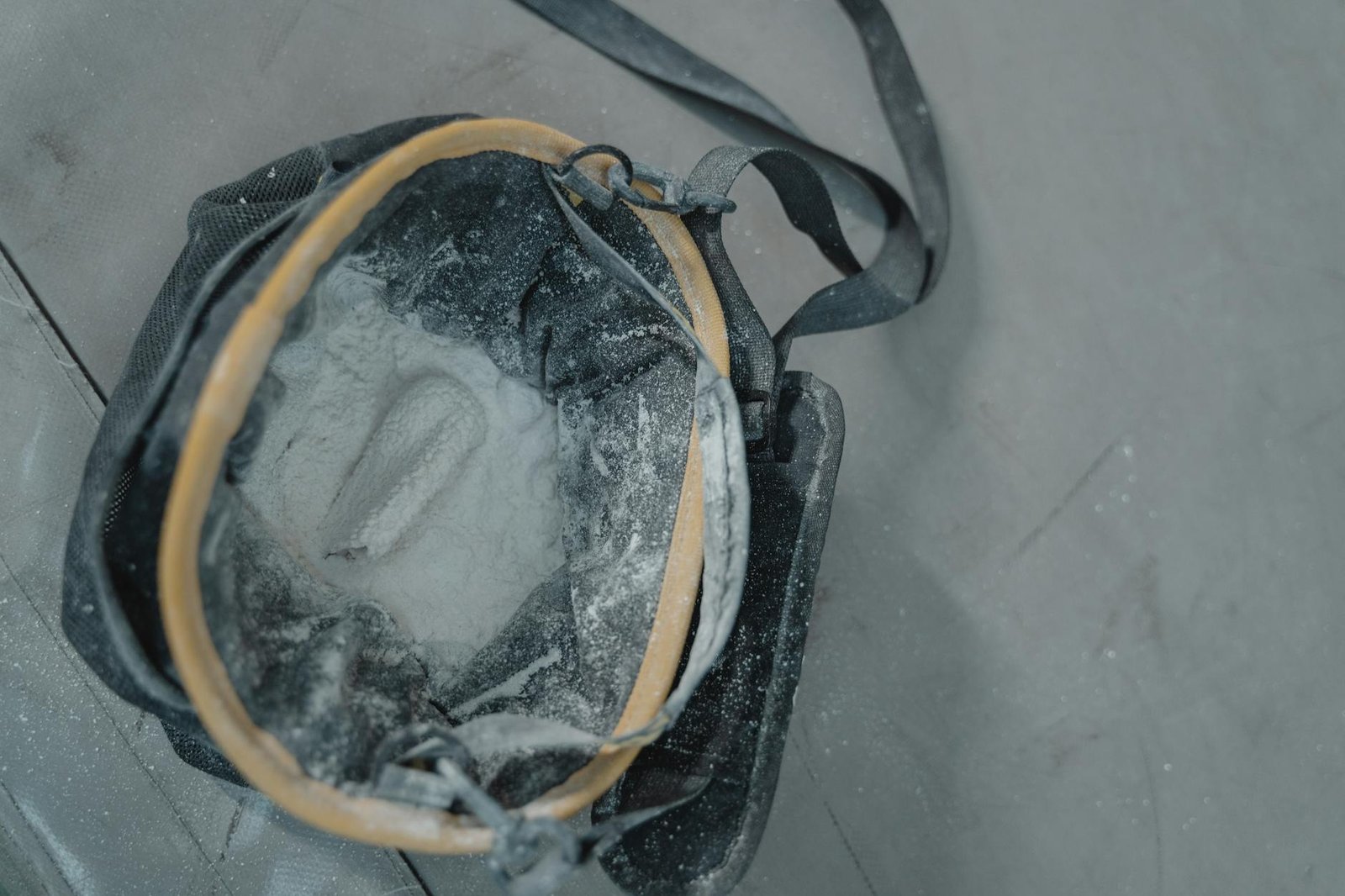
Introduction: Understanding Chalk for Gym Climbing Hands
Embarking on the exhilarating journey of gym climbing or bouldering can be incredibly rewarding. As you scale new heights and conquer challenging routes, you’ll quickly discover that grip is paramount. This is where the magic of **chalk for gym climbing hands** comes into play. Far from being a mere accessory, climbing chalk is an essential tool that can significantly enhance your performance, safety, and overall enjoyment on the wall. For beginners in India, understanding what this white powder is, why it’s used, and how to apply it effectively is a crucial first step in their climbing progression.
Whether you’re traversing the vibrant bouldering walls of a gym in Bengaluru, scaling the challenging routes in a Mumbai climbing facility, or just starting your fitness journey with GameOnGlow, mastering the use of chalk is fundamental. This comprehensive guide is designed to demystify climbing chalk, providing you with all the necessary information to make informed choices and improve your climbing experience right from the start. We will delve into its composition, explore the various types available in the Indian market, and offer practical advice on how to integrate it seamlessly into your climbing routine.
The primary function of climbing chalk is simple yet profound: to absorb moisture from your hands. Our palms naturally sweat, especially during intense physical activity like climbing. This sweat can drastically reduce friction between your skin and the climbing holds, leading to slips, reduced confidence, and increased fatigue. By keeping your hands dry, chalk ensures a more secure grip, allowing you to focus on technique and movement rather than worrying about slipping. Let’s explore this indispensable tool that every climber, from novice to expert, relies on.
Understanding Chalk for Gym Climbing Hands: The Basics
At its core, **chalk for gym climbing hands** is primarily made of magnesium carbonate (MgCO₃). This isn’t the same chalk you might remember from school blackboards, which is typically calcium carbonate. Magnesium carbonate is specifically chosen for its superior moisture-absorbing properties and its ability to create a thin, friction-enhancing layer on the skin. When applied, it binds with the natural oils and sweat on your palms, leaving a dry, grippy surface that significantly improves your hold on various climbing surfaces – be it plastic holds, wooden volumes, or natural rock.
The history of using chalk in climbing dates back to the 1950s, when pioneering climbers like John Gill started experimenting with gymnastic chalk to improve their grip. Since then, it has become an indispensable part of the climbing world. Its adoption has allowed climbers to push boundaries, tackle more challenging routes, and maintain consistent performance over longer periods. For anyone serious about improving their climbing, understanding the fundamental role of chalk is non-negotiable.
In the Indian context, as climbing gyms proliferate across cities like Delhi, Pune, and Chennai, the demand for quality climbing gear, including chalk, has seen a steady rise. Local and international brands now offer a variety of options, making it easier for enthusiasts to access this vital performance enhancer. GameOnGlow recognizes the growing passion for climbing in India and aims to provide valuable insights and products that support this dynamic sport.
The Science Behind Grip Enhancement with Climbing Hand Chalk
The effectiveness of climbing chalk isn’t just anecdotal; it’s rooted in basic physics and material science. When your bare hand touches a climbing hold, the microscopic irregularities on both surfaces interlock, creating friction. However, even a thin layer of moisture (sweat) or oil can act as a lubricant, reducing this friction and making the hold feel slippery. This is particularly problematic in humid Indian climates or during strenuous climbing sessions.
Magnesium carbonate works by absorbing this moisture and oil. Its porous structure has a large surface area, allowing it to wick away sweat efficiently. Once applied, it creates a dry, powdery layer that fills the tiny ridges and valleys on your skin. This increases the contact area between your hand and the climbing hold, effectively maximizing the friction. A stronger frictional force means a more secure grip, translating into greater confidence and control as you ascend. Moreover, the fine particles of chalk can also slightly improve the texture of your skin, making it less prone to slipping against smooth plastic or rock surfaces. This combination of moisture absorption and friction enhancement makes **climbing hand chalk** an indispensable tool for any serious climber.
Types of Chalk and Choosing the Best for Your Climbing Hands
Not all chalk is created equal. The market offers several forms of **chalk for gym climbing hands**, each with its own set of advantages and disadvantages. Understanding these differences will help you choose the best type that suits your climbing style, personal preferences, and the specific environment of your climbing gym.
- Loose Chalk: This is the most traditional form of climbing chalk, essentially a finely ground powder of magnesium carbonate. It’s typically stored in a chalk bag worn around the waist.
- Pros: Offers excellent coverage, can be applied quickly and generously. Often the most cost-effective option. Many climbers prefer the tactile sensation of loose chalk.
- Cons: Can be messy, creating dust in the gym. Not ideal for all gyms due to dust regulations or for climbers with respiratory sensitivities. Risk of spilling if the chalk bag isn’t sealed properly.
- Chalk Ball: A porous fabric sock filled with loose chalk. This is a popular alternative for those who want the benefits of loose chalk with less mess.
- Pros: Reduces airborne dust significantly, making it gym-friendly. Provides a more controlled application, preventing over-chalking. Often preferred in bouldering gyms.
- Cons: May not deliver as much chalk as quickly as loose chalk, which can be an issue on very long routes. Can be slightly more expensive than loose chalk by weight.
- Liquid Chalk: A mixture of magnesium carbonate, alcohol, and often a drying agent. It’s applied as a liquid, and as the alcohol evaporates, it leaves a thin, even layer of chalk on your hands.
- Pros: Virtually dust-free, making it ideal for gyms with strict dust policies and for climbers with allergies. Provides a long-lasting, consistent base layer of grip. More hygienic as it sterilizes hands due to alcohol content.
- Cons: Requires drying time (usually 30-60 seconds) before climbing. Can be drying to the skin with frequent use. Generally more expensive per application than loose chalk.
- Block Chalk: Essentially loose chalk compressed into a solid block. Climbers crush it themselves into powder as needed.
- Pros: Very economical, as you’re buying pure chalk without packaging for individual applications. Allows for custom grind size.
- Cons: Requires effort to break down. Can be messy during the crushing process.
Factors to Consider When Selecting Your Climbing Hand Chalk
Choosing the right **climbing hand chalk** involves more than just picking the first option you see. Several factors should influence your decision: Learn more about The Ultimate Guide to Liquid Chalk for Indian Gym Climbing Enthusiasts
- Gym Regulations: Many modern climbing gyms in India, especially in metropolitan areas, have specific rules regarding chalk usage. Some might only allow chalk balls or liquid chalk to minimize dust. Always check with your gym before purchasing.
- Personal Skin Type: If you have naturally very sweaty hands, loose chalk or a chalk ball might be your best bet for frequent reapplication. If your skin is prone to dryness, liquid chalk might require additional hand moisturization after your session.
- Climbing Style: For long sport climbing routes, you might prefer a chalk ball for quick, less messy reapplication. For intense bouldering problems, a generous coating of loose chalk might be preferred for maximum immediate grip. Liquid chalk is excellent for a solid base layer before starting a difficult boulder problem.
- Cost and Availability: Prices for climbing chalk in India can vary significantly. Loose chalk can start from around ₹200-₹300 for a small pouch, while liquid chalk can range from ₹500-₹1000 for a bottle. Consider your budget and how frequently you climb. GameOnGlow aims to offer a range of affordable yet high-quality options to cater to all climbers.
- Environmental Concerns: Some brands offer eco-friendly chalk options or products with minimal packaging. While not a primary performance factor, it’s a growing consideration for many climbers.
- Allergies/Sensitivities: If you have respiratory issues or skin sensitivities, liquid chalk or a chalk ball will be a better choice to minimize airborne particles. Some brands also offer hypoallergenic formulations.
Mastering Application: How to Use Chalk Effectively for Gym Climbing
Simply having the right **chalk for gym climbing hands** isn’t enough; knowing how to apply it effectively is crucial. Many beginners make the mistake of over-chalking or applying it incorrectly, which can be counterproductive. The goal is to create a thin, even layer that absorbs moisture without leaving thick clumps that can reduce friction. Learn more about The Ultimate Guide to Liquid Chalk for Gym Climbing in India
Proper Technique for Loose and Chalk Ball Application
When using loose chalk or a chalk ball, the process is straightforward: Learn more about The Ultimate Guide to GameOnGlow Liquid Chalk for Indian Gym Climbing
- Before Starting: Dip your hands into your chalk bag before you even touch the first hold. Ensure your entire palm and fingers are lightly coated. Shake off any excess.
- During Rests/Cruxes: On longer routes, you’ll need to re-chalk. This is usually done at a comfortable rest position where you can take one hand off the hold. Quickly dip your hand into the bag, ensuring even coverage, and then repeat for the other hand if needed.
- Light Coating is Key: You don’t need to cake your hands in chalk. A thin, even layer is far more effective than a thick one. Too much chalk can actually make holds feel slicker, as the excess powder can roll under your fingers.
- Using a Chalk Bag: Wear your chalk bag comfortably around your waist so it’s easily accessible. For bouldering, some climbers prefer to place their chalk bag on the crash pad below them.
Proper Technique for Liquid Chalk Application
Liquid chalk requires a slightly different approach:
- Apply Before Climbing: Squeeze a small amount (pea-sized) onto your palm. Rub your hands together, ensuring even coverage over your palms and fingers.
- Allow to Dry: Crucially, wait for 30-60 seconds for the alcohol to evaporate completely. You’ll feel a dry, powdery layer forming on your hands. Do not touch the holds until it’s fully dry.
- Reapplication: Liquid chalk tends to last longer than loose chalk. You might only need to reapply it every few problems or routes, or when you notice your grip diminishing. Some climbers use liquid chalk as a base layer and then use a chalk ball for quick touch-ups on longer climbs.
Common Mistakes and How to Avoid Them When Using Climbing Chalk
Even with the best intentions, beginners often fall into common traps when using **gym climbing chalk**:
- Over-chalking: This is perhaps the most frequent mistake. A thick layer of chalk can reduce the friction between your skin and the hold. It also creates excessive dust in the gym and wastes product.
- Solution: Aim for a thin, visible film. After dipping, clap your hands gently or blow on them to remove excess.
- Not Cleaning Hands: Applying chalk to dirty or greasy hands will reduce its effectiveness.
- Solution: Wash your hands with soap and water before your climbing session, especially if you’ve been eating or handling lotions.
- Chalking During Crucial Moves: Trying to chalk up in the middle of a difficult sequence can lead to a fall.
- Solution: Plan your chalk breaks. Re-chalk during rests or before attempting a known crux.
- Ignoring Hand Care: While chalk is beneficial, it can dry out your skin, leading to cracks and discomfort.
- Solution: Moisturize your hands regularly, especially after climbing sessions. Products like GameOnGlow’s hand creams for athletes can be very beneficial.
- Using the Wrong Type for the Environment: Bringing loose chalk to a gym that only allows chalk balls can be problematic.
- Solution: Always check gym rules beforehand.
The Benefits and Beyond: Why Chalk Matters for Your Climbing Journey
The benefits of using **chalk for gym climbing hands** extend far beyond just preventing slips. It plays a pivotal role in enhancing overall performance, safety, and the longevity of your climbing career. For anyone looking to progress in climbing, understanding these broader benefits is key.
Enhanced Grip and Performance
The most immediate and obvious benefit is the significant improvement in grip. By absorbing sweat and oils, chalk maximizes the friction between your hands and the climbing holds. This translates directly into:
- More Secure Holds: You’ll feel more confident on challenging holds, reducing the mental strain of worrying about slipping.
- Improved Technique: With a reliable grip, you can focus more on body positioning, footwork, and movement efficiency, which are crucial for climbing progression.
- Higher Grades: A better grip allows you to hold onto smaller, trickier holds, enabling you to attempt and successfully complete harder routes and boulder problems.
Reduced Fatigue and Improved Endurance
When your hands are sweaty, you instinctively grip harder to compensate for the reduced friction. This “death grip” tires out your forearms much faster. By providing a consistent, reliable grip, climbing chalk helps you conserve energy:
- Less Forearm Pump: With a more secure hold, you don’t need to squeeze as hard, delaying the onset of forearm pump (the burning sensation of fatigued muscles).
- Longer Sessions: Reduced fatigue means you can climb for longer periods and attempt more problems or routes during a single session.
- More Attempts: On a difficult boulder problem, a good chalk application can give you the endurance for those crucial extra attempts needed to send it.
Injury Prevention
While not a direct injury prevention tool in the same way a crash pad is, chalk indirectly contributes to safety:
- Fewer Slips and Falls: A secure grip reduces the likelihood of your hands slipping unexpectedly, which can lead to uncontrolled falls and potential injuries.
- Reduced Skin Damage: Less slipping means less friction burn or tearing of the skin on holds. While chalk can dry out skin, preventing major tears is a significant benefit.
Psychological Benefits
Climbing is as much a mental game as it is physical. Chalk plays a subtle but important psychological role:
- Increased Confidence: Knowing your hands are dry and grippy boosts confidence, allowing you to commit fully to moves.
- Ritual and Focus: The act of chalking up can be a ritual that helps climbers mentally prepare and focus before a challenging ascent.
Hygiene Considerations
Especially in busy gyms, shared holds can accumulate sweat and grime. While chalk doesn’t sterilize holds, liquid chalk, with its alcohol content, offers a hygienic advantage for your hands by killing bacteria upon application. This is particularly relevant in a post-pandemic world, where shared equipment hygiene is a greater concern.
Maintaining Hand Health Alongside Chalk Usage
While **gym climbing chalk** is indispensable, it’s also important to acknowledge its potential side effect: drying out your skin. Magnesium carbonate is highly absorbent, and while this is great for grip, it can strip your hands of their natural oils, leading to dry, cracked, and sometimes painful skin. Neglecting hand care can lead to painful splits, calluses, and an overall uncomfortable climbing experience.
- Moisturize Regularly: This is perhaps the most crucial step. After every climbing session, and even on rest days, apply a good quality hand cream. Look for products specifically designed for active hands or those with ingredients like shea butter, vitamin E, or urea. GameOnGlow offers a range of wellness products perfect for post-workout recovery, including hand balms designed to rehydrate and repair skin.
- File Calluses: While calluses are a natural adaptation to climbing, excessively thick calluses can rip off, causing painful “flappers.” Gently file down thick calluses with a fine-grit sandpaper or a pumice stone to keep them smooth and pliable.
- Rest and Repair: Give your hands adequate rest days. This allows your skin to heal and rebuild. Over-climbing without proper recovery can lead to chronic skin issues.
- Hydrate from Within: Drink plenty of water. Good overall hydration contributes to healthy skin.
- Protect Your Hands: If you’re doing chores or activities that are harsh on your hands outside of climbing, consider wearing gloves to protect your skin.
By integrating these hand care practices into your routine, you can enjoy the full benefits of climbing chalk without compromising the health and resilience of your hands.
FAQs About Chalk for Gym Climbing Hands
Is chalk really necessary for beginners in gym climbing?
While not strictly “necessary” for your very first few climbs, **chalk for gym climbing hands** becomes incredibly beneficial very quickly. As a beginner, your hands will sweat, especially as you exert yourself and become nervous. Chalk will significantly improve your grip, reduce slips, and build confidence. It allows you to focus on learning technique rather than struggling with sweaty hands. Most beginners find it an indispensable tool after just a few sessions. Think of it as investing in a better, safer, and more enjoyable learning experience.
What’s the difference between gym chalk and regular blackboard chalk?
This is a common misconception! Regular blackboard chalk is primarily made of calcium carbonate (CaCO₃), which is used for writing on surfaces. **Gym climbing chalk**, on the other hand, is magnesium carbonate (MgCO₃). Magnesium carbonate is far superior for absorbing moisture and creating friction on the skin, making it ideal for sports like climbing, gymnastics, and weightlifting. Blackboard chalk would not provide the necessary grip enhancement and might even leave a slippery residue.
How much does good quality climbing chalk cost in India?
The cost of climbing chalk in India varies depending on the type, brand, and quantity.
- Loose Chalk: A small pouch (50-100g) can range from ₹200 to ₹500. Larger quantities (200-500g) might cost ₹600 to ₹1500.
- Chalk Balls: A single chalk ball usually costs between ₹300 and ₹700.
- Liquid Chalk: A 100-200ml bottle typically ranges from ₹500 to ₹1200.
Investing in good quality **climbing hand chalk** is a worthwhile expense, as it directly impacts your performance and safety. Many local Indian brands now offer competitive prices without compromising on quality.
Can using too much chalk be bad for my hands or the environment?
Yes, using too much **gym climbing chalk** can have downsides. For your hands, excessive use without proper moisturizing can lead to dryness, cracking, and discomfort, as chalk absorbs natural skin oils. Environmentally, over-chalking creates more dust in gyms, which can affect air quality and require more frequent cleaning. On outdoor routes, excessive chalk can build up on rocks, leaving unsightly white marks and potentially altering the rock’s texture over time. It’s always best to use chalk sparingly and effectively.
Does GameOnGlow offer any products related to climbing hand care?
While GameOnGlow currently focuses on a broader range of sports and wellness products, we are committed to supporting the diverse needs of Indian athletes. We frequently explore expanding our product lines to include specialized items. We encourage you to check our website, GameOnGlow.com, for our latest offerings, which often include high-quality hand creams, moisturizing balms, and general recovery aids that can be highly beneficial for maintaining hand health alongside your climbing routine.
Are there any alternatives to chalk for improving grip?
While chalk is the most widely accepted and effective solution for improving grip in climbing, some niche alternatives exist. Some climbers use resin-based products, though these are less common in gyms due to potential residue. Others focus on natural hand toughening and conditioning, but this approach rarely offers the immediate and consistent sweat absorption of chalk. For the vast majority of climbers, especially in a gym setting, **chalk for gym climbing hands** remains the gold standard due to its proven efficacy, ease of use, and widespread acceptance.
Conclusion: Elevating Your Climb with the Right Chalk
The journey of a climber, whether a novice or an experienced pro, is one of continuous learning and adaptation. Among the many tools and techniques you’ll acquire, mastering the use of **chalk for gym climbing hands** stands out as a fundamental skill. It’s more than just a powdery substance; it’s a performance enhancer, a safety net, and a confidence booster that allows you to push your limits on the wall.
From understanding the science behind magnesium carbonate to choosing between loose, ball, or liquid forms, and applying it with precision, every aspect contributes to a better climbing experience. Remember to always consider your gym’s regulations, your personal skin type, and the specific demands of your climbing style when making your choice. And crucially, don’t forget the importance of hand care – hydrating and repairing your skin after sessions will ensure your hands remain healthy and ready for your next ascent.
As the climbing community in India continues to grow and thrive, GameOnGlow remains dedicated to empowering athletes with the knowledge and products they need to excel. Embrace the power of **chalk for gym climbing hands**, climb safely, climb strong, and most importantly, enjoy every moment of your vertical adventure. May your hands always be dry, your grip secure, and your spirits high as you reach for new heights.