
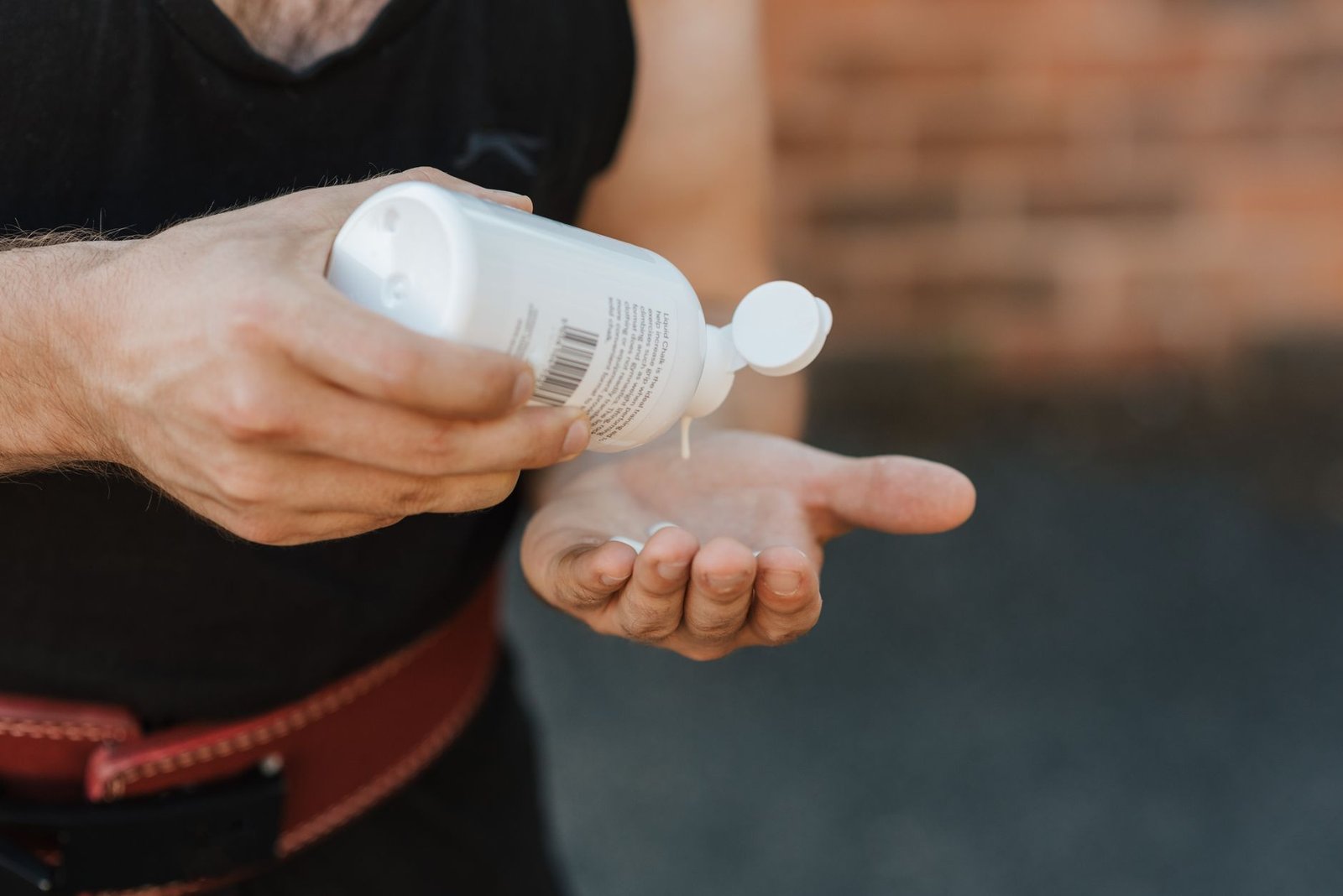
Introduction: Understanding Liquid Chalk for Gym Climbing Hands
For anyone serious about gym climbing, whether you’re scaling a towering indoor wall or tackling a challenging bouldering problem, grip is paramount. A slip can mean the difference between sending your project and taking an unexpected fall. This is precisely where the innovation of liquid chalk for gym climbing hands comes into play, transforming how climbers approach their sport. In India, with its rapidly growing climbing community and increasing number of world-class indoor facilities, understanding and adopting optimal climbing practices is more important than ever.
Traditional chalk, typically a block or powder of magnesium carbonate, has been the standard for decades. However, it comes with its own set of challenges, particularly in indoor environments. Dust, mess, and inconsistent application are common concerns for both climbers and gym operators. Liquid chalk offers a compelling alternative, promising superior grip, enhanced hygiene, and a more streamlined climbing experience. It’s a game-changer that every aspiring and experienced Indian climber should consider integrating into their routine.
This comprehensive guide will delve deep into the world of liquid chalk, specifically tailored for the needs of Indian gym climbers. We will explore what it is, how it works its magic, and why it has become an indispensable tool for many. From its unique composition to its myriad benefits for performance, hygiene, and even skin health, we will cover every aspect. Our aim is to equip you with all the knowledge needed to make an informed decision and elevate your climbing game, ensuring your hands are always ready for the next hold.
What is Liquid Chalk for Gym Climbing Hands and How Does It Work?
At its core, liquid chalk for gym climbing hands is a formulation designed to enhance grip by drying out sweat and increasing friction between your skin and the climbing holds. Unlike its powdered counterpart, which is simply magnesium carbonate in solid form, liquid chalk is a blend of magnesium carbonate suspended in an alcohol-based solution. This unique combination allows for a different application method and offers distinct advantages, particularly in controlled environments like indoor climbing gyms.
When you apply liquid chalk, you’re not just dusting your hands; you’re applying a potent, quick-drying solution. The alcohol acts as a powerful drying agent, rapidly evaporating from your skin. This process not only carries away moisture but also leaves behind a thin, even layer of magnesium carbonate. This residue is the key ingredient that absorbs sweat, reduces slipperiness, and provides the necessary friction for a secure grip on various climbing surfaces. It’s a sophisticated approach to hand preparation that goes beyond mere surface application.
Understanding the mechanism behind liquid chalk helps appreciate its effectiveness. The rapid evaporation of alcohol ensures that the chalk adheres more uniformly and profoundly to the contours of your hand. This creates a longer-lasting and more consistent chalk layer compared to the often patchy application of loose chalk. For climbers in India facing humid conditions or intense training sessions, this consistent drying power can be a significant advantage, maintaining optimal hand conditions throughout their climb.
The Science Behind the Grip: Alcohol Evaporation and Magnesium Carbonate
The effectiveness of liquid chalk for gym climbing hands hinges on a simple yet powerful scientific principle: controlled dehydration and friction enhancement. When you squeeze a small amount of liquid chalk into your palm, you immediately notice its liquid consistency. This is due to the high concentration of alcohol, typically ethanol or isopropanol, which serves as the primary carrier and drying agent.
- Rapid Evaporation: Upon application, the alcohol quickly begins to evaporate. This evaporation process is crucial as it actively draws moisture from the surface of your skin, drying out your hands almost instantly. This rapid drying effect is far more efficient than simply wiping your hands or waiting for ambient air to do the job. The alcohol also acts as a disinfectant, which can be a minor added benefit in shared gym environments.
- Magnesium Carbonate Residue: As the alcohol dissipates, it leaves behind a finely dispersed, thin layer of magnesium carbonate. This white powder is highly porous and hydrophilic, meaning it readily absorbs moisture. Any residual sweat that forms on your hands during your climb is quickly wicked away by this chalk layer, maintaining a dry, grippy surface. The microscopic particles of magnesium carbonate increase the coefficient of friction between your skin and the climbing hold, providing that crucial “sticky” feeling climbers crave.
- Adhesion and Durability: The process of drying and deposition from a liquid state allows the magnesium carbonate to adhere more effectively to the skin. This results in a more durable chalk layer that resists rubbing off easily, meaning fewer re-applications during a single climb. This durability is particularly beneficial on longer routes or during intense bouldering sequences where mid-climb re-chalking can be cumbersome or impossible.
Composition and Ingredients: What’s Inside Your Bottle of Liquid Chalk?
While the core components are consistent, the exact formulation of liquid chalk for gym climbing hands can vary slightly between brands. However, the fundamental ingredients remain the same, each playing a vital role in its function.
- Alcohol Base: This is the primary solvent and quick-drying agent. Common types include ethanol (ethyl alcohol) or isopropanol (isopropyl alcohol). The alcohol content is usually high, often ranging from 70% to 90%, which ensures rapid evaporation and effective moisture removal. It’s also responsible for the initial cooling sensation and the characteristic smell when applied.
- Magnesium Carbonate (MgCO3): This is the active ingredient responsible for absorbing sweat and increasing friction. It’s the same substance found in traditional block or powdered chalk. In liquid chalk, it’s typically a very fine powder that is suspended evenly throughout the alcohol solution, preventing clumping and ensuring a smooth, consistent application.
- Binding Agents/Thickeners: To keep the magnesium carbonate uniformly suspended and to give the liquid chalk its desired consistency, various binding agents or thickeners are often included. These can be natural polymers or synthetic compounds that prevent the chalk from settling at the bottom of the bottle and ensure a consistent flow during application.
- Skincare Additives (Optional): Some premium brands might include additional ingredients aimed at improving skin health. These could be emollients, humectants, or essential oils that help counteract the drying effects of alcohol, potentially reducing skin cracking or irritation over time. For Indian climbers who might experience varying humidity levels, these additives can be particularly beneficial for maintaining hand integrity.
Understanding these components helps climbers appreciate the engineering behind their grip aid. When choosing a product, especially from a brand like GameOnGlow that focuses on holistic wellness, checking the ingredient list can help you select a formulation that best suits your skin type and climbing needs.
Why Liquid Chalk Matters: Benefits for Your Gym Climbing Hands
The shift towards liquid chalk for gym climbing hands isn’t just a trend; it’s a practical evolution driven by significant advantages over traditional powdered chalk. For climbers in India navigating busy gyms and striving for peak performance, these benefits translate directly into a more enjoyable, effective, and hygienic climbing experience. Let’s explore the key reasons why liquid chalk is becoming the preferred choice for many.
Superior Grip and Performance: Conquering Challenging Routes
The primary reason climbers use chalk is to improve their grip, and liquid chalk excels in this regard. Its unique application method ensures a level of grip enhancement that is often superior and more consistent than traditional methods. Learn more about The Ultimate Guide to Liquid Chalk Gym Climbing in India
- Enhanced Sweat Absorption: The alcohol rapidly dries your hands, and the fine layer of magnesium carbonate left behind is incredibly effective at absorbing subsequent sweat. This creates a consistently dry surface, crucial for maintaining purchase on small holds and slippery slopers. In warm Indian climates, where hand sweat can be a significant issue, this sustained dryness is invaluable.
- Consistent, Even Coverage: Unlike powdered chalk, which can clump or leave patchy coverage, liquid chalk spreads evenly across the entire hand, including fingertips and creases. This uniform layer ensures that every part of your hand that contacts the hold receives optimal friction, minimizing the risk of slips due to uneven chalk distribution.
- Longer-Lasting Effect: The way liquid chalk adheres to the skin means it typically lasts longer per application than loose chalk. This reduces the need for frequent re-chalking, allowing climbers to focus more on their movement and less on their hands. For complex routes or bouldering problems that demand sustained focus, this longevity is a significant performance booster.
- Increased Confidence: Knowing your grip is secure allows you to commit more fully to moves, push harder, and attempt routes that might otherwise feel too precarious. This psychological boost is a powerful, albeit indirect, performance enhancer, helping climbers to unlock their full potential on the wall.
Hygiene and Environmental Advantages: A Cleaner Climbing Experience
Beyond performance, liquid chalk offers substantial benefits for the climbing environment and personal hygiene, making it a responsible choice for communal spaces like gyms. Learn more about The Ultimate Guide to Liquid Chalk Gym Climbing for Indian Climbers
- Reduced Dust and Airborne Particles: This is perhaps the most visible advantage. Traditional chalk produces a significant amount of airborne dust, which can affect air quality, irritate respiratory systems, and leave a fine white film on everything. Liquid chalk, once dried, creates virtually no dust, contributing to a cleaner and healthier gym environment for everyone. This is particularly important for gym owners in India who prioritize member comfort and facility maintenance.
- Cleaner Gyms and Equipment: With less airborne chalk, gym holds, mats, and other equipment stay cleaner for longer. This reduces the frequency of deep cleaning required and helps maintain the aesthetic appeal of the climbing facility. It also means less chalk transfer to personal belongings, keeping your clothes and bags cleaner after a session.
- Minimized Cross-Contamination: In a post-pandemic world, hygiene is paramount. While not a sterilizer, the alcohol content in liquid chalk provides an initial sanitizing effect on the hands. More importantly, the reduced dust means less direct transfer of chalk (and potentially germs) from shared chalk bags or communal chalk buckets, promoting a more hygienic climbing practice overall.
- Better for Gym Ventilation Systems: High volumes of chalk dust can clog ventilation filters and reduce the efficiency of air conditioning systems. By opting for liquid chalk, climbers indirectly contribute to the longevity and effectiveness of the gym’s infrastructure, which is a consideration for facility management.
Skin Health and Longevity: Protecting Your Most Important Tools
Climbers’ hands are their most valuable tools, and maintaining their health is crucial for long-term enjoyment and progress in the sport. Liquid chalk can play a role in this. Learn more about The Ultimate Guide to GameOnGlow Liquid Chalk Gym in India
- Less Drying Than Repeated Loose Chalk Application: While the alcohol in liquid chalk is initially drying, the overall effect on skin can be less harsh than constantly dipping hands into a chalk bag. The consistent, thin layer of magnesium carbonate from liquid chalk means less direct contact with large quantities of dry powder throughout a session. Some liquid chalk formulations also include skin-friendly additives to mitigate dryness.
- Reduced Risk of Cracks and Peeling: Severely dry hands are prone to cracking, especially on fingertips and knuckles, which can be incredibly painful and sideline a climber for days. By providing a more controlled drying effect and allowing for the inclusion of moisturizing agents, liquid chalk can help maintain skin elasticity and reduce the likelihood of these debilitating injuries.
- Easier Post-Climbing Care: Because liquid chalk adheres more effectively and creates less mess, it’s generally easier to wash off your hands thoroughly after a climbing session. This allows for better application of hand balms, moisturizers, and other skincare products, which are vital for recovery and maintaining healthy skin for the next climb. GameOnGlow, with its focus on holistic wellness, understands the importance of post-activity recovery, and proper hand care is a key part of that for climbers.
Traditional Chalk vs. Liquid Chalk: A Comprehensive Comparison for Climbers
The choice between traditional powdered chalk and liquid chalk for gym climbing hands often boils down to personal preference, climbing environment, and specific needs. Both have their merits and drawbacks, and understanding these differences is crucial for Indian climbers to make an informed decision that best suits their style and the gyms they frequent. Let’s break down the key comparison points.
Traditional chalk, typically available in blocks, loose powder, or chalk balls, has been the staple for decades. It’s simple, effective, and widely accessible. You dip your hands into a chalk bag, clap them together, and you’re ready to climb. It provides immediate, visible coverage and a familiar sensation. However, its main drawback, especially indoors, is the dust it generates. This dust can be a nuisance for climbers, gym staff, and even impact air quality.
Liquid chalk, on the other hand, represents a modern evolution. Its alcohol-based formula offers a cleaner, often more durable, and sometimes superior grip. While the initial application requires a short drying time, the benefits in terms of hygiene and consistent performance are significant. For Indian climbers training in bustling urban gyms, the reduced dust factor alone can be a strong motivator to switch.
Here’s a detailed comparison to help you weigh your options:
- Application and Drying Time:
- Traditional Chalk: Instant application. Simply dip and go. No drying time needed. However, frequent re-application is often necessary.
- Liquid Chalk: Requires a few seconds (10-30 seconds) for the alcohol to evaporate after application. This can be a minor inconvenience if you’re in a rush, but the resulting chalk layer typically lasts longer, reducing the need for mid-climb re-chalking.
- Grip Effectiveness:
- Traditional Chalk: Provides good grip by absorbing sweat. Effectiveness can vary based on the fineness of the powder and how evenly it’s applied. Can sometimes leave hands feeling overly dry or caked.
- Liquid Chalk: Often provides a superior and more consistent grip. The alcohol ensures maximum dryness, and the fine, even layer of magnesium carbonate adheres better to the skin, offering enhanced friction that lasts longer.
- Dust and Mess:
- Traditional Chalk: High dust production. This creates airborne particles, coats holds and mats, and can be messy for clothing and bags. A major concern for indoor gyms and individuals with respiratory sensitivities.
- Liquid Chalk: Minimal to no dust once dry. This is a huge advantage for gym environments, promoting cleaner air and facilities. It also means less mess on your gear and personal items.
- Hygiene:
- Traditional Chalk: Shared chalk bags can be a vector for germs. The dust itself can carry particles.
- Liquid Chalk: The alcohol provides an initial sanitizing effect on the hands. Reduced dust also means less potential for germ transfer in shared spaces, contributing to better overall gym hygiene.
- Skin Health:
- Traditional Chalk: Can be very drying with repeated use, potentially leading to cracked skin and calluses if not managed with proper hand care.
- Liquid Chalk: While alcohol is drying, many formulations include skin conditioners. The more consistent, durable layer can sometimes be less abrasive than constantly re-chalking with loose powder, potentially leading to fewer skin issues in the long run.
- Cost (in INR):
- Traditional Chalk: Generally more affordable upfront. A block of chalk might cost anywhere from ₹100-₹300, and a bag of loose chalk from ₹300-₹800, lasting a reasonable amount of time.
- Liquid Chalk: Typically has a higher upfront cost. A small bottle (50-100ml) can range from ₹500-₹1500 or more, depending on the brand and formulation. However, because it lasts longer per application, the cost-per-use might be comparable or even more economical over time for some climbers.
- Portability:
- Traditional Chalk: Requires a chalk bag, which can sometimes spill. Blocks are easy to carry.
- Liquid Chalk: Comes in a sealed bottle, making it very portable and mess-free. Easy to toss into a gym bag without worrying about spills.
For many Indian gym climbers, especially those concerned about dust, hygiene, or maximizing grip on challenging projects, liquid chalk offers a compelling upgrade. However, some still prefer the tactile feel and immediate application of traditional chalk, or perhaps use a combination of both – liquid chalk for the base layer and a light dusting of traditional chalk for quick top-ups.
How to Choose and Use Liquid Chalk Effectively for Your Climbing Sessions
Making the switch to liquid chalk for gym climbing hands can significantly enhance your climbing experience, but getting the most out of it requires understanding how to choose the right product and apply it correctly. With various brands and formulations available in the Indian market, a little guidance can go a long way.
Factors to Consider When Buying Liquid Chalk in India
When you’re ready to invest in liquid chalk, keep these points in mind to ensure you get a product that meets your needs and budget, especially within the Indian context:
- Brand Reputation and Reviews: Look for brands that are well-regarded in the climbing community. Check online reviews from other Indian climbers on e-commerce platforms or climbing forums. A reputable brand, even if slightly more expensive, often guarantees better quality and consistency.
- Price (INR) and Value: Liquid chalk can range from affordable to premium. Consider the price per milliliter or per application. While a bottle might seem expensive (e.g., ₹800-₹1500 for 100ml), remember it often lasts longer than a similarly priced quantity of loose chalk. Evaluate the cost-effectiveness based on your usage frequency.
- Consistency and Drying Time: Some liquid chalks are thicker, others runnier. A good consistency allows for easy spreading without being too watery. The drying time is also crucial; look for products that dry within 10-30 seconds. Faster drying means less waiting time between applications.
- Ingredients and Skin Sensitivity: If you have sensitive skin, look for products that mention skin-friendly additives or those that are less harsh. Avoid formulations with strong perfumes if you are sensitive to smells. Some brands focus on minimal ingredients, which can be beneficial for those prone to irritation.
- Availability: Check if the liquid chalk is readily available in India, either through local climbing stores in cities like Delhi, Bengaluru, or Mumbai, or via popular Indian e-commerce sites. Brands like GameOnGlow, focused on fitness and wellness, might expand their offerings to include such specialized products, ensuring local availability and support.
- Gym Regulations: While liquid chalk is generally preferred by gyms due to less dust, it’s always a good idea to quickly check with your specific climbing gym in India if they have any particular brand preferences or restrictions.
Application Techniques and Best Practices for Liquid Chalk
Proper application is key to maximizing the benefits of liquid chalk for gym climbing hands. Follow these steps for optimal grip:
- Start with Clean, Dry Hands: Before applying, ensure your hands are clean and as dry as possible. Wash them if necessary and dry thoroughly. This allows the chalk to adhere best.
- Dispense a Small Amount: Squeeze a coin-sized (about 1-2 ml) amount of liquid chalk into the palm of one hand. You typically need less than you think.
- Spread Evenly: Rub your hands together vigorously, ensuring the liquid chalk covers all surfaces – palms, fingers, fingertips, and even the sides of your hands. Don’t forget the creases!
- Allow to Dry Completely: This is the most critical step. Wait for 10-30 seconds until the alcohol has fully evaporated and your hands feel completely dry and chalky. You’ll see a uniform white coating. Waving your hands gently can speed up the drying process.
- Reapply as Needed: For most climbers, one application of liquid chalk can last for several climbs or a significant portion of a bouldering session. Reapply only when you feel your grip starting to diminish due to sweat or chalk wearing off. You might find you only need a small dab for re-application, or sometimes a quick dip in a traditional chalk bag for a top-up.
- Consider Combining with Loose Chalk: Some climbers use liquid chalk as a base layer at the start of their session for its durability and dust-free properties. Then, for quick top-ups between attempts or on longer routes, they might use a small amount of traditional loose chalk from a chalk bag. This hybrid approach leverages the best of both worlds.
Integrating Liquid Chalk into Your Climbing Routine
Incorporating liquid chalk seamlessly into your climbing routine can make a significant difference. Here’s how:
- Pre-Climb Ritual: Make applying liquid chalk part of your warm-up routine. Apply it right after your dynamic stretches and before your first climb. This ensures your hands are perfectly prepared from the outset.
- During Training: For intense training sessions or projecting a difficult route, having liquid chalk on hand means you can maintain consistent grip without constantly interrupting your flow for chalking. Its portability makes it easy to carry to the base of the wall.
- Post-Climbing Hand Care: After your session, thoroughly wash off all chalk. Then, apply a good quality hand balm or moisturizer to rehydrate your skin. This is vital for preventing dryness and cracks, ensuring your hands recover well for your next climbing adventure. Brands like GameOnGlow often offer products that support overall skin and muscle recovery, which can be beneficial for climbers.
Maintaining Hand Health: Beyond Liquid Chalk for Indian Climbers
While liquid chalk for gym climbing hands is an excellent tool for improving grip and maintaining hygiene, it’s just one component of comprehensive hand care for climbers. For Indian climbers, whose hands endure varying conditions, from humid indoor gyms to abrasive outdoor rock, a holistic approach to hand health is paramount. Your hands are your primary interface with the rock or holds, and their well-being directly impacts your performance, longevity in the sport, and overall enjoyment.
Neglecting hand care can lead to a host of problems, including painful cracks, persistent dryness, torn calluses, and even infections, all of which can sideline you from climbing. A proactive approach, encompassing practices before, during, and after your climbing sessions, is essential. This extends beyond just chalk and involves hydration, skin treatment, proper rest, and even nutrition.
Pre-Climb Preparation and Protection
- Trim Nails: Keep your fingernails trimmed short. Long nails can snag, break, and cause discomfort or injury, especially on small holds.
- Moisturize Regularly (Off-Days): On non-climbing days, regularly apply a good quality hand cream or balm. This helps to keep your skin supple and resilient, preventing excessive dryness and cracking. Look for products with ingredients like shea butter, beeswax, or lanolin.
- Light Filing of Calluses: While calluses are a natural adaptation to climbing, excessively thick or uneven calluses can tear and rip. Gently file them down with a fine-grit sandpaper or pumice stone to keep them smooth and prevent them from catching on holds.
During-Climb Best Practices
- Mindful Chalk Use: Whether you use liquid chalk or traditional chalk, use it judiciously. Too much chalk can over-dry your hands, leading to issues. Apply just enough to keep your hands dry and grippy.
- Listen to Your Hands: Pay attention to how your hands feel. If a particular hold is causing excessive pain or skin abrasion, consider adjusting your technique or moving on to a different problem. Pushing through pain often leads to injury.
- Hydration: Stay well-hydrated throughout your climbing session. Dehydration can affect skin elasticity and overall performance. Carry a water bottle and sip regularly.
Post-Climb Recovery and Repair
- Wash Hands Thoroughly: Immediately after climbing, wash your hands with mild soap and water to remove all chalk and grime. This prevents the chalk from continuing to dry out your skin.
- Deep Moisturize: Apply a rich, restorative hand balm or moisturizer. Focus on areas prone to dryness and cracking, such as fingertips and knuckles. Many climbing-specific balms are available that are formulated to aid skin recovery.
- Treat Wounds and Abrasions: For any cuts, scrapes, or torn skin, clean the area thoroughly, apply an antiseptic, and cover with a bandage. Allow time for these to heal properly before your next session.
- Rest and Recovery: Just like muscles, your skin needs time to recover and regenerate. Avoid climbing on consecutive days if your hands are particularly sore or damaged. Incorporate rest days into your training schedule.
- Nutrition: A balanced diet rich in vitamins (especially A, C, and E) and minerals can support skin health and overall recovery. Proteins are also crucial for tissue repair.
By integrating these practices alongside your use of liquid chalk for gym climbing hands, you can ensure your hands remain strong, resilient, and ready for whatever challenges the climbing wall or rock face throws your way. GameOnGlow advocates for a holistic approach to fitness and wellness, and hand health for climbers perfectly embodies this philosophy – taking care of your body so you can perform at your best, consistently and safely.
FAQs About Liquid Chalk Gym Climbing Hand
Is liquid chalk allowed in all Indian climbing gyms?
Yes, liquid chalk for gym climbing hands is generally allowed and often preferred in most indoor climbing gyms across India. Its main advantage is the significant reduction in airborne dust compared to traditional powdered chalk. Many gyms actively encourage or even mandate the use of liquid chalk to maintain air quality, cleanliness, and the longevity of their equipment. However, it’s always a good practice to check with your specific gym’s regulations, especially if it’s a newer facility or has specific rules about chalk types.
How much does a bottle of liquid chalk typically cost in India?
The cost of liquid chalk in India can vary significantly based on the brand, bottle size, and specific formulation. A small bottle (e.g., 50ml to 100ml) can range anywhere from ₹500 to ₹1500 or even more for premium brands. While the initial investment might seem higher than traditional chalk, remember that liquid chalk often lasts longer per application due to its superior adhesion and efficiency. Many climbers find the long-term value and benefits outweigh the upfront cost.
Can beginners use liquid chalk for gym climbing hands?
Absolutely! Liquid chalk is suitable for climbers of all skill levels, including beginners. In fact, it can be particularly beneficial for new climbers as it provides a reliable, consistent grip without the mess and dust associated with traditional chalk. This allows beginners to focus on learning technique and movement without worrying as much about their grip or contributing to a dusty environment. It’s an excellent way to start your climbing journey with optimal hand preparation.
Does liquid chalk damage skin or make hands excessively dry?
While the alcohol base in liquid chalk is designed to dry out your hands, its overall effect on skin health can be less damaging than continuous, heavy use of traditional loose chalk. The alcohol evaporates quickly, leaving a fine layer of magnesium carbonate, which is less abrasive than repeated dips into a chalk bag. Many liquid chalk formulations also include skin-friendly additives to counteract excessive dryness. However, like with any chalk, post-climbing hand care (washing and moisturizing) is crucial to maintain healthy skin and prevent dryness, cracks, or irritation.
How long does a bottle of liquid chalk last for a regular climber?
The lifespan of a bottle of liquid chalk depends on several factors, including the bottle size, how frequently you climb, and how much you apply per session. For a regular climber who visits the gym 2-3 times a week, a 100ml bottle might last anywhere from 1 to 3 months. Since liquid chalk offers a more durable and longer-lasting grip per application, you generally use less of it compared to loose chalk, making it quite economical in the long run.
Can liquid chalk be used for other sports besides climbing?
Yes, liquid chalk for hands is not exclusive to climbing! Its excellent grip-enhancing and moisture-absorbing properties make it popular in various other sports and activities where a secure grip is essential. This includes weightlifting, powerlifting, gymnastics, CrossFit, pole fitness, and even certain racquet sports. Anyone needing to reduce hand sweat and improve friction on equipment can benefit from liquid chalk.
Conclusion: Final Thoughts on Liquid Chalk for Gym Climbing Hands
The world of climbing is constantly evolving, and innovations like liquid chalk for gym climbing hands are at the forefront of improving performance, safety, and the overall experience. For the burgeoning climbing community in India, embracing such advancements means not only elevating individual climbing prowess but also contributing to cleaner, healthier, and more enjoyable gym environments for everyone. From its scientific basis of rapid alcohol evaporation leaving a superior layer of magnesium carbonate, to its tangible benefits in grip, hygiene, and skin health, liquid chalk presents a compelling case for its adoption.
We’ve explored how liquid chalk stands apart from traditional powdered chalk, offering a less dusty, more consistent, and often longer-lasting grip. We’ve also provided practical advice on selecting the right product in the Indian market and mastering the application techniques to maximize its effectiveness. Importantly, we’ve emphasized that liquid chalk is a tool within a broader framework of hand care, underscoring the necessity of pre-climb preparation and diligent post-climb recovery to ensure your hands remain resilient and injury-free. Brands like GameOnGlow understand that peak performance is intertwined with holistic wellness, and proper hand care is a critical element for any serious climber.
Whether you’re a seasoned pro aiming for your next project or a beginner taking your first steps on the climbing wall, incorporating liquid chalk into your routine can be a transformative experience. It promises not just a stronger grip, but a cleaner, more confident, and ultimately more rewarding journey in the vertical world. So, the next time you head to your local climbing gym, consider giving liquid chalk a try. Your hands, your fellow climbers, and your gym will thank you for it!