
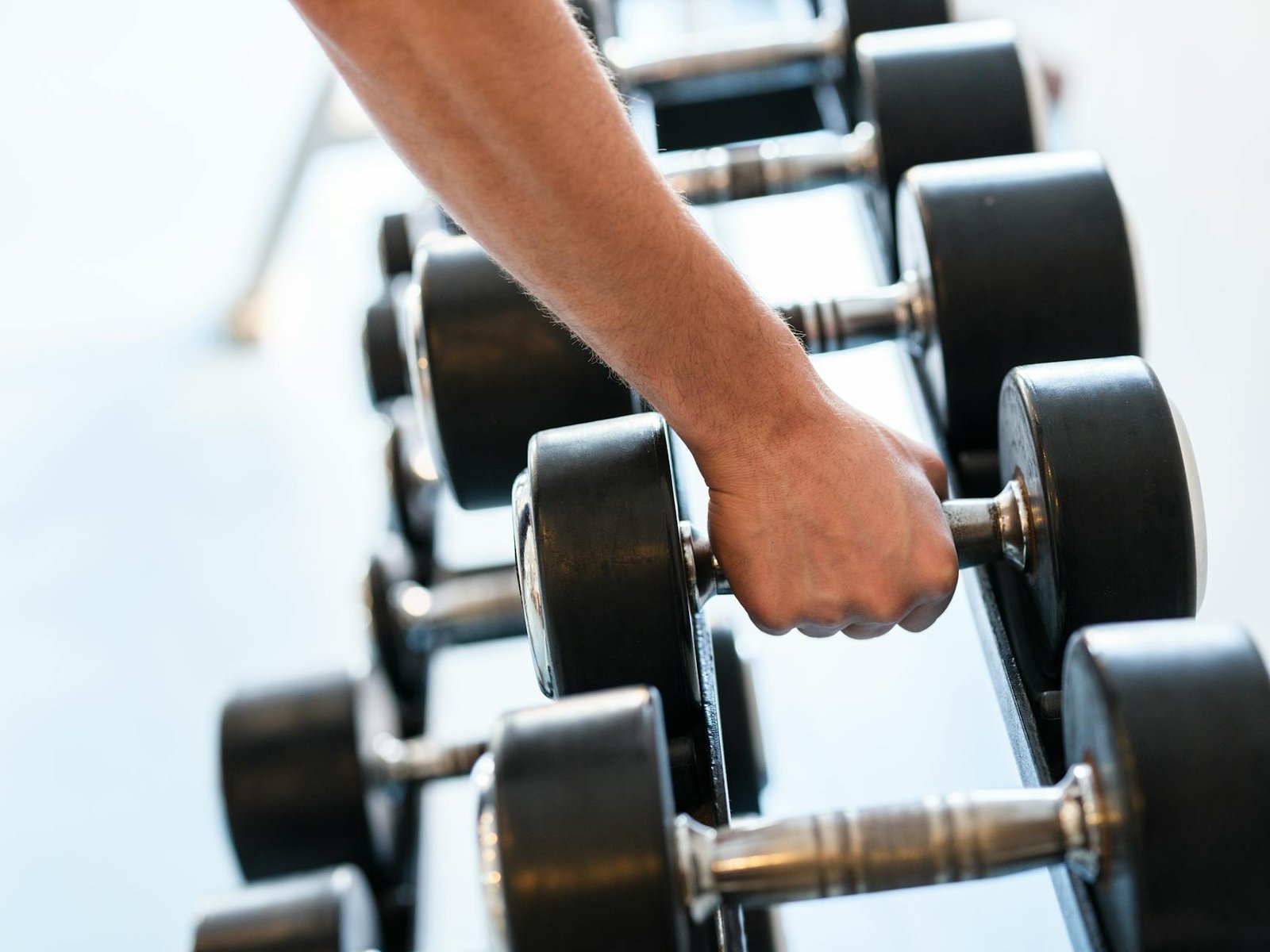
Introduction: Understanding Hand Grip and Its Importance
In the vast landscape of fitness and wellness, certain fundamental aspects often go unnoticed, despite their immense impact on our daily lives and athletic performance. One such crucial element is hand grip. Far more than just the ability to hold objects, hand grip refers to the strength and endurance of the muscles in your hands and forearms, enabling you to grasp, hold, and manipulate items with varying degrees of force and precision. For many in India, whether you’re a cricket enthusiast, a dedicated gym-goer, or simply someone navigating the demands of everyday life, understanding and improving your hand grip can unlock a surprising array of benefits.
Think about your day-to-day activities: opening a stubborn jar of pickles, carrying heavy grocery bags from a local kirana store or a supermarket like D-Mart, or even holding your phone for extended periods. All these actions rely heavily on your hand grip. In the gym, a strong grip is the silent hero behind successful deadlifts, pull-ups, and even maintaining control during a challenging kettlebell swing. Yet, it’s frequently overlooked in favour of larger muscle groups, leaving many individuals with a significant strength imbalance that can hinder progress and even lead to injury.
This comprehensive guide aims to shed light on the multifaceted world of hand grip. We will explore what it truly is, delve into the science of how it works, and highlight the numerous reasons why a robust hand grip is not just for athletes but for everyone striving for better health and functional independence. From enhancing your performance in sports like badminton and tennis to improving your overall quality of life, the power of your hands is undeniable. GameOnGlow, committed to fostering a culture of holistic wellness across India, believes that foundational strengths like hand grip are paramount for sustained well-being and peak performance.
By the end of this article, you will have a clear understanding of why prioritising your hand grip is a smart investment in your physical capabilities. We will also provide practical, beginner-friendly strategies and exercises to help you embark on your journey towards stronger, more resilient hands and forearms. Get ready to uncover the hidden potential within your grasp.
The Science Behind Hand Grip: How It Works
To truly appreciate the significance of hand grip, it is essential to understand the intricate network of muscles, tendons, and nerves that work in harmony to produce the remarkable strength and dexterity we often take for granted. Your hand grip is not a singular action but rather a complex interplay of various anatomical components, primarily originating in your forearms and extending into your hands.
The primary movers for hand grip are a group of muscles located in your forearm. These include the flexor muscles on the anterior (palm-side) aspect of your forearm, which are responsible for curling your fingers and wrist, and the extensor muscles on the posterior (back-of-hand) aspect, which help straighten your fingers and wrist. While the large muscles of the forearm provide the bulk of the power, the smaller, intrinsic muscles within your hand itself play a crucial role in fine motor control, precision, and maintaining a stable grip.
When you decide to grasp something, your brain sends signals through your nervous system to these muscles. This neurological activation determines the force and coordination required for the specific task at hand. The tendons, strong connective tissues, then transmit the force generated by the muscles to the bones of your fingers and thumb, allowing for movement and a secure hold. Understanding this biomechanical process helps us appreciate why specific training is necessary to develop different facets of hand grip strength.
Crushing Grip: The Power Squeeze
The crushing grip is perhaps the most commonly recognised form of grip strength. It involves the ability to squeeze an object forcefully between your fingers and palm, essentially closing your hand around it. This type of grip is activated when you perform actions like shaking hands firmly, gripping a heavy dumbbell or barbell during a lift, or squeezing a tennis racket during a powerful serve. It relies heavily on the flexor muscles of the forearm and the strength of your finger flexors. Developing a strong crushing grip is fundamental for many sports and daily activities that require a powerful, sustained squeeze.
- Everyday Examples: Opening a new bottle of water, gripping a steering wheel, holding a child’s hand securely.
- Sports Examples: Batting in cricket, gripping a badminton racket, rock climbing, performing pull-ups, holding onto resistance bands.
Pinch Grip: Finger and Thumb Strength
The pinch grip, in contrast to the crushing grip, focuses on the strength between your fingers and thumb. It involves holding an object without allowing it to touch your palm, often using just the pads of your fingers and thumb. This type of grip is crucial for tasks requiring precision and the ability to hold thin or flat objects. Think about picking up a coin from a flat surface, holding a plate of food by its rim, or even turning a key in a lock. The pinch grip challenges different muscle groups, particularly the intrinsic muscles of the hand and the adductor pollicis (thumb muscle), highlighting the diverse nature of hand strength.
- Everyday Examples: Picking up small items, carrying grocery bags by the handles, holding a book open, dealing cards.
- Sports Examples: Bouldering and rock climbing (gripping small holds), disc golf, certain martial arts techniques.
Support Grip: Endurance and Sustained Hold
The support grip is all about endurance and the ability to maintain a hold on an object for an extended period. It involves resisting the force of gravity or an external load, preventing an object from slipping out of your grasp. This type of grip is vital for activities such as dead hangs, farmer’s walks (carrying heavy objects in each hand), or simply carrying multiple bags of groceries from the market to your home. While it still involves the forearm flexors, the emphasis here is on the muscles’ ability to sustain contraction over time, rather than just generating maximum force. A strong support grip prevents premature fatigue in many compound lifting exercises. Learn more about The Ultimate Hand Grip Buying Guide: Compare Options & Boost Your Strength in India
- Everyday Examples: Carrying a heavy suitcase, holding onto a bus or metro handle during a bumpy ride, holding a baby, carrying a bucket of water.
- Sports Examples: Deadlifts, rows, pull-ups (especially high repetitions), kettlebell carries, obstacle course racing, grappling sports.
Each of these grip types plays a unique and vital role in our physical capabilities. Understanding their differences allows us to train them specifically and holistically, leading to a more functional and robust hand grip overall. By targeting these various aspects, you can build a truly comprehensive hand strength that serves you well in every facet of life and sport. Learn more about Mastering Your Grip: The Ultimate Guide to Hand Grip Strength and Why It Matters
Why a Strong Hand Grip Matters: Benefits Beyond the Gym
The advantages of cultivating a strong hand grip extend far beyond simply being able to lift heavier weights or perform more repetitions at the gym. A robust grip is a cornerstone of overall physical fitness, functional independence, and even a significant indicator of long-term health. It silently underpins countless actions we perform daily, often without conscious thought, making life easier, safer, and more efficient. Let’s explore the profound benefits of prioritising your hand grip strength. Learn more about The Ultimate Guide to Liquid Chalk for Gym Climbing and Hand Grip in India
Enhanced Athletic Performance
For athletes and fitness enthusiasts across India, a powerful hand grip can be the difference between reaching a new personal best and falling short. It acts as a critical link in the kinetic chain, ensuring that the force generated by larger muscle groups can be effectively transferred to the object being moved or controlled.
- Weightlifting and Powerlifting: Exercises like deadlifts, rows, pull-ups, and even bench presses rely heavily on your ability to grip the bar securely. A weak grip is often the limiting factor that prevents individuals from lifting heavier, even when their back, leg, or chest muscles are capable of more. Improving your grip means you can hold onto the weight longer and with greater control, leading to better form and increased muscle activation in the target areas. For example, imagine trying to deadlift 150 kg; if your hands give out at 100 kg, you’re not truly testing your posterior chain.
- Sports Specific Advantages:
- Cricket: A strong grip is essential for batsmen to control the bat, generate power in their shots, and prevent it from slipping. Bowlers benefit from better grip for seam and swing control, while fielders need it for secure catches.
- Badminton & Tennis: Racket control, powerful serves, and precise shots are all enhanced by a firm grip. It allows players to manipulate the racket with greater finesse and stability, especially during fast-paced rallies.
- Gymnastics & Calisthenics: Holding onto rings, bars, and performing complex bodyweight movements like muscle-ups or front levers demand extraordinary grip endurance and strength.
- Martial Arts & Grappling: In sports like Judo, Wrestling, or MMA, gripping an opponent’s gi or body part is fundamental for control, throws, and submissions.
- Golf: A consistent and firm grip on the club allows for better swing mechanics and power transfer, directly impacting shot accuracy and distance.
- Injury Prevention: A strong grip contributes to overall joint stability in the wrist and elbow, making these areas less susceptible to strains and sprains during strenuous activities. It also allows for better control of equipment, reducing the risk of accidents.
Improved Daily Life and Functional Independence
Beyond the realm of sports, a strong hand grip significantly enhances your ability to navigate the practicalities of everyday living. It is a cornerstone of functional fitness, enabling you to perform routine tasks with ease and confidence, contributing to a higher quality of life.
- Household Chores and Errands: From opening stubborn jars of jam or pickle to carrying multiple grocery bags after a shopping trip to Big Bazaar or Reliance Fresh, your grip is constantly at work. Imagine the convenience of effortlessly carrying a heavy bucket of water, a common task in many Indian households, without straining your hands or forearms.
- Work-Related Tasks: Many professions, particularly those involving manual labour, construction, carpentry, or even gardening, require consistent and reliable grip strength. Even office workers can benefit from reduced fatigue when typing or handling documents for extended periods.
- Safety and Security: A firm grip can prevent accidental drops of valuable items like your mobile phone or a delicate teacup. It also provides a sense of security when holding onto railings on public transport or navigating uneven terrain.
- Enhanced Dexterity and Fine Motor Skills: While grip strength is about power, improving the overall strength of your hand muscles can also lead to better dexterity and control over fine motor movements, making tasks like buttoning a shirt, writing, or using intricate tools easier.
A Key Indicator of Overall Health and Longevity
Perhaps one of the most surprising and compelling benefits of a strong hand grip is its emerging role as a powerful predictor of overall health and longevity. Numerous scientific studies have established a strong correlation between grip strength and various health markers, making it a simple yet effective tool for assessing an individual’s general well-being.
- Cardiovascular Health: Research indicates that individuals with stronger grip strength tend to have a lower risk of cardiovascular diseases, including heart attacks and strokes. It’s considered a reliable proxy for overall muscle strength, which is vital for heart health.
- Bone Density: A strong grip is often associated with higher bone mineral density, particularly in older adults. This suggests a protective effect against conditions like osteoporosis, which is a growing concern in India, especially among women.
- Cognitive Function: Studies have linked better grip strength to superior cognitive function, including memory, attention, and processing speed. While the exact mechanisms are still being explored, it highlights the interconnectedness of physical and mental health.
- Reduced Mortality Risk: Perhaps the most significant finding is the strong inverse relationship between grip strength and all-cause mortality. In simpler terms, people with stronger grips tend to live longer and healthier lives. It’s often seen as a general indicator of biological aging and overall vitality.
- Improved Functional Independence in Old Age: As we age, maintaining functional independence becomes paramount. A strong grip allows older adults to continue performing daily tasks without assistance, such as opening containers, holding walking aids, or getting up from a chair, thereby enhancing their quality of life and preserving dignity.
Considering these profound benefits, it becomes clear that hand grip training is not merely an accessory to your fitness routine but a fundamental component of a holistic approach to health and wellness. Investing a little time in strengthening your grip can yield significant dividends across all aspects of your life, making every task easier and contributing to a longer, healthier future.
Practical Strategies to Improve Your Hand Grip
Now that we understand the immense importance of hand grip, the next logical step is to explore how to effectively improve it. Developing stronger hands and forearms doesn’t require complex equipment or hours of dedicated training. With a strategic approach and consistent effort, anyone can significantly enhance their grip strength. Here, we’ll outline practical exercises, integration tips, and useful tools to help you on your journey.
Effective Exercises for All Grip Types
To build a well-rounded grip, it’s crucial to target all three primary types: crushing, pinch, and support. Incorporating a variety of exercises ensures comprehensive development of the muscles involved.
For Crushing Grip:
- Grip Strengtheners: These are perhaps the most accessible and popular tools. Available in various resistance levels, a good quality grip strengthener, such as those offered by GameOnGlow, allows you to squeeze and release, directly targeting your crushing power. Start with a resistance level you can comfortably perform 10-15 repetitions with, and gradually increase.
- Towel Pull-Ups/Rows: Instead of gripping a bar directly, drape a towel over it and grip the ends of the towel. This makes the exercise much harder on your grip, as you have to squeeze the fabric. Perform pull-ups or inverted rows using this method.
- Plate Squeezes: Hold two or more weight plates together with your fingers and thumb, squeezing them against each other. Walk around with them or simply hold them for time. This is excellent for developing a powerful squeeze.
- Stress Ball Squeezes: A simple stress ball or tennis ball can be squeezed repeatedly throughout the day to improve crushing endurance and strength, especially beneficial for recovery or warm-ups.
For Pinch Grip:
- Plate Pinches: Stand two weight plates together, smooth sides facing out. Pinch the top edges of the plates with your fingers and thumb, holding them for as long as possible. Start with lighter plates (e.g., 2.5 kg or 5 kg) and gradually increase the weight or holding time.
- Dumbbell Pinch Holds: Hold a dumbbell by one end, gripping the head of the dumbbell between your fingers and thumb. This is particularly challenging and effective for isolating pinch strength.
- Finger Tip Push-Ups (Modified): If traditional finger-tip push-ups are too difficult, start by doing them against a wall or on your knees. This strengthens the intrinsic muscles of your hands and fingers.
For Support Grip:
- Dead Hangs: Simply hang from a pull-up bar for as long as you can. This is a fantastic exercise for grip endurance and also helps decompress your spine. Gradually increase your hanging time.
- Farmer’s Walks: Grab the heaviest dumbbells, kettlebells, or even buckets filled with sand/water you can safely hold, one in each hand. Walk for a set distance or time, maintaining an upright posture. This exercise targets your entire body, but especially your support grip and core.
- Heavy Carries: Similar to farmer’s walks, but you can vary the objects. Carrying sandbags, heavy shopping bags, or even a child can be excellent functional grip training.
- Rack Pulls (with straps initially, then without): While straps can help you lift heavier, gradually reducing reliance on them for rack pulls (a partial deadlift) forces your grip to adapt to heavier loads, building tremendous support strength.
Integrating Grip Training into Your Routine
Consistency is key when it comes to improving any aspect of your fitness, and hand grip is no exception. Here’s how you can effectively integrate grip training into your existing fitness regimen without feeling overwhelmed:
- Warm-Up Component: Begin your workouts with 5-10 minutes of light grip exercises. This could include a few sets with a grip strengthener, some light plate pinches, or a short dead hang. This prepares your hands and forearms for the workout ahead.
- Dedicated Sessions: If grip is a major weakness, consider having one dedicated grip training session per week, similar to how you might train other muscle groups. During this session, focus on a variety of crushing, pinch, and support exercises.
- Integrate into Existing Workouts:
- For pulling days (back/biceps): After your main lifts, add 2-3 sets of dead hangs or farmer’s walks. You can also incorporate towel pull-ups or fat grips (thicker handle attachments) to make your regular pulling exercises more challenging for your grip.
- For full-body or other days: Utilise exercises like plate pinches or grip strengtheners as “finishers” at the end of your workout, or even as active recovery between sets of non-grip-intensive exercises.
- Progressive Overload: Just like any other muscle group, your grip muscles need to be progressively challenged to grow stronger. This means gradually increasing the resistance (heavier weights, higher resistance grip strengthener), the duration (longer holds), or the repetitions over time.
- Rest and Recovery: While your forearms are resilient, they still need time to recover. Avoid overtraining, especially when starting out. 2-3 grip training sessions per week, with adequate rest in between, are usually sufficient for beginners.
Tools and Equipment for Grip Enhancement
Investing in a few simple, affordable tools can significantly boost your grip training efforts. GameOnGlow offers a range of high-quality grip enhancement products designed for the Indian fitness enthusiast.
- Grip Strengtheners: As mentioned, these are excellent for crushing grip. Look for adjustable resistance models for versatility, allowing you to progress as you get stronger. GameOnGlow’s grip strengtheners are built for durability and comfort, providing an effective way to train your hands anywhere. They typically range from ₹300 to ₹1000, making them an accessible investment.
- Fat Grips: These are thick rubber sleeves that you can attach to barbells, dumbbells, or pull-up bars. They increase the diameter of the bar, forcing your hands to work harder to grip it, which dramatically improves both crushing and support grip.
- Chalk: Gym chalk (magnesium carbonate) helps absorb sweat and provides a drier, more secure grip, especially useful for heavy lifts or intense gymnastics where slippage is a concern.
- Towels: A simple hand towel can be folded, rolled, or draped over a bar to create an improvised fat grip or for towel pull-ups, offering a cost-effective way to add challenge.
- Hand Grippers (Advanced): For those looking for serious grip strength, heavy-duty hand grippers (e.g., Captains of Crush) offer extreme resistance levels. These are typically for more advanced users.
Remember, the best equipment is the one you actually use consistently. Start with what’s accessible and gradually expand your toolkit as your grip strength improves and your training needs evolve. With dedication and the right tools, you’ll be well on your way to a powerful and functional hand grip.
Common Misconceptions and Tips for Success
As with any aspect of fitness, there are often misconceptions surrounding hand grip training that can hinder progress or lead to an incomplete understanding of its importance. Addressing these and providing some practical tips will help you make the most of your grip strengthening journey.
Misconception 1: Hand Grip Training is Only for Bodybuilders or Powerlifters.
Reality: While athletes in strength sports certainly benefit from a strong grip, its utility extends to virtually everyone. As discussed, from opening jars and carrying groceries to playing various sports and maintaining functional independence in old age, a strong grip improves quality of life for all. It’s a fundamental human movement pattern, not a niche training goal.
Misconception 2: Lifting Heavy Weights is Enough to Develop a Strong Grip.
Reality: While heavy compound lifts like deadlifts and rows certainly engage your grip, they often don’t provide the specific stimulus needed for optimal grip development across all types. Many individuals find their grip gives out before their larger muscles do, limiting their progress on these lifts. Dedicated grip training, targeting crushing, pinch, and support grips specifically, ensures comprehensive strength development and can actually help you lift heavier in your main lifts by removing grip as a limiting factor. Furthermore, relying solely on heavy lifting might not address the endurance aspect of grip strength.
Misconception 3: You Should Always Use Lifting Straps for Heavy Lifts.
Reality: Lifting straps can be valuable tools for allowing you to lift maximal weight when your grip would otherwise fail, especially for exercises like deadlifts or heavy rows. However, over-reliance on straps can prevent your grip from ever catching up to your body’s other strengths. Use straps strategically – perhaps for your heaviest sets or when training specifically for muscle hypertrophy in your back, but also dedicate time to lifting without them to build natural grip strength. For GameOnGlow users, consider using straps only when absolutely necessary, allowing your hands to do the work most of the time.
Tips for Success in Your Grip Training:
- Listen to Your Body: Your hands and forearms are complex structures. Pay attention to any pain or discomfort. While muscle soreness (DOMS) is normal, sharp pain indicates you might be overdoing it or using improper form. Rest and recovery are just as important as the training itself.
- Consistency Over Intensity (Especially Initially): It’s better to perform short, consistent grip workouts several times a week than one intense session that leaves your hands fatigued for days. Small, regular efforts accumulate into significant gains over time.
- Vary Your Training: Don’t stick to just one exercise. Incorporate a mix of crushing, pinch, and support grip movements to ensure balanced development and prevent plateaus. This also keeps your workouts interesting.
- Don’t Neglect Forearm Extensors: While grip training primarily focuses on the flexor muscles, it’s important to also train the extensors (muscles on the back of your forearm) to maintain balance and prevent imbalances that could lead to conditions like “golfer’s elbow” or “tennis elbow.” Simple wrist extensions with light dumbbells or resistance bands can help.
- Stay Hydrated and Nourished: Proper nutrition and hydration are crucial for muscle recovery and performance across all muscle groups, including your grip muscles. Ensure you’re consuming enough protein and calories to support muscle growth and repair.
- Make it Fun and Functional: Incorporate grip challenges into your daily life. Can you carry all the groceries in one trip? Can you open that stubborn bottle without assistance? These small victories reinforce your progress and keep you motivated.
- Track Your Progress: Keep a log of your grip training. Note down the resistance level on your grip strengthener, the weight you pinched, or how long you could dead hang. Seeing tangible improvements is a powerful motivator.
By debunking common myths and following these practical tips, you can approach hand grip training with a clear understanding and a strategy for long-term success. Embrace the journey, and you’ll soon discover the profound strength that lies within your grasp.
FAQs About Hand Grip
Question 1: How often should I train my hand grip for best results?
For beginners, training your hand grip 2-3 times per week on non-consecutive days is generally recommended. This allows adequate time for muscle recovery and growth. As your grip strength improves, you might increase the frequency to 3-4 times a week, or integrate it more heavily into your existing workouts. Remember that the forearm muscles are relatively small and can recover quicker than larger muscle groups, but consistency and progressive overload are still key. Listen to your body and adjust accordingly to avoid overtraining.
Question 2: Can a weak hand grip indicate underlying health issues?
Yes, a significantly weak hand grip can sometimes be an indicator of underlying health issues. As discussed earlier, numerous studies have linked grip strength to overall health markers, including cardiovascular health, bone density, and even cognitive function. A sudden or unexplained decrease in grip strength could potentially be a sign of conditions like sarcopenia (age-related muscle loss), nerve damage, arthritis, or other systemic diseases. If you notice a persistent and concerning weakness in your grip, it’s always advisable to consult a healthcare professional for a proper diagnosis and guidance.
Question 3: Are grip strengtheners truly effective, and which type is best for beginners in India?
Absolutely, grip strengtheners are highly effective tools for improving crushing grip strength and endurance. They provide a direct and measurable way to train the forearm flexors and hand muscles. For beginners in India, an adjustable resistance grip strengthener is often the best choice. These models allow you to easily change the tension, meaning you can start with a lower resistance and gradually increase it as you get stronger, ensuring continuous progress. GameOnGlow offers a range of durable and ergonomically designed adjustable grip strengtheners, perfect for those just starting their grip training journey. They are generally affordable, ranging from ₹300-₹1000, making them an excellent initial investment.
Question 4: What’s the difference between forearm exercises and hand grip exercises?
While often used interchangeably, there’s a subtle but important distinction. Forearm exercises generally refer to movements that target the larger muscles of the forearm, such as wrist curls (for flexors) and wrist extensions (for extensors), which involve movement at the wrist joint. Hand grip exercises specifically focus on the muscles that control the fingers and thumb, involving the act of grasping, squeezing, or pinching. Many grip exercises naturally engage the forearm muscles as well, as they are the prime movers for finger flexion. However, dedicated grip training often uses tools like grip
One response to “The Ultimate Guide to Hand Grip for Indian Fitness Enthusiasts”
[…] These are perhaps the most popular and versatile hand grips available. Adjustable grippers typically feature a spring mechanism with a dial or lever that allows you to change the resistance level. They are often made from durable materials like steel, aluminum, or reinforced plastic. Learn more about The Ultimate Guide to Hand Grip for Indian Fitness Enthusiasts […]