
Introduction: Understanding Liquid Chalk for Climbing
For enthusiasts of rock climbing and bouldering, a strong, reliable grip is paramount. Whether you’re navigating challenging routes in an indoor gym or tackling outdoor boulders, the ability to maintain friction and prevent sweaty hands can make all the difference between success and a frustrating slip. This is where the innovation of liquid chalk gym climbing hand solutions comes into play, offering a modern alternative to traditional powdered chalk.
In India, the popularity of climbing gyms is steadily growing, from bustling metros like Delhi and Mumbai to adventure hubs in Bengaluru and Pune. As more Indians discover the thrill and physical benefits of this sport, understanding the tools that enhance performance becomes crucial. Liquid chalk, a relatively newer product compared to its powdered counterpart, is gaining traction for its unique advantages.
But what exactly is liquid chalk, and how does it differ from the familiar white powder? Essentially, it’s a blend of magnesium carbonate (the active drying agent in all chalks) mixed with an alcohol-based solution. When applied to the hands, the alcohol quickly evaporates, leaving behind a fine, even layer of magnesium carbonate. This process ensures superior coverage and adherence, offering climbers a consistent and long-lasting dry grip.
This comprehensive guide from GameOnGlow aims to demystify liquid chalk for the Indian climbing community. We’ll explore its benefits, how it works, and why it might be the perfect addition to your climbing kit, helping you reach new heights with confidence and control. From beginners taking their first steps on the wall to seasoned climbers looking for an edge, understanding liquid chalk is an essential step towards elevating your climbing journey.
Why Liquid Chalk Matters for Indian Climbers
The Indian climate, often humid in many regions, presents unique challenges for climbers. Sweaty palms are a constant battle, making a secure grip difficult to maintain. Traditional chalk has long been the go-to solution, but liquid chalk offers distinct advantages that are particularly relevant in our local context. It’s not just about keeping hands dry; it’s about optimizing performance, hygiene, and convenience.
Climbing gyms in India, much like anywhere else, strive for a clean and dust-free environment. Traditional loose chalk, while effective, can create significant airborne dust, which can be an irritant for both climbers and gym staff. Liquid chalk significantly reduces this issue, contributing to a healthier and more pleasant climbing space for everyone. This makes it an increasingly preferred option in modern facilities.
Traditional Chalk vs. Liquid Chalk: A Comparison
To truly appreciate liquid chalk, it’s helpful to understand how it stacks up against traditional powdered chalk. Both serve the primary purpose of absorbing moisture and increasing friction, but their methods and side effects differ significantly.
- Application and Adherence: Traditional chalk is applied by dipping hands into a chalk bag, often resulting in an uneven coating and substantial dust. Liquid chalk, on the other hand, provides a more uniform and long-lasting layer that adheres better to the skin, thanks to its alcohol base. This means fewer re-applications during a climb.
- Dust and Mess: This is perhaps the most noticeable difference. Powdered chalk creates a visible cloud of dust, coating everything from the mats to the holds and even the air. Liquid chalk, once dried, leaves minimal residue and virtually no airborne particles, making it ideal for indoor gyms and for climbers concerned about respiratory health or cleanliness.
- Drying Power: While both are effective, many climbers find that liquid chalk offers a superior and more sustained drying effect. The alcohol in liquid chalk acts as an initial powerful drying agent, which then leaves behind a finely distributed layer of magnesium carbonate that continues to absorb sweat over time.
- Hygiene: Sharing a chalk bag can be a breeding ground for germs. With liquid chalk, each climber has their own personal bottle, reducing the transmission of bacteria and viruses, a particularly important consideration in today’s health-conscious world.
Addressing Common Climbing Challenges in India
Indian climbers face specific challenges that liquid chalk is uniquely positioned to address:
- Humidity Control: Many parts of India experience high humidity, making hands sweat more profusely. Liquid chalk’s strong initial drying action and sustained sweat absorption are highly beneficial in these conditions, providing a grip that lasts longer.
- Gym Etiquette and Cleanliness: As climbing gyms become more prevalent, maintaining a clean environment is crucial for their long-term sustainability and appeal. Liquid chalk helps gyms enforce “no chalk dust” policies without compromising climber performance, ensuring a better experience for all members and visitors.
- Performance Consistency: For competitive climbers or those aiming for specific grades, consistent grip is non-negotiable. Liquid chalk minimises the need for mid-climb re-choking, allowing climbers to focus on their technique and movement rather than constantly worrying about their hands. This can lead to more successful attempts and improved climbing efficiency.
Investing in quality liquid chalk, such as options available from GameOnGlow, can significantly enhance your climbing experience by providing a superior grip, promoting better hygiene, and contributing to a cleaner climbing environment.
How Liquid Chalk Works: The Science Behind the Grip
Understanding the mechanism behind liquid chalk’s effectiveness can help climbers appreciate its value and use it optimally. It’s not just a simple matter of applying a liquid; there’s a clever chemical process at play that delivers that sought-after dry, grippy sensation.
At its core, liquid chalk combines two main ingredients: magnesium carbonate (MgCO₃) and an alcohol-based solvent, typically ethanol or isopropanol. The magic happens when these two components interact with your skin and the surrounding air.
Evaporation and Residue: The Drying Process
When you squeeze a small amount of liquid chalk onto your palm and rub your hands together, the alcohol immediately begins its work. Alcohol is highly volatile, meaning it evaporates very quickly at room temperature. This rapid evaporation serves a dual purpose:
- Instant Drying: As the alcohol evaporates, it carries away moisture from your skin. This initial drying effect is potent, quickly reducing sweat and humidity on your hands, creating a dry canvas for the magnesium carbonate.
- Even Distribution: The liquid nature of the chalk allows the magnesium carbonate particles to be spread incredibly thinly and evenly across the entire surface of your hands, including the intricate lines and crevices of your skin. This ensures comprehensive coverage that is difficult to achieve with powdered chalk.
Once the alcohol has completely evaporated, what’s left behind is a very fine, uniform layer of pure magnesium carbonate. This microscopic film adheres tightly to your skin, providing the ideal surface for enhanced friction. The quick-drying nature means you don’t have to wait long before you can grab your first hold, making it efficient for gym sessions where time is precious. Learn more about The Ultimate Guide to GameOnGlow Liquid Chalk Gym for Indian Fitness Enthusiasts
Enhanced Friction and Sweat Absorption
The magnesium carbonate itself is a highly effective desiccant, meaning it readily absorbs moisture. When applied to the skin, it creates a microscopic texture that interacts with the surface of climbing holds, increasing the coefficient of friction. This enhanced friction is what allows you to grip holds more securely, preventing slips and falls. Learn more about The Ultimate Guide to GameOnGlow Liquid Chalk Gym for Indian Athletes
Beyond the initial drying from the alcohol, the magnesium carbonate continues to absorb any sweat that your hands produce during your climb. This sustained absorption is key to maintaining a consistent grip throughout your session. Unlike powdered chalk, which can rub off relatively easily, the fine, adherent layer of liquid chalk tends to stay on longer, offering prolonged dryness and grip without needing constant re-application. This translates to fewer interruptions and more focused climbing. Learn more about The Ultimate Guide to GameOnGlow Liquid Chalk Gym in India
The science is simple yet effective: alcohol for immediate, thorough drying and even application, followed by magnesium carbonate for sustained moisture absorption and superior friction. This combination makes liquid chalk a powerful tool for any serious climber.
Benefits of Using Liquid Chalk in Your Gym Climbing
The advantages of incorporating liquid chalk into your climbing routine extend beyond just having dry hands. For climbers in India, these benefits can significantly impact performance, hygiene, and overall enjoyment of the sport. Let’s explore some of the key reasons why liquid chalk is becoming a staple in many climbers’ bags.
Improved Performance and Confidence
A secure grip is the foundation of effective climbing. With liquid chalk, climbers experience a noticeable improvement in their ability to hold onto challenging routes and boulders. The sustained dryness and enhanced friction mean less slipping, allowing you to focus on technique, body positioning, and movement rather than constantly battling with sweaty palms.
- Stronger Holds: The consistent, even layer of chalk provides maximum contact with the holds, translating to a more reliable grip, especially on crimps and slopers.
- Reduced Fatigue: When you’re not constantly fighting a slipping grip, your forearms expend less energy, helping to delay the onset of pump and allowing you to climb longer and harder.
- Mental Edge: Knowing your grip is secure instills confidence. This psychological boost can be crucial when attempting a difficult send, helping you commit to moves you might otherwise hesitate on.
- Fewer Re-applications: Liquid chalk typically lasts longer than powdered chalk, meaning fewer interruptions during a climb to re-chalk. This allows for a more fluid and focused climbing experience.
Hygiene and Gym Etiquette
In shared climbing environments, hygiene is a significant concern. Liquid chalk offers substantial advantages in this regard, making it a more considerate choice for communal spaces.
- Reduced Dust: Traditional chalk creates airborne dust that can irritate respiratory systems and leave a mess on the floor, holds, and equipment. Liquid chalk dramatically reduces dust, contributing to cleaner air and a tidier gym. This is particularly appreciated by gym owners and other users.
- Germ Prevention: Unlike communal chalk bags, which can harbor and spread germs, liquid chalk is applied directly from a personal bottle. This reduces the risk of transmitting bacteria and viruses between climbers, a critical benefit in any public setting.
- Cleaner Holds: Less chalk dust in the air means less build-up on the holds themselves. This not only keeps the holds cleaner but also ensures their texture remains consistent, providing a better climbing experience for everyone.
Cost-Effectiveness and Longevity
While the initial cost of a bottle of liquid chalk might seem slightly higher than a block of traditional chalk (a 100ml bottle might range from ₹300-₹800 depending on brand and quality), its efficiency often makes it more cost-effective in the long run.
A small amount of liquid chalk provides superior and longer-lasting coverage. This means you use less product per session and re-apply less frequently, making a single bottle last for many climbing sessions. For instance, a 100ml bottle could easily last a regular climber several months, offering excellent value for money. This longevity also means less frequent purchases, which is convenient.
In summary, liquid chalk is not just a trend; it’s a practical, performance-enhancing, and hygienic solution that aligns perfectly with the needs of modern Indian climbers and climbing gyms. It’s an investment in better performance, a healthier environment, and a more enjoyable climbing journey.
Choosing and Applying Your Liquid Chalk
With the growing popularity of climbing, the market for liquid chalk has expanded, offering various brands and formulations. Choosing the right one and applying it correctly are crucial steps to maximise its benefits. GameOnGlow is committed to helping you make informed decisions for your climbing needs.
Ingredients and Formulation
When selecting a liquid chalk, pay attention to its ingredients. The primary components will always be magnesium carbonate and an alcohol base, but some brands include additional ingredients that can enhance performance or skin health:
- Alcohol Type: Most use ethanol or isopropanol. Both are effective, but some individuals might find one less irritating than the other.
- Drying Agents: While magnesium carbonate is standard, some formulations might include other drying agents for added efficacy.
- Skin Conditioners: A few brands incorporate ingredients like rosin or essential oils. Rosin (colophony) can increase stickiness but might leave residue and isn’t permitted in all gyms. Ingredients like aloe vera or moisturizers can help counteract the drying effect of alcohol, keeping your hands healthier, especially with frequent use.
- Consistency: Liquid chalk can vary in consistency, from very runny to a thicker gel. Experiment to find what you prefer. Thicker chalks might offer more immediate coverage, while runnier ones spread more easily.
Always check the product label for a full list of ingredients, especially if you have sensitive skin or allergies. Reputable brands will be transparent about their formulations.
Packaging and Portability
Liquid chalk typically comes in small, squeezable bottles, ranging from 50ml to 250ml. Consider the following:
- Size: Smaller bottles (e.g., 50ml or 100ml) are ideal for carrying in your chalk bag or backpack, offering excellent portability for both gym and outdoor sessions. Larger bottles (e.g., 200ml or 250ml) might be more cost-effective for home use or for refilling smaller bottles.
- Cap Design: Look for secure, leak-proof caps. A flip-top or screw-top cap that seals tightly is essential to prevent spills in your bag.
- Durability: A sturdy plastic bottle that can withstand being tossed around in a gym bag is always a plus.
For Indian climbers on the go, a compact and reliable bottle is key, ensuring you always have your grip enhancer ready.
Proper Application Techniques
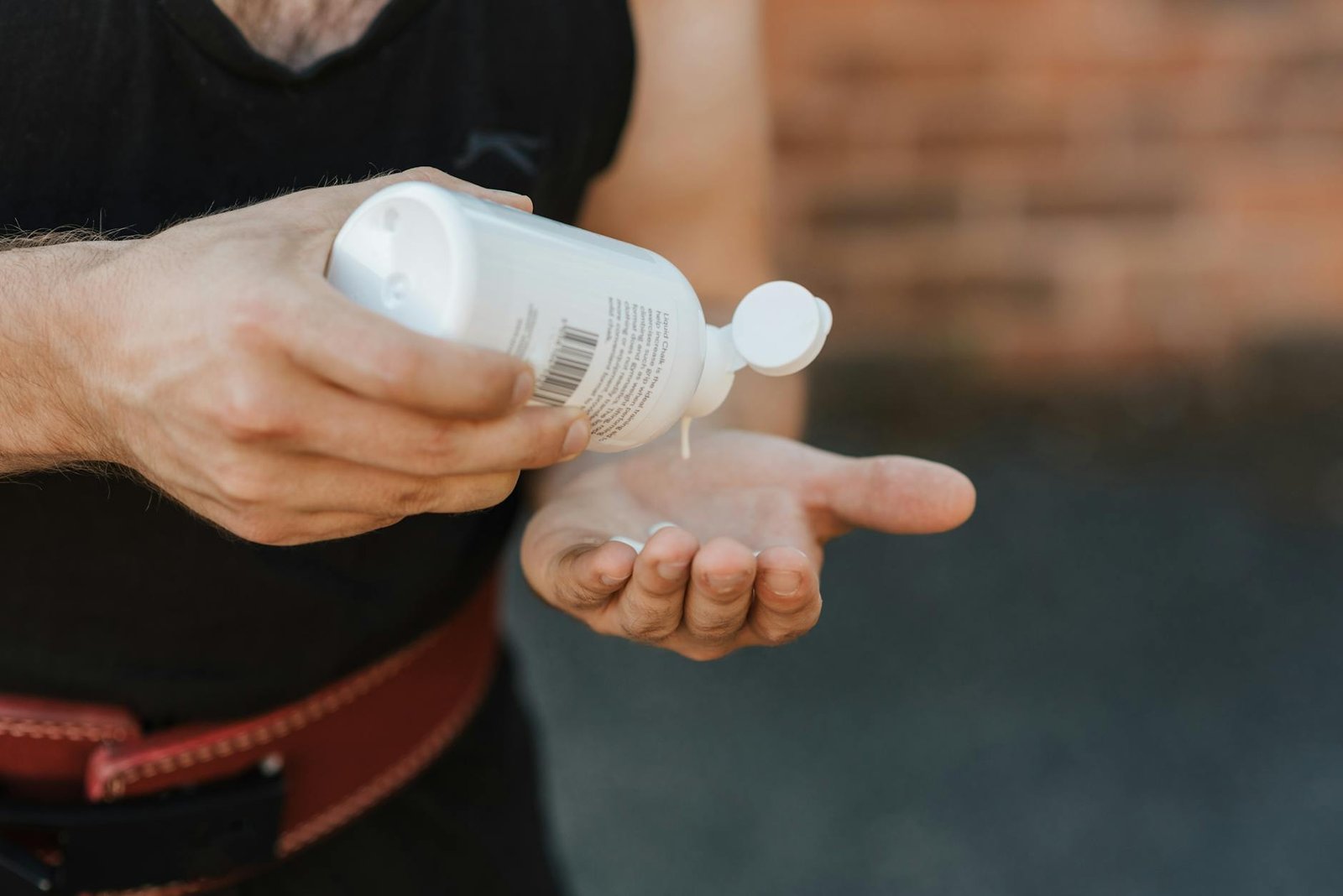
Applying liquid chalk correctly ensures maximum effectiveness and longevity. It’s a simple process:
- Dispense a Small Amount: Squeeze a pea-sized to a coin-sized amount (depending on bottle size and your hand size) into the palm of one hand. Remember, a little goes a long way.
- Spread Evenly: Rub your hands together thoroughly, ensuring the liquid chalk covers all surfaces – palms, fingers, and between the fingers.
- Allow to Dry: Hold your hands open and allow the alcohol to evaporate completely. This usually takes 15-30 seconds. You’ll feel a cooling sensation as it dries, leaving a white, powdery film. Do not touch the holds until your hands are completely dry.
- Re-apply as Needed: While liquid chalk lasts longer, you might need to re-apply during long sessions or particularly strenuous climbs. You can also lightly dust with traditional chalk over the liquid chalk base for extra grip if needed, though most find liquid chalk sufficient on its own.
Experiment with the amount you use to find what works best for your hands and the conditions you are climbing in. Over-application can sometimes lead to a “caked” feeling, which isn’t ideal for grip.
FAQs About Liquid Chalk for Gym Climbing
As liquid chalk gains popularity, many climbers, especially beginners, have questions about its use and effectiveness. Here are some frequently asked questions to help clarify common concerns about liquid chalk gym climbing hand products.
Is liquid chalk better than powdered chalk for gym climbing?
The “better” chalk largely depends on individual preference and the specific climbing environment. However, liquid chalk offers several distinct advantages, especially for gym climbing. It significantly reduces airborne dust, making the gym environment cleaner and healthier for everyone. It often provides a more consistent, longer-lasting, and powerful grip due to its even application and sustained drying properties. For climbers who sweat a lot, or in humid Indian conditions, liquid chalk can be particularly effective. Many gyms in India are also starting to prefer or even mandate liquid chalk to maintain cleanliness. While powdered chalk remains popular for its tactile feel and immediate access, liquid chalk excels in hygiene and sustained performance.
How long does liquid chalk last on your hands?
The longevity of liquid chalk on your hands can vary based on several factors: the specific brand and formulation, how much you sweat, the intensity of your climbing, and the texture of the holds you are gripping. Generally, liquid chalk is designed to last significantly longer than a single application of powdered chalk. Many climbers find that a single application can last for several climbs or even an entire bouldering problem or route. For a typical session, you might only need to re-apply every 20-40 minutes, or even less frequently, depending on your personal needs. This extended duration reduces the need for constant re-choking, allowing for a more focused climbing experience.
Can liquid chalk damage my skin or cause dryness?
Liquid chalk contains alcohol, which is a drying agent. While this is essential for its function in absorbing sweat, frequent and prolonged use can potentially lead to some skin dryness or irritation for sensitive individuals. To mitigate this, consider the following:
- Moisturize: After your climbing session, wash your hands thoroughly and apply a good quality hand moisturizer. Brands like GameOnGlow often recommend proper post-climb hand care.
- Choose a Formulations: Some liquid chalks include skin-conditioning agents to help counteract dryness.
- Patch Test: If you have very sensitive skin, do a small patch test on your arm before applying it all over your hands.
- Avoid Over-application: Use only the necessary amount. Excessive application won’t necessarily improve grip but might increase skin dryness.
For most climbers, any dryness is minor and easily managed with proper hand care.
Is liquid chalk allowed in all climbing gyms in India?
In fact, many climbing gyms in India are actively encouraging or even requiring the use of liquid chalk, especially for bouldering areas. This policy is primarily driven by the desire to maintain a clean, dust-free environment, which improves air quality for climbers and staff, and reduces the mess on mats and holds. While some gyms might still allow traditional chalk in designated areas, or for rope climbing, it’s always best practice to check with your specific gym’s rules and regulations before you go. Adhering to gym policies ensures a good experience for everyone and helps maintain the facilities.
What is the typical price range for liquid chalk in India?
The price of liquid chalk in India can vary significantly depending on the brand, bottle size, and quality of ingredients. A small 50ml bottle might cost anywhere from ₹250 to ₹500, while a larger 100ml or 200ml bottle could range from ₹400 to ₹1000 or more. Premium international brands might be at the higher end of this spectrum, whereas local or newer brands might offer more budget-friendly options. Considering its longevity and performance benefits, many climbers find liquid chalk to be a worthwhile investment, offering good value for money over time compared to the frequent purchase of powdered chalk. GameOnGlow offers various options to suit different budgets and climbing needs.
Conclusion: Final Thoughts on Liquid Chalk for Climbing
As the vibrant climbing scene in India continues to flourish, equipping yourself with the right tools is paramount for both performance and enjoyment. Liquid chalk gym climbing hand solutions have emerged as a game-changer, offering a sophisticated and highly effective alternative to traditional powdered chalk. From its superior drying power and long-lasting grip to its significant contributions to gym hygiene and overall cleanliness, the benefits of liquid chalk are undeniable.
We’ve delved into what liquid chalk is, how its unique alcohol-based formulation works its magic, and the numerous advantages it brings to your climbing sessions. For Indian climbers battling humidity or those simply seeking a more consistent and reliable grip, liquid chalk stands out as an excellent choice. It empowers you to climb with greater confidence, focus on your technique, and push your limits without the constant distraction of sweaty palms or the need for frequent re-applications.
Embracing liquid chalk is not just about enhancing your personal performance; it’s also about contributing to a more pleasant and hygienic environment for the entire climbing community. By reducing chalk dust and minimizing germ transmission, you play a part in fostering sustainable and welcoming climbing spaces across India.
Whether you’re a beginner just starting your climbing journey or an experienced enthusiast looking for an edge, consider making liquid chalk a staple in your climbing kit. Explore the range of high-quality climbing accessories, including effective liquid chalk options, available at GameOnGlow. Elevate your grip, elevate your climb, and experience the difference that a truly reliable hand preparation can make. Happy climbing!